
Table of Contents
- Why High Speed Doors Matter in Warehouses
- Common Warehouse Applications
- Key Benefits for Warehouse Operations
- Best Door Types for Warehouse Use
- How to Choose the Right Warehouse Door
- Final Thoughts
Why High Speed Doors Matter in Warehouses
Warehouses depend on fast, safe, and reliable movement of goods. In many facilities, doors are opened and closed hundreds of times each day as forklifts, pallet jacks, carts, and staff move between storage zones, loading docks, and production areas. A slow or unreliable door can create delays, reduce safety, and increase energy loss.
High speed doors are designed to solve these problems. Compared with conventional industrial doors, they open and close much faster, helping warehouses maintain smooth traffic flow while reducing the amount of time an opening is exposed. This is especially important in modern logistics environments where throughput, cleanliness, and temperature control all affect operating costs and service quality.
Common Warehouse Applications
1. Internal Traffic Separation
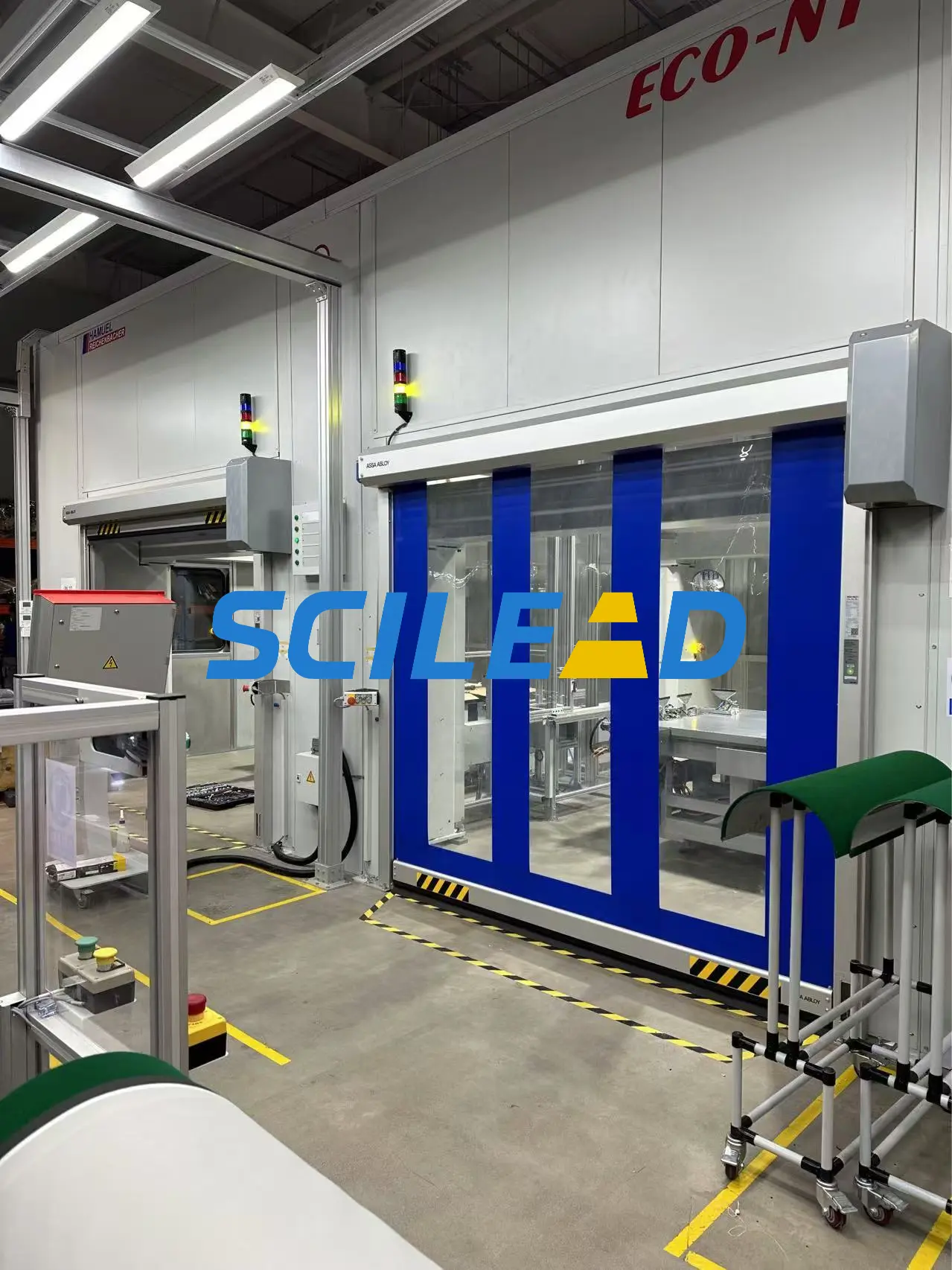
Many warehouses use high speed doors between internal zones. These may separate inbound and outbound areas, picking zones, packaging areas, or different temperature sections. Fast door cycles help reduce congestion and keep material handling traffic moving efficiently.
2. Loading Dock Access
At busy loading docks, doors must handle repeated openings throughout the day. A high speed door can reduce waiting time for forklifts and trucks while also limiting outside air, dust, and moisture from entering the building.
3. Temperature-Controlled Warehousing
In chilled or temperature-sensitive storage areas, the door plays a major role in environmental control. Fast opening speeds and better sealing can help reduce thermal exchange and support more stable indoor conditions.
4. Clean and Controlled Areas
Some warehouses handle food, pharmaceuticals, electronics, or other sensitive products. In these environments, high speed doors can help separate clean zones from general traffic areas and reduce contamination risk by minimizing unnecessary exposure.
5. Automated and High-Throughput Facilities
As warehouses adopt more automation, door performance becomes even more important. Facilities that rely on automated guided vehicles, conveyor systems, and synchronized traffic patterns often need doors that operate quickly and consistently with minimal downtime.
Key Benefits for Warehouse Operations
Faster Workflow
One of the biggest advantages of a high speed warehouse door is improved traffic flow. Faster opening and closing reduces bottlenecks at key passage points and helps operators maintain a more efficient movement pattern across the facility.
Energy Savings
Warehouses often lose energy through frequently opened doorways. A high speed door reduces the amount of time an opening remains exposed, which can help limit air infiltration and reduce heating or cooling loss.
Environmental Separation
Large warehouses often include different environmental zones. Some need warm storage, some need lower temperatures, and some require controlled dust or airflow. A high speed door helps keep these spaces separated more effectively than a slower conventional door.
Improved Safety
Modern high speed doors can include safety sensors, soft bottom edges, photo eyes, and impact detection systems. These features help reduce the risk of collisions and improve safety in facilities with heavy forklift traffic.
Reduced Downtime
In a warehouse, a damaged or unreliable door can interrupt operations quickly. Many high performance door systems are designed for high-cycle use and may include self-repairing or easy-reset features that reduce downtime after minor impacts.
Best Door Types for Warehouse Use
Fabric Roll Up Doors
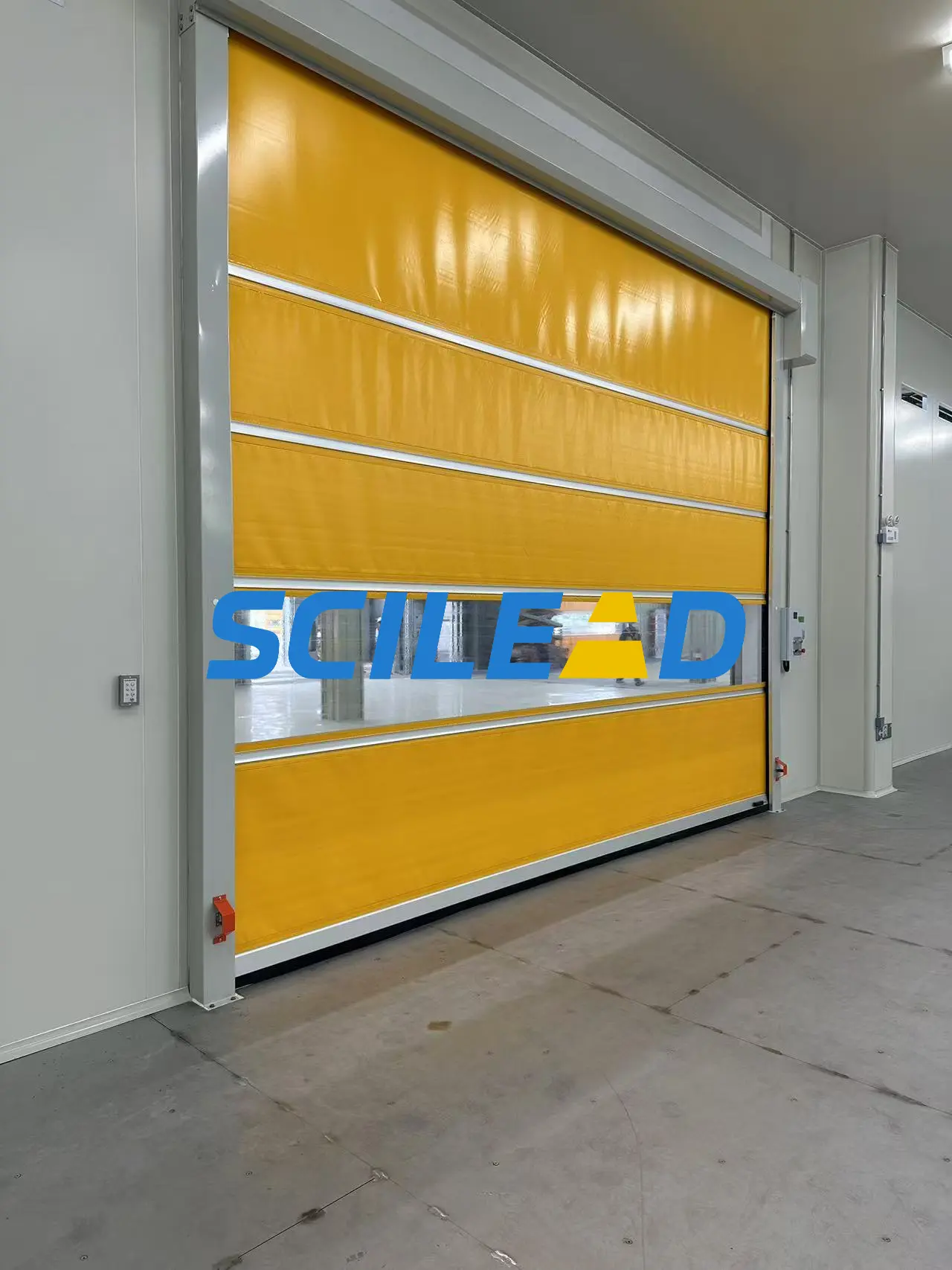
These are commonly used for interior warehouse openings. They are lightweight, fast, and well suited for areas with frequent traffic and lower security requirements.
Rubber Doors
Rubber high speed doors are often selected for heavy-duty warehouse environments where impacts are more likely. They are known for durability and resistance to rough operating conditions.
Rigid Roll Up Doors
Rigid doors are better suited for exterior openings, security-sensitive areas, or locations where insulation and weather resistance are a priority. They typically provide better protection than flexible curtain doors.
Insulated High Speed Doors
For temperature-controlled warehouse zones, insulated doors can help improve energy performance while still offering relatively fast operation.
How to Choose the Right Warehouse Door
Evaluate Traffic Frequency
If the opening is used constantly throughout the day, choose a door designed for high-cycle performance. Fast operation is especially valuable in crossings used by forklifts and material handling equipment.
Consider Interior vs Exterior Use
Interior doors usually focus on speed and efficiency, while exterior doors may require stronger wind resistance, security, and insulation. The location of the opening should guide the door type you choose.
Review Environmental Requirements
If the warehouse includes cold storage, dust control, or hygiene-sensitive areas, select a door with the right sealing performance and material construction for that environment.
Prioritize Safety Features
A warehouse door should support safe movement, not become a hazard. Look for safety sensors, emergency stop functions, and impact recovery features when comparing models.
Think Beyond Purchase Price
The true value of a warehouse door is measured over time. A more durable and efficient door may cost more initially, but it can reduce maintenance, lower energy waste, and improve productivity over its service life.
Final Thoughts
Warehouse operations depend on speed, consistency, and control. High speed doors support all three. They help facilities move goods faster, maintain better environmental separation, reduce energy loss, and improve safety in high-traffic areas.
For many warehouses, the right door is not just an access solution. It is an operational asset that directly affects efficiency and long-term cost performance. Choosing the right high speed door for each application can make the entire facility work more smoothly.