
Table of Contents
- Why Energy Saving Matters in Industrial Buildings
- How Doors Affect Energy Consumption
- Why High Speed Doors Save More Energy
- Key Features That Improve Energy Efficiency
- Best Applications for Energy Saving Doors
- How to Choose an Energy Saving High Speed Door
Why Energy Saving Matters in Industrial Buildings
Energy costs are a major part of operating expenses in warehouses, factories, cold storage rooms, and logistics centers. In facilities with constant vehicle traffic, large openings, and temperature-controlled areas, energy loss can happen quickly if access points are not managed well.
For many industrial buildings, the door is not just an entry point. It is part of the building’s energy control system. Every time a door opens, conditioned air can escape and outside air can enter. Over time, this repeated air exchange increases the load on heating, ventilation, air conditioning, or refrigeration systems.
How Doors Affect Energy Consumption
Traditional industrial doors often stay open too long or operate too slowly for high-traffic environments. This increases uncontrolled airflow between indoor and outdoor areas, or between zones with different temperatures inside the same facility.
The problem becomes even more serious in places such as cold storage, food processing, and clean manufacturing. In these environments, air leakage can lead not only to higher electricity use, but also to temperature instability, condensation, frost, dust transfer, and reduced product protection.
As a result, a poorly matched door can create hidden energy waste every day, especially when forklifts, staff, and goods pass through the opening frequently.
Why High Speed Doors Save More Energy
High speed doors are designed to open and close much faster than conventional doors. Because the opening is exposed for less time, the amount of air exchange is reduced. This helps keep warm air, cooled air, or refrigerated air where it belongs.
In high-traffic facilities, speed often matters more than insulation alone. A door with excellent insulation but slow cycle time may still allow significant energy loss if it remains open too long. A high speed door reduces this exposure by shortening each operating cycle.
This is why high speed doors are widely used in warehouses, loading areas, production zones, and cold rooms where energy efficiency depends on maintaining environmental separation while keeping traffic moving.
Key Features That Improve Energy Efficiency
1. Fast Opening and Closing Speed
Fast cycle speed is one of the most important energy-saving features. A quicker door means less time for heated or cooled air to escape and less time for outside air, dust, humidity, or warm air to enter.
2. Tight Sealing
Good perimeter sealing helps reduce air leakage when the door is closed. In temperature-controlled areas, tight sealing supports better thermal performance and more stable indoor conditions.
3. Reduced Air Exchange Between Zones
Many facilities have different environmental zones, such as ambient storage, air-conditioned work areas, chilled rooms, or clean zones. High speed doors help separate these spaces more effectively and reduce unwanted airflow between them.
4. Better Temperature Control
Maintaining stable indoor temperature is essential for both comfort and product quality. In cold storage or food facilities, faster doors can help reduce thermal fluctuations and support more efficient refrigeration performance.
5. Durable High-Cycle Performance
A door that is designed for frequent daily use is less likely to fail or remain open due to damage or downtime. Reliable operation is also part of energy efficiency, because a broken door can waste energy very quickly.
Best Applications for Energy Saving Doors
Warehouses and Distribution Centers
Warehouses often have frequent forklift movement and multiple internal zones. High speed doors can reduce energy loss while keeping traffic efficient and minimizing delays.
Cold Storage and Freezer Rooms
In refrigerated environments, every second of door opening matters. High speed cold storage doors help reduce warm-air infiltration, support stable temperature control, and lower refrigeration load.
Food Processing Facilities
Food plants often need both environmental control and high sanitation standards. Fast, well-sealed doors can help maintain cleaner and more stable production areas while reducing HVAC or cooling demand.
Manufacturing Plants
Factories with separated production zones can use high speed doors to control airflow, reduce dust movement, and maintain indoor comfort more efficiently across different sections of the plant.
How to Choose an Energy Saving High Speed Door
Assess Traffic Frequency
The more often an opening is used, the more important cycle speed becomes. High-frequency openings usually benefit most from high speed doors.
Consider the Temperature Difference
If the two sides of the doorway have very different temperatures, energy loss can be significant. In this case, both speed and sealing performance should be prioritized.
Match the Door to the Environment
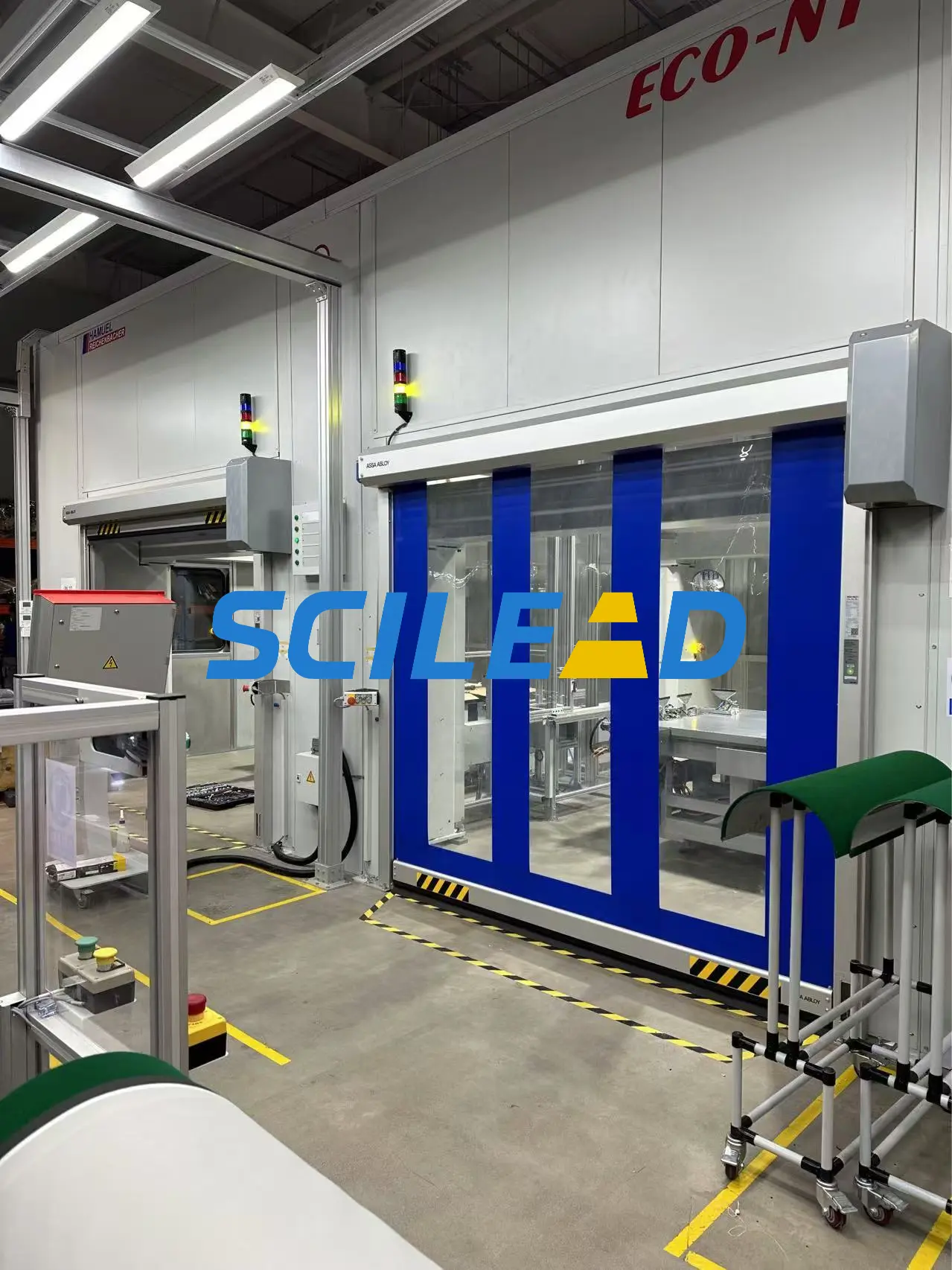
Interior fabric doors may work well for indoor separation, while insulated or rigid high speed doors are often better for exterior walls, cold rooms, or areas where stronger thermal protection is needed.
Review Operating Reliability
Choose a model designed for high-cycle industrial use. Reliability reduces the risk of breakdowns, maintenance interruptions, and unnecessary energy waste caused by doors that cannot close properly.
Look at Total Cost of Ownership
An energy saving door should be evaluated by long-term value, not just purchase price. Lower air leakage, improved traffic efficiency, and reduced energy consumption can often offset a higher upfront cost over time.
In modern industrial facilities, energy saving is not only about insulation or equipment efficiency. Door performance also plays a direct role. A well-chosen high speed door can help reduce air exchange, improve temperature control, and support more efficient day-to-day operations across the entire site.