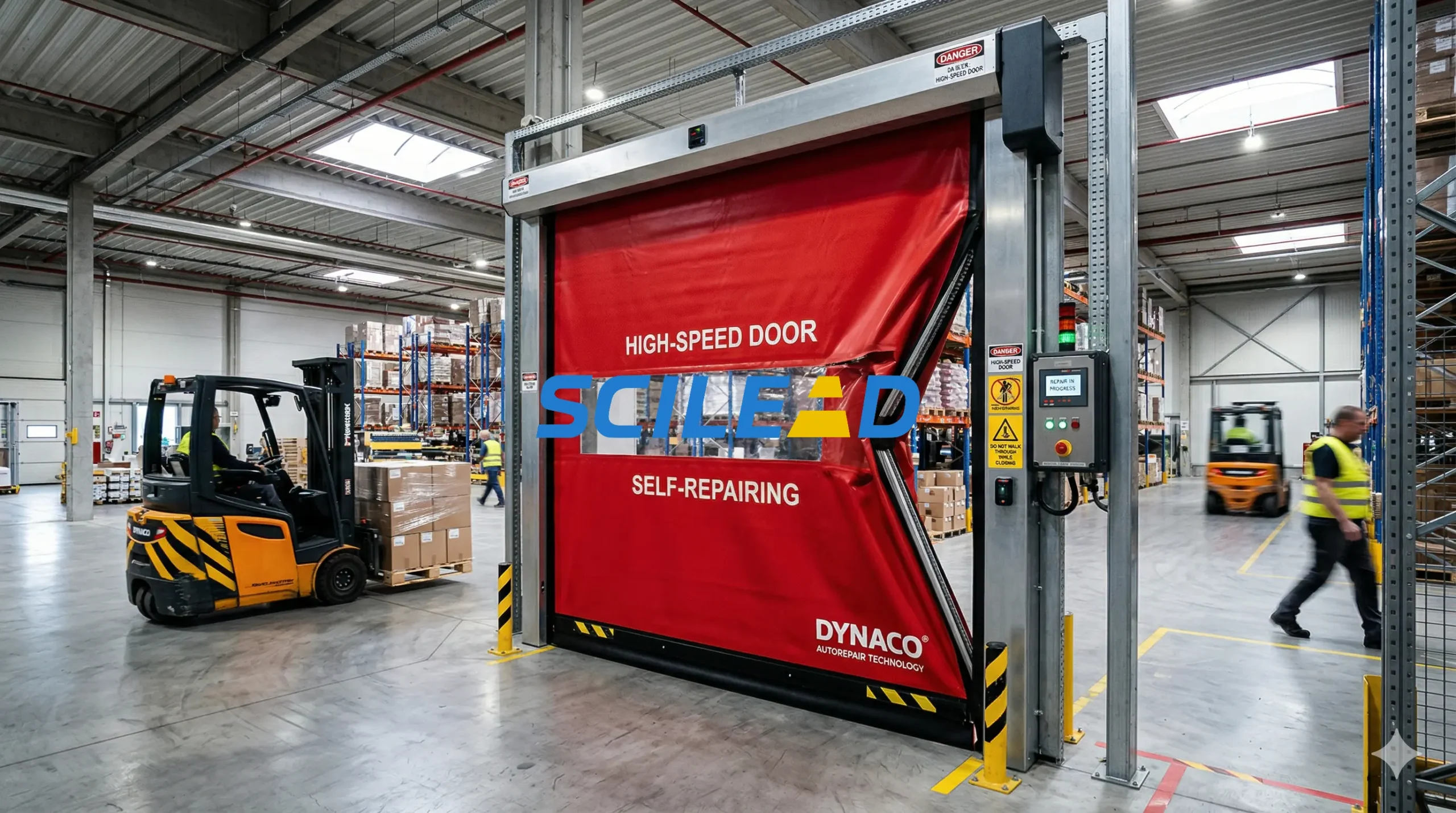
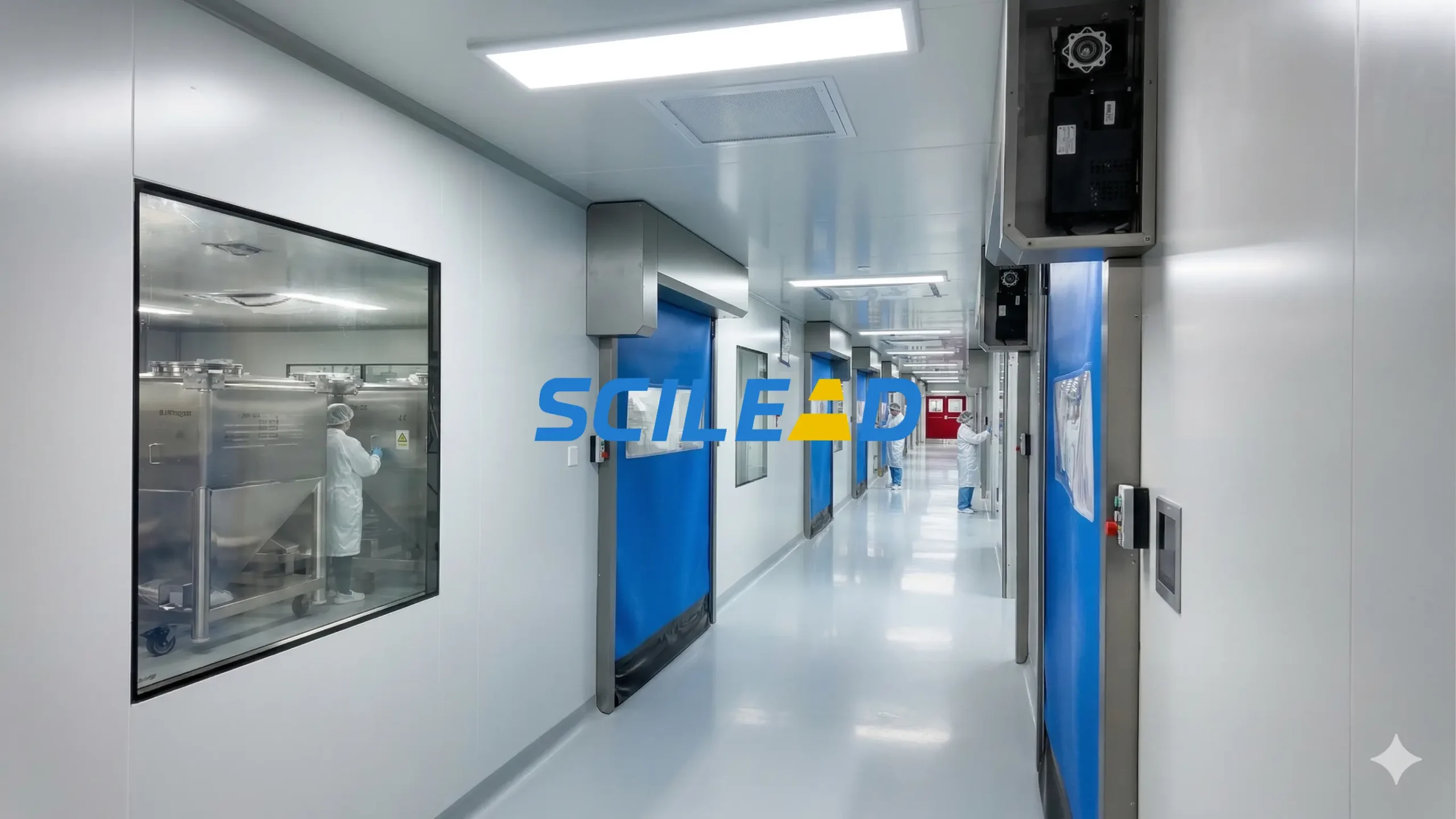
A self repairing high speed door is designed to keep industrial traffic moving while reducing downtime after accidental curtain impact. In warehouses, cleanrooms, cold storage areas, and production lines, this feature can improve efficiency, safety, and maintenance control. This guide explains how a self repairing high speed door works, where it fits best, and what buyers should check before making a decision.
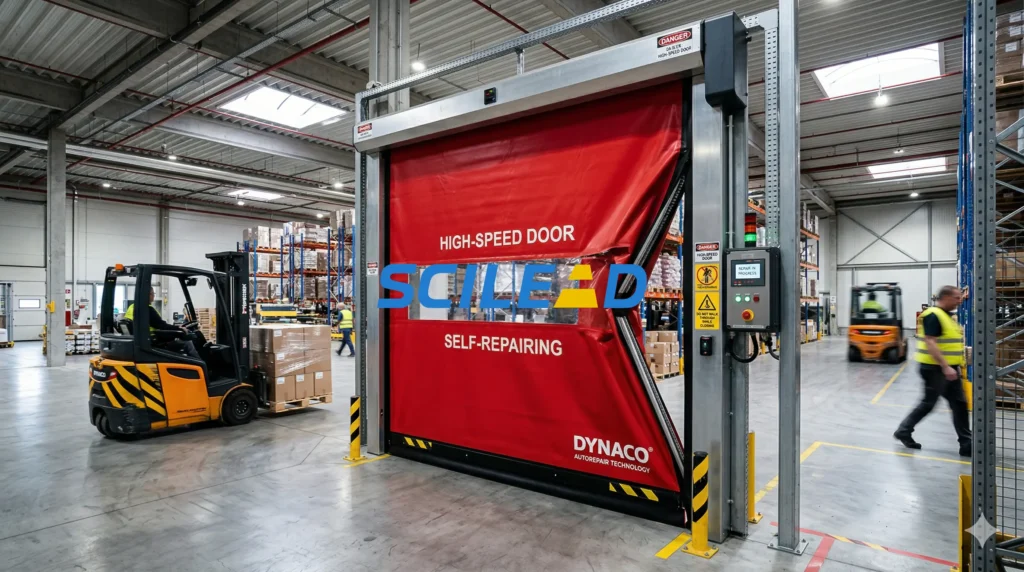
Table of Contents
- What Is a Self Repairing High Speed Door?
- How the Self Repair System Works
- Main Benefits
- Best Applications
- What to Check Before Buying
- Maintenance and Service
- FAQ
- Final Thoughts
What Is a Self Repairing High Speed Door?
A self repairing high speed door is a rapid roll-up door that can automatically reset its curtain after a minor accidental impact. In many designs, if the curtain is pushed out of the side guides by a forklift, pallet, or trolley, the door can return to its normal track during the next operating cycle. This reduces stoppages and helps avoid frequent manual repositioning.
Compared with a standard high speed door, a self repairing high speed door is mainly chosen for openings with frequent traffic and a higher risk of accidental contact. For facilities that need fast opening, reliable sealing, and lower interruption rates, this door type is often a practical solution.
How the Self Repair System Works
The self repair system usually works through a flexible curtain and guide structure. When the curtain is hit and comes out of the side guide, the door does not always require immediate manual repair. Instead, during the next opening or closing cycle, the curtain can be guided back into position.
This design is useful because accidental impact is common in logistics and industrial environments. A self repairing high speed door helps reduce the operational effect of these incidents. However, buyers should understand that self repair does not mean the door is damage-proof. Severe collision, poor installation, or worn components can still require service.
Main Benefits
Less downtime: The main benefit of a self repairing high speed door is reduced interruption after curtain impact. This is especially valuable in high-traffic zones.
Lower maintenance burden: Because minor curtain dislodgement may reset automatically, staff do not need to stop operations as often for manual correction.
Better traffic efficiency: A self repairing high speed door supports faster movement of forklifts, carts, and personnel through frequently used openings.
Improved environmental control: When matched with the right sealing and speed, these doors can help limit air exchange, dust entry, and temperature loss.
Safer daily operation: In busy industrial settings, reducing unexpected stoppages can also support smoother and safer workflow.
Best Applications
A self repairing high speed door is commonly used in areas where accidental impact is more likely and quick recovery matters. Typical applications include:
- Warehouses and logistics corridors
- Cleanrooms and controlled production areas
- Cold storage and cold chain facilities
- Manufacturing lines with frequent internal transport
- Automated or semi-automated traffic routes
In clean environments, a self repairing high speed door can support both traffic flow and controlled separation. In temperature-sensitive spaces, it can also help reduce unnecessary door-open time.
What to Check Before Buying
Not every self repairing high speed door is the same. Before buying, check these points carefully:
Traffic frequency: The more cycles the door handles each day, the more important durability and response stability become.
Opening size: Door size affects speed, wind resistance, and structural requirements.
Environment: Cleanrooms, cold rooms, and standard warehouse openings need different curtain, sealing, and control configurations.
Impact risk: If forklift contact is common, confirm how the self repair system is designed and under what conditions it resets.
Safety devices: Check for photocells, safety edges, and control logic appropriate for the traffic route.
Service access: A self repairing high speed door still needs periodic inspection, so spare parts and technical support matter.
Maintenance and Service
A self repairing high speed door can reduce minor recovery work, but it does not eliminate maintenance. Routine inspection should still cover the curtain, guide tracks, motor, sensors, control system, and bottom safety components.
Operators should also be trained to identify when a door needs service instead of repeated cycling. If the curtain is torn, the guide is damaged, or the impact is severe, professional inspection is necessary. Good preventive maintenance helps the self repairing high speed door keep its speed, sealing, and reset function over time.
FAQ
Is a self repairing high speed door the same as an impact-resistant door?
No. A self repairing high speed door is designed to recover from certain minor curtain dislodgements, but that does not mean it can resist all levels of impact without damage.
Does every high speed door have a self repair function?
No. Some high speed doors include a self repair system, while others do not. Buyers should verify this feature in the actual product specification.
Where is a self repairing high speed door most useful?
It is most useful in high-traffic industrial areas where forklifts, carts, or pallets often pass through the opening.
Can a self repairing high speed door be used in cleanrooms or cold storage?
Yes, if the door model is matched to the environment. The final choice should depend on sealing, material, speed, and application requirements.
Does self repair reduce maintenance costs?
It can help reduce downtime and minor manual reset work, but regular maintenance is still required for long-term reliability.
Final Thoughts
A self repairing high speed door is a practical option for facilities that need fast access and better recovery from minor accidental impact. Its value lies in reduced downtime, smoother traffic flow, and more stable daily operation. The right solution depends on traffic conditions, opening size, environment, and service support. When selected carefully, a self repairing high speed door can be a strong long-term investment for industrial efficiency.