Table of Contents
- What Is a Cleanroom Door?
- Key Features of Cleanroom Doors
- Cleanroom Standards and Requirements
- Types of Cleanroom Doors
- Benefits in Controlled Environments
- How to Choose the Right Cleanroom Door
What Is a Cleanroom Door?
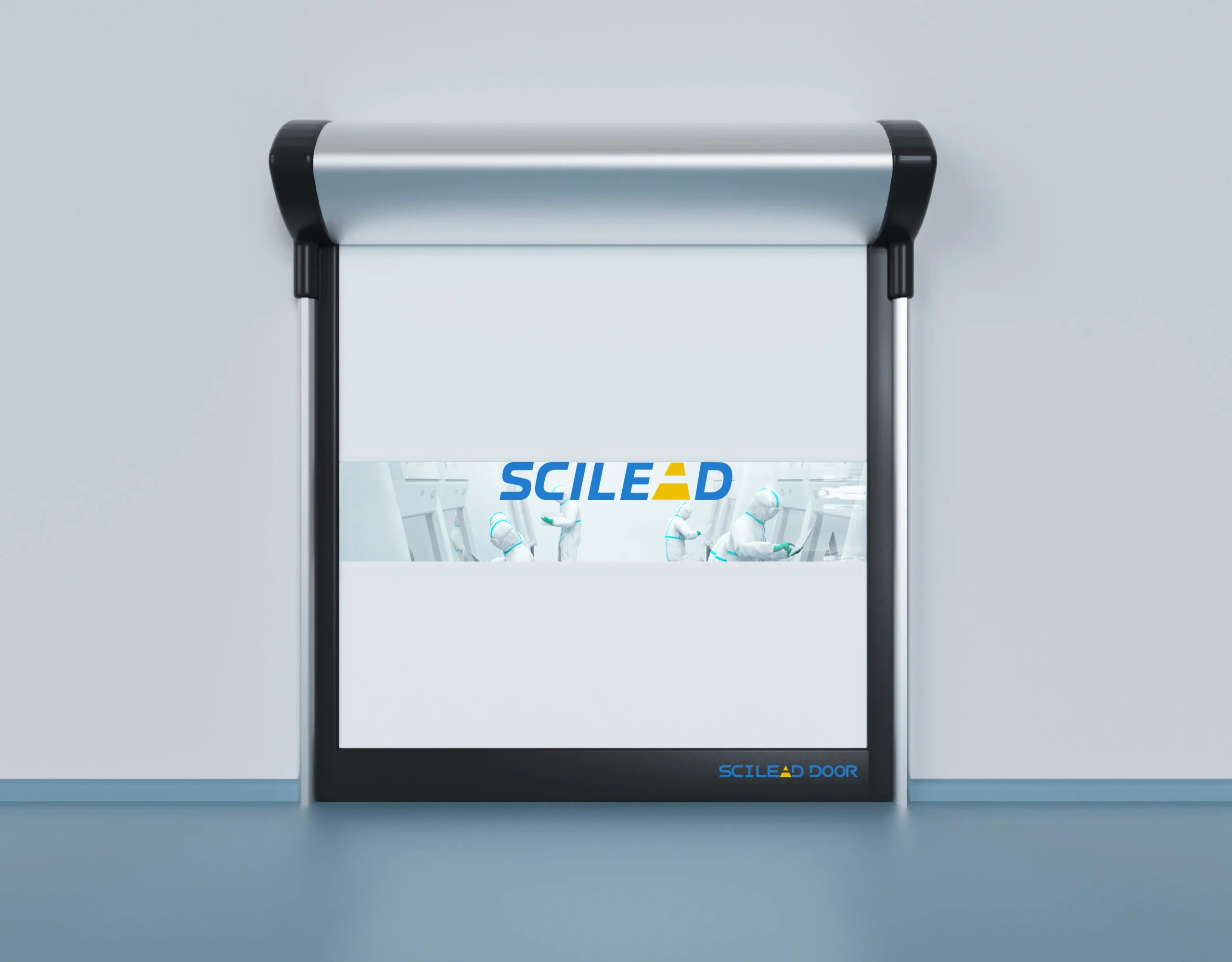
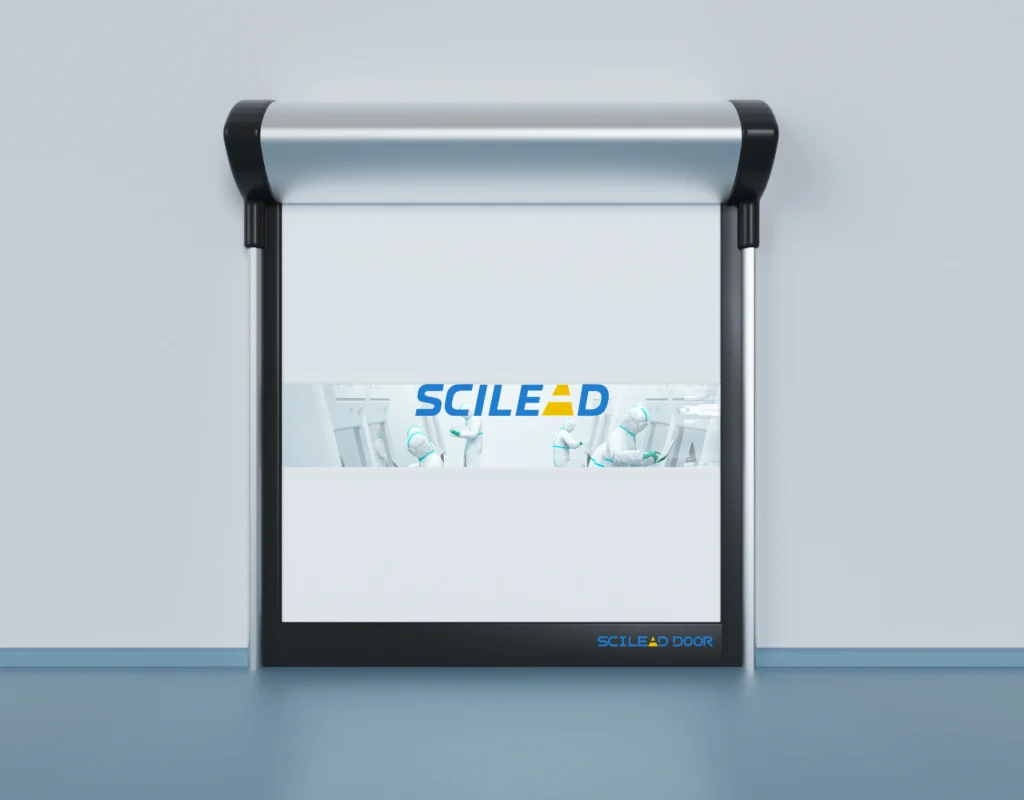
A cleanroom door is a specialized industrial door designed for environments that require strict control of airborne particles, temperature, humidity, and contamination. These doors are essential in industries such as pharmaceuticals, biotechnology, electronics manufacturing, and healthcare.
Cleanroom doors are engineered to maintain airtight sealing, minimize particle generation, and support compliance with cleanroom classification standards.
Key Features of Cleanroom Doors
Cleanroom doors incorporate advanced design elements to ensure hygiene and performance:
- Seamless Surfaces: Smooth, non-porous materials reduce particle accumulation.
- Airtight Sealing: Prevents contamination and maintains pressure differentials.
- High-Speed Operation: Minimizes exposure time during opening and closing.
- Corrosion Resistance: Materials suitable for sterile and chemical environments.
Cleanroom Standards and Requirements
Cleanroom doors must comply with international standards to ensure proper environmental control:
- ISO 14644: Defines cleanroom classification based on particle concentration.
- GMP (Good Manufacturing Practice): Ensures quality in pharmaceutical production.
- FDA Guidelines: Applies to medical and food-related clean environments.
Proper door design helps maintain air pressure, prevents cross-contamination, and supports regulatory compliance.
Types of Cleanroom Doors
Different cleanroom environments require different door solutions:
- Sliding Cleanroom Doors: Space-saving and ideal for controlled environments.
- Swing Doors: Suitable for areas with lower contamination risk.
- High Speed Cleanroom Doors: Designed for high-traffic zones with strict hygiene control.
- Hermetic Doors: Provide airtight sealing for critical applications.
Benefits in Controlled Environments
Installing appropriate cleanroom doors offers several advantages:
- Contamination Control: Maintains sterile conditions.
- Energy Efficiency: Supports temperature and airflow control.
- Regulatory Compliance: Meets industry standards and certifications.
- Operational Efficiency: Enables smooth workflow in controlled areas.
How to Choose the Right Cleanroom Door
Selecting the right cleanroom door requires careful consideration of:
- Cleanroom classification level (ISO class)
- Air pressure and sealing requirements
- Frequency of door usage
- Material compatibility with cleaning agents
For high-traffic clean zones, high speed doors are often preferred, while hermetic doors are ideal for environments requiring maximum airtightness.