Table of Contents
- What Is a Roll Up Door?
- How Does a Roll Up Door Work?
- Main Types of Roll Up Doors
- Why Roll Up Doors Are Widely Used
- Common Applications
- How to Choose the Right Roll Up Door
What Is a Roll Up Door?
A roll up door is an industrial or commercial door that opens vertically and coils into a compact roll above the opening. This design saves side space, keeps the doorway clear, and makes the door suitable for facilities where space efficiency and smooth traffic flow are important.
In modern industrial settings, roll up doors are commonly used in warehouses, manufacturing plants, logistics hubs, parking facilities, clean environments, and temperature-controlled areas. Depending on the application, they may be made with flexible fabric, rubber, composite materials, or rigid metal slats.
How Does a Roll Up Door Work?
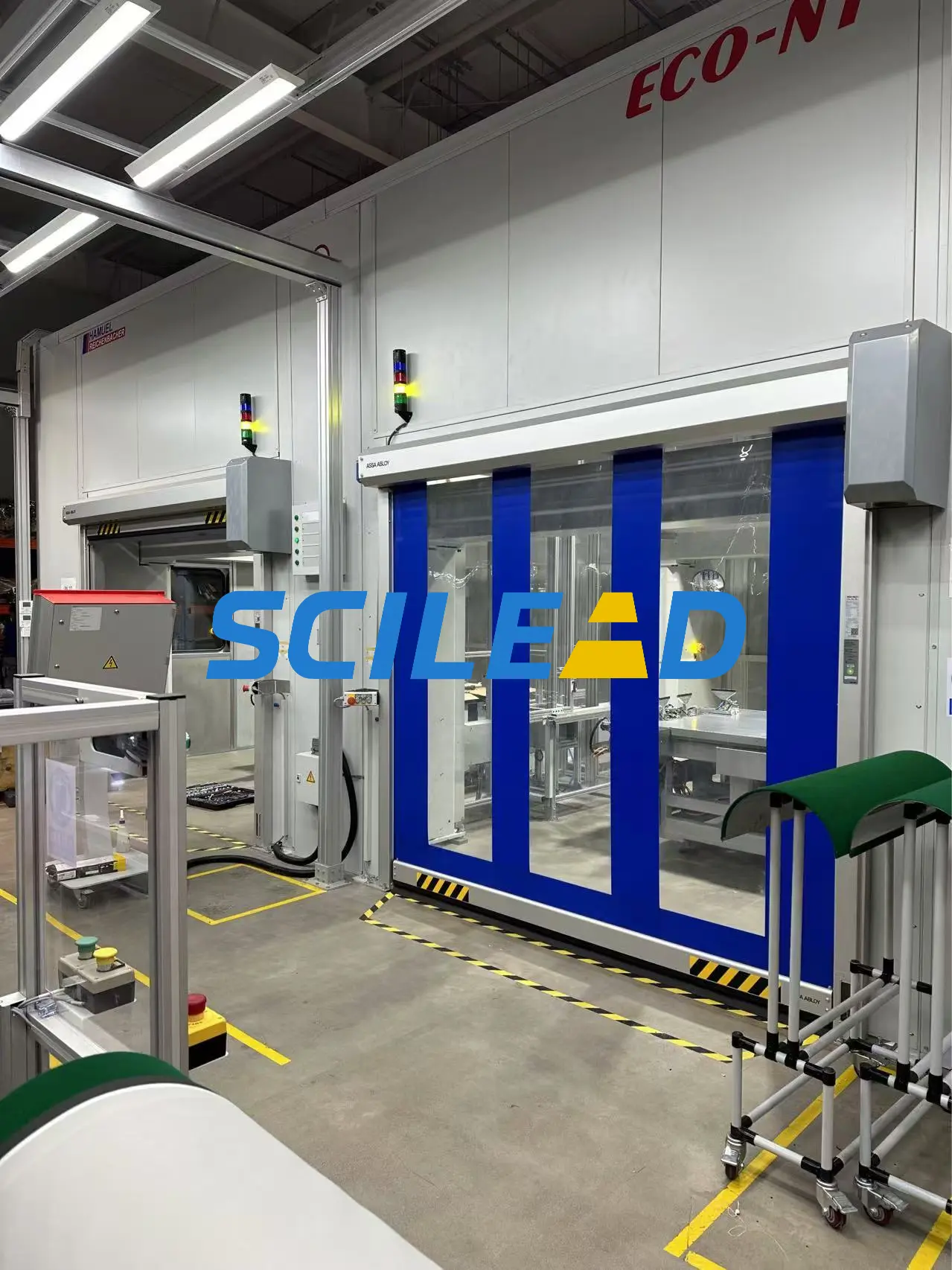
A roll up door operates through a motorized system that lifts the curtain or slats upward along side guides and coils them above the doorway. In high-performance models, the door opens and closes quickly to reduce waiting time and improve workflow.
Many modern systems also include sensors, automatic controls, and safety features such as soft bottom edges, obstacle detection, and self-reset or auto-refeed functions after minor impacts. These features help maintain productivity while reducing downtime and safety risks.
Main Types of Roll Up Doors
1. Fabric Roll Up Doors
Fabric roll up doors are lightweight and designed for high-speed, high-cycle use. They are often selected for interior openings, clean operations, and facilities that need fast access with minimal maintenance.
2. Rubber Roll Up Doors
Rubber roll up doors are built for demanding industrial environments. They are valued for durability, impact resistance, and reliable performance in heavy-duty applications such as loading areas, equipment storage, and harsh weather conditions.
3. Rigid Roll Up Doors
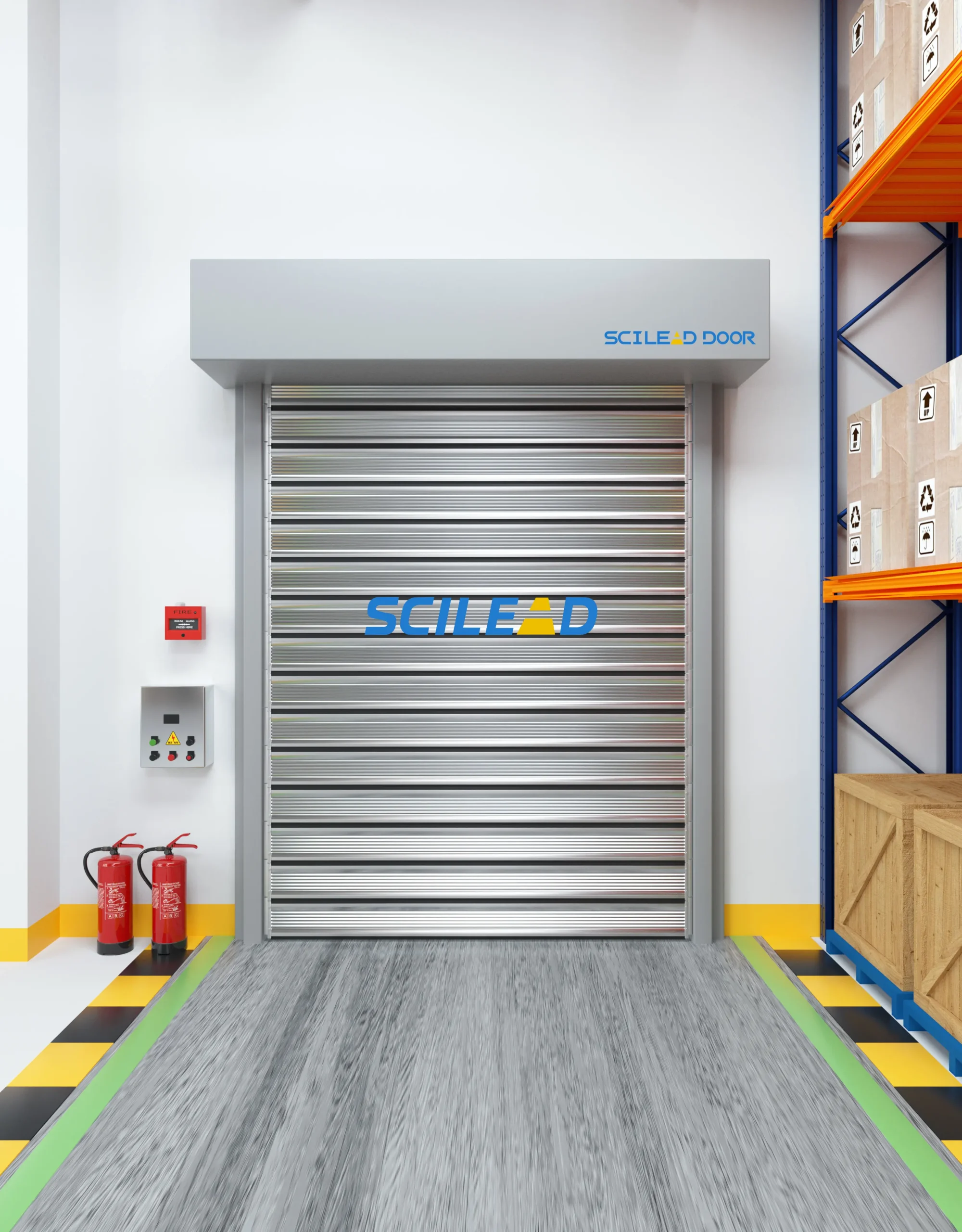
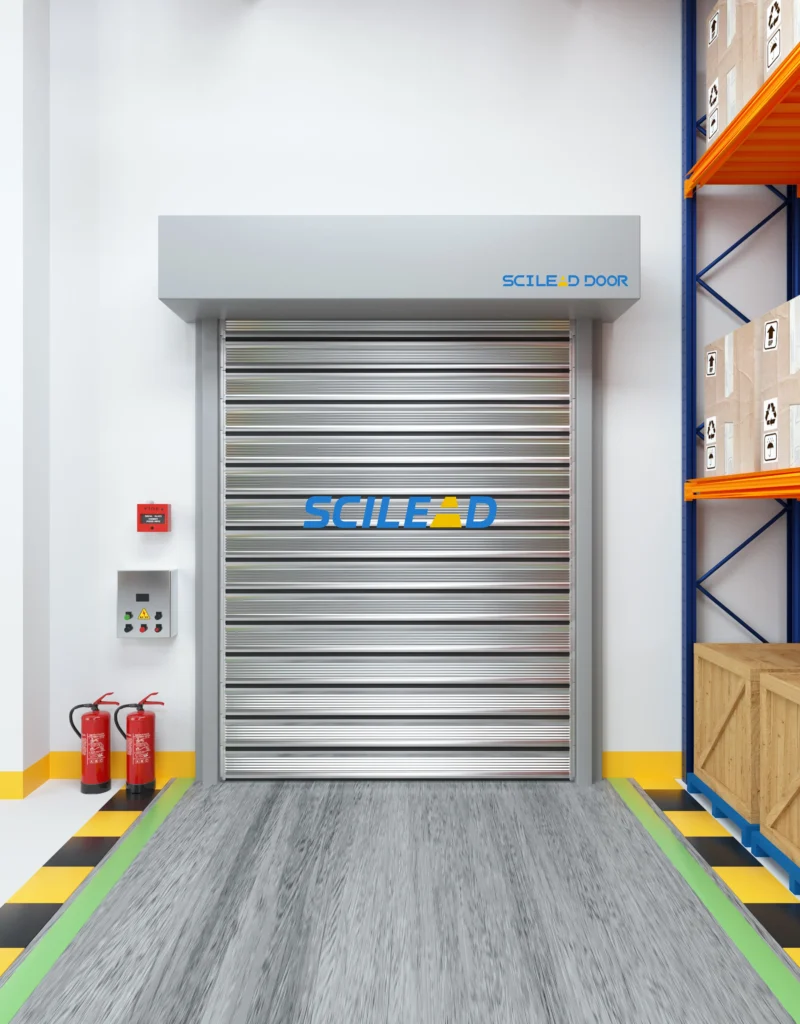
Rigid roll up doors use metal or insulated panels rather than flexible curtains. They are often chosen when security, weather resistance, insulation, or exterior performance is a higher priority.
4. Specialized Roll Up Doors
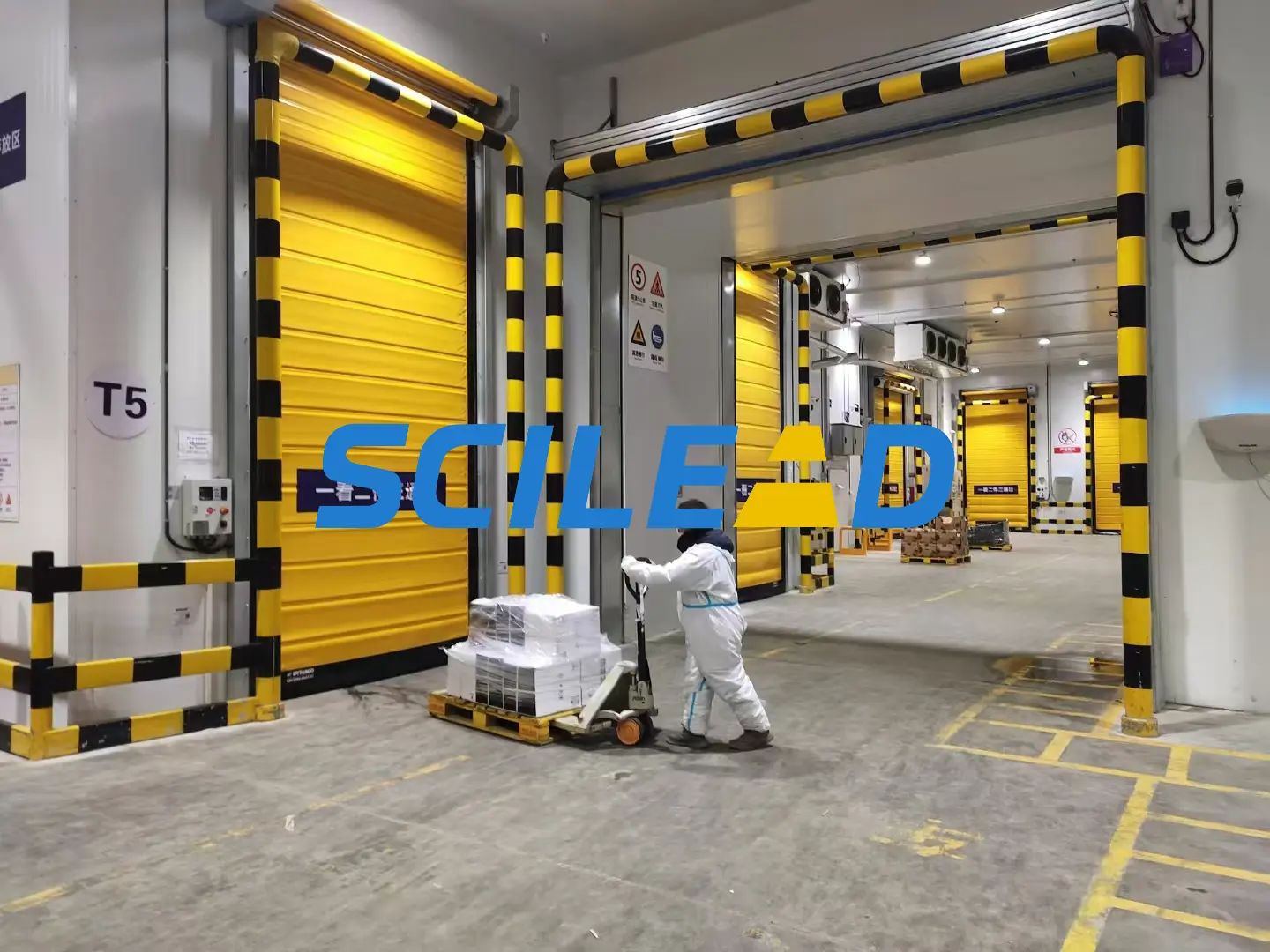
Some roll up doors are engineered for specific environments, including cold storage rooms, cleanrooms, wash-down areas, and pharmaceutical facilities. These versions focus on better sealing, hygiene, and environmental control.
Why Roll Up Doors Are Widely Used
Roll up doors remain popular because they combine efficient use of space with practical operating performance. Their compact overhead design is especially useful in facilities where floor area and side clearance are limited.
- Space-saving design: The door coils above the opening, leaving side walls free for equipment or shelving.
- Fast traffic flow: High-speed models reduce waiting time for forklifts, vehicles, and staff.
- Environmental control: Quick cycling helps limit air exchange, dust movement, and temperature loss.
- Improved safety: Modern doors can include sensors, soft edges, and impact recovery features.
- Lower downtime: Durable materials and self-repairing features can reduce maintenance interruptions.
Common Applications
Roll up doors are used in a wide range of industrial and commercial settings:
- Warehouses and distribution centers
- Manufacturing and assembly plants
- Loading docks and shipping areas
- Cold storage and refrigerated rooms
- Cleanrooms and food processing facilities
- Parking structures and service bays
The best choice depends on whether the priority is speed, insulation, security, hygiene, or durability.
How to Choose the Right Roll Up Door
Choosing the right roll up door starts with understanding the operating conditions of your facility. A door that works well in a warehouse may not be suitable for a freezer room or a clean manufacturing zone.
Consider the Traffic Level
If forklifts, carts, or staff move through the opening frequently, a high-speed roll up door is usually the better option. Faster opening and closing improves efficiency and reduces congestion.
Evaluate the Environment
For interior use, a fabric roll up door may be enough. For outdoor openings, wind, weather exposure, and security requirements may make a rigid or rubber roll up door more suitable.
Check Sealing and Insulation Needs
Facilities that handle refrigerated goods, clean production, or controlled air pressure should prioritize tight sealing and specialized door materials. Better sealing can help reduce energy waste and maintain stable conditions.
Review Safety Features
Look for features such as photo eyes, motion sensors, soft bottom edges, and impact recovery systems. These can improve daily safety and help avoid costly damage.
Think About Maintenance and Lifecycle Cost
The lowest purchase price is not always the best long-term value. A more reliable door with fewer repairs, faster cycles, and lower energy loss can often deliver better total cost performance over time.
In short, a roll up door is more than a simple access point. It is an important part of facility efficiency, safety, and environmental control. Selecting the right model can help improve workflow, reduce operating costs, and support smoother day-to-day operations across the entire site.