Table of Contents
- What Is an Industrial High Speed Door?
- What Is an Industrial High Speed Door Used For?
- Industries That Commonly Use High Speed Doors
- Why Facilities Choose High Speed Doors
- Which Type of High Speed Door Fits Each Application?
- How to Choose the Right High Speed Door
What Is an Industrial High Speed Door?
An industrial high speed door is an automated door designed to open and close much faster than a conventional industrial door. It is commonly installed in facilities where traffic is frequent, environmental control is important, and downtime can affect productivity.
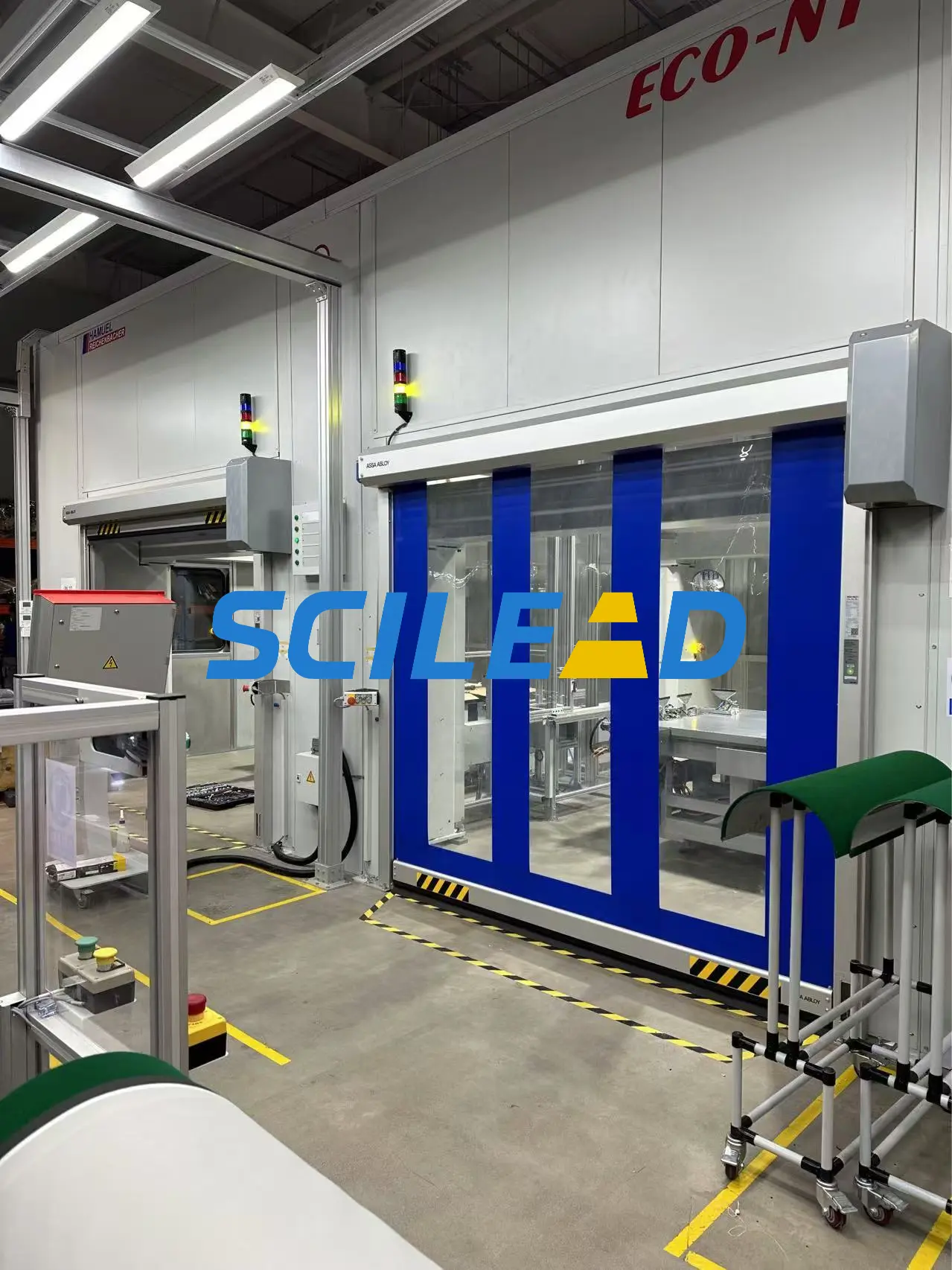
These doors are used in warehouses, factories, loading docks, cold storage rooms, cleanrooms, and logistics centers. Depending on the application, they may be built with flexible PVC curtains, rubber panels, or rigid insulated slats.
What Is an Industrial High Speed Door Used For?
1. Managing Fast Internal Traffic
One of the most common uses of an industrial high speed door is to support fast movement between different work zones. In warehouses and production plants, forklifts, pallet jacks, carts, and staff move through openings many times each day. A faster door helps reduce waiting time and keeps traffic flowing smoothly.
2. Improving Environmental Control
High speed doors are widely used to separate areas with different temperatures, cleanliness levels, or air pressure requirements. By reducing the time an opening stays exposed, they help limit air exchange between spaces.
3. Supporting Cold Storage and Refrigerated Operations
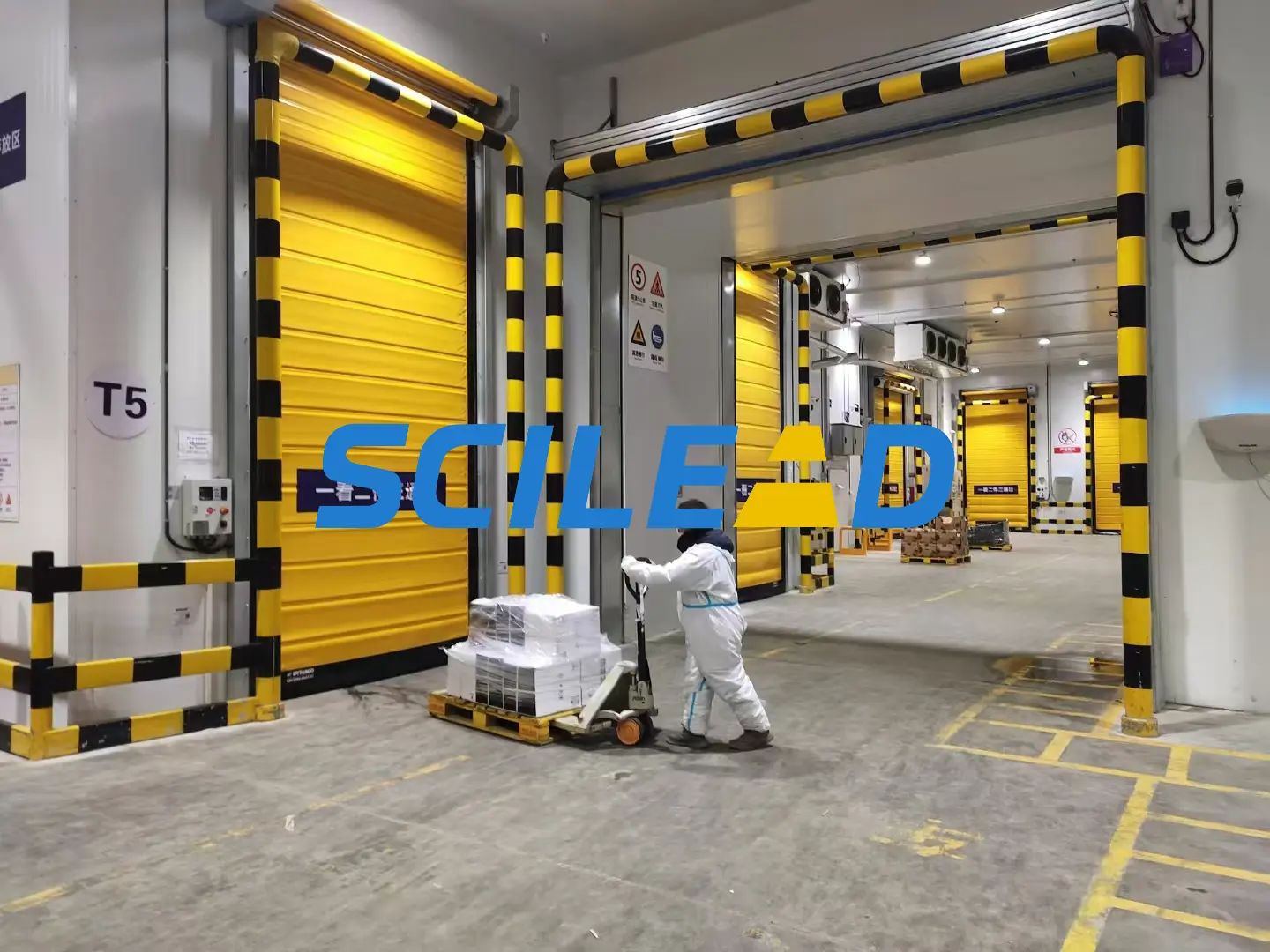
In cold rooms and freezer areas, high speed doors help reduce warm-air infiltration and support more stable temperature control. This makes them an important part of energy efficiency and product protection in cold chain operations.
4. Protecting Clean and Controlled Areas
In pharmaceutical, food, medical, and electronics environments, high speed doors are often used to help reduce contamination risk. Faster opening and closing can help limit dust transfer, airborne particles, and unnecessary exposure between zones.
5. Securing Exterior Openings
Some industrial high speed doors are designed for exterior use. In these cases, they are used to combine faster access with stronger security, weather resistance, and better control over airflow at building entrances or shipping areas.
6. Supporting Automated Facilities
As warehouses and manufacturing plants use more automation, door performance becomes more important. High speed doors are often used with conveyor systems, automated guided vehicles, and synchronized traffic patterns where timing and reliability matter.
Industries That Commonly Use High Speed Doors
Warehousing and Logistics
Distribution centers and warehouses use high speed doors between storage areas, picking zones, staging areas, and loading docks. The goal is usually to improve traffic flow and reduce air loss.
Manufacturing
Factories use high speed doors to separate production areas, improve material flow, control dust, and help maintain safer working conditions in high-traffic openings.
Food and Beverage
Food facilities often need both hygiene control and temperature stability. High speed doors can support sanitation goals while helping reduce energy waste.
Cold Storage and Freezer Facilities
Cold chain facilities rely on fast door cycles to reduce temperature fluctuation and refrigeration load. These doors are especially important in openings with frequent forklift traffic.
Pharmaceutical and Cleanroom Operations
Controlled environments require doors that support cleanliness, pressure management, and reliable operation. High speed cleanroom doors are often selected where contamination control is critical.
Loading Dock and Shipping Areas
At loading docks, high speed doors help facilities maintain productivity and reduce exposure to outdoor air, dust, and moisture while trailers are being loaded or unloaded.
Why Facilities Choose High Speed Doors
Faster Productivity
The most obvious advantage is speed. When a door opens and closes quickly, operators spend less time waiting, and traffic moves more efficiently through the facility.
Better Energy Performance
Because the opening is exposed for less time, high speed doors can reduce unwanted airflow and help maintain indoor temperature more effectively than slower doors.
Improved Safety
Many modern systems include photo eyes, motion sensors, soft bottom edges, and impact detection. These features help reduce the risk of collisions in busy industrial environments.
Reduced Downtime
High performance doors are often built for high-cycle use. In many applications, durability and quick-reset features help minimize service interruptions after minor impacts.
More Reliable Environmental Separation
Whether the goal is dust control, temperature separation, humidity management, or cleanliness, a high speed door can help facilities maintain better control between different zones.
Which Type of High Speed Door Fits Each Application?
Flexible PVC High Speed Doors
These are commonly used for interior openings with frequent traffic. They are a practical choice for warehouses, general manufacturing, and controlled indoor areas.
Rubber High Speed Doors
Rubber doors are often used in heavy-duty industrial environments where impacts are more likely and durability is a major priority.
Rigid High Speed Doors
Rigid doors are better suited for exterior openings, higher security requirements, and applications where weather resistance or insulation is more important.
Specialized Cleanroom or Cold Storage Doors
In pharmaceutical, food, freezer, and other controlled environments, specialized doors are designed to deliver stronger sealing, easier cleaning, and more stable environmental performance.
How to Choose the Right High Speed Door
Understand the Traffic Pattern
High-frequency openings need a door with fast cycle speed and strong durability. The more often the opening is used, the more valuable a high speed door becomes.
Review the Environment
Interior use, exterior exposure, cold storage, cleanroom requirements, and wash-down conditions all affect which door type is most suitable.
Check Safety Requirements
If the opening is used by forklifts, pedestrians, or automated equipment, safety sensors and reliable control systems should be a priority.
Think About Total Cost of Ownership
The best choice is not always the least expensive model. A more efficient and reliable high speed door may deliver better long-term value through lower downtime, less maintenance, and reduced energy loss.
In simple terms, an industrial high speed door is used wherever a facility needs faster access, better environmental control, and more reliable daily operation. For many warehouses and factories, it is not just a door. It is an important tool for productivity, safety, and operational efficiency.