Table of Contents
- Why High Speed Doors Matter Today
- Improving Productivity and Traffic Flow
- Supporting Energy Efficiency and Sustainability
- Enhancing Workplace Safety
- Improving Environmental Control
- Supporting Automation in Modern Facilities
- Industries That Benefit Most
- Final Thoughts
Why High Speed Doors Matter Today
Modern industrial facilities are built around speed, control, and reliability. Warehouses, factories, cold storage sites, food plants, and logistics centers all depend on smooth movement of people, vehicles, and goods. In these environments, a door is no longer just a barrier. It is an active part of daily operations.
High speed doors have become important because they help facilities respond to the demands of modern industry. They open and close much faster than traditional industrial doors, reduce delays, improve environmental separation, and support more efficient workflows. As operations become more automated and more cost-sensitive, these benefits become even more valuable.
Improving Productivity and Traffic Flow
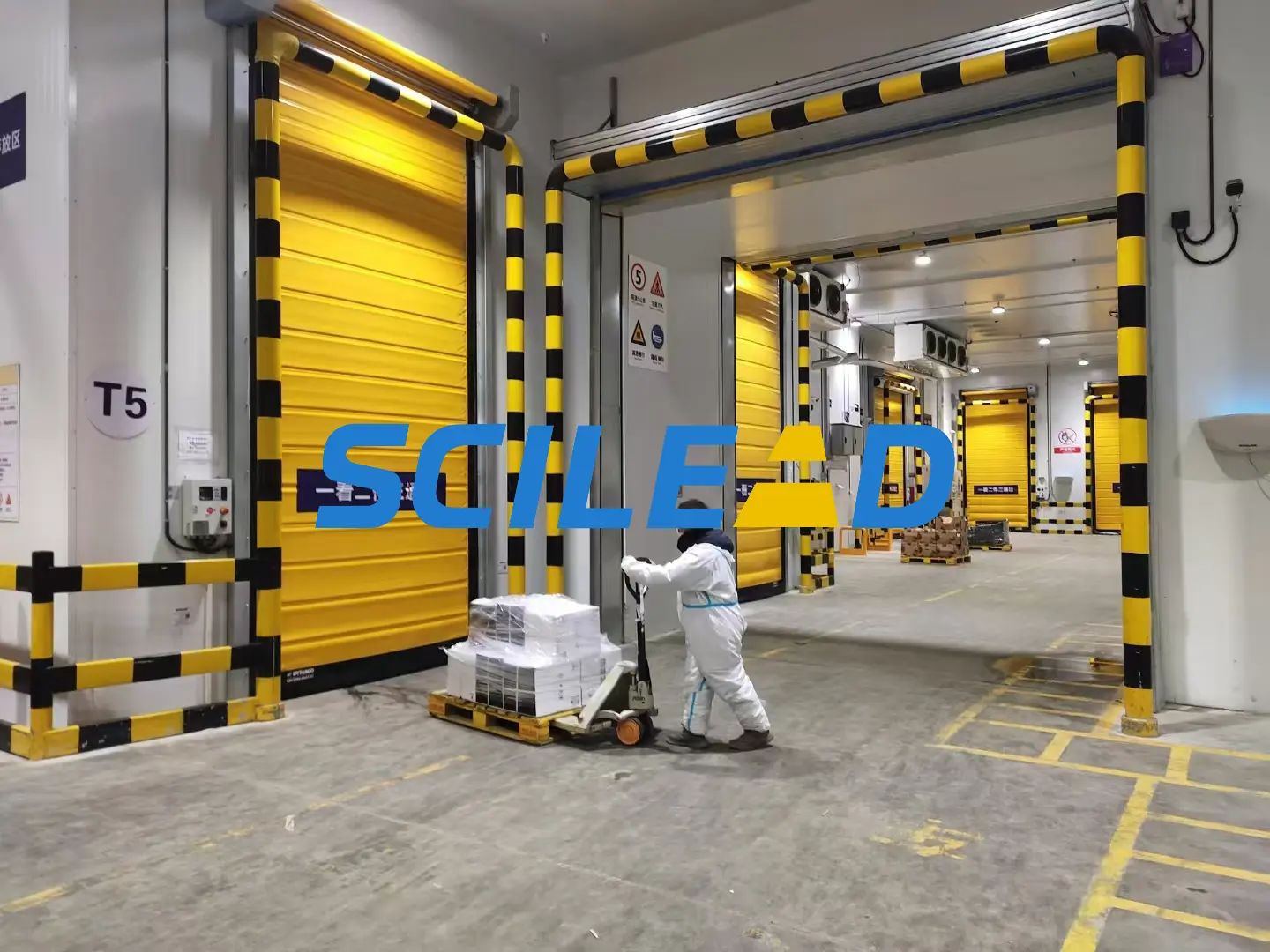
One of the main reasons high speed doors are important is productivity. In many facilities, forklifts, pallet jacks, carts, and staff pass through door openings hundreds of times per day. If a door opens too slowly or remains open too long, it creates avoidable delays and congestion.
A high speed door helps reduce waiting time and keeps traffic moving. This can improve material flow between warehouse zones, support faster loading and unloading, and reduce bottlenecks in production areas. In facilities where every minute matters, faster access directly supports higher throughput.
Supporting Energy Efficiency and Sustainability
Energy efficiency is another major reason high speed doors matter in modern industry. Every time a door opens, conditioned air can escape and outside air can enter. In facilities with frequent traffic, this repeated air exchange can increase heating, cooling, or refrigeration costs.
High speed doors help reduce this energy loss by shortening the amount of time an opening is exposed. When paired with proper sealing, they can support better temperature stability and more efficient building operation. This is especially important in cold storage, food processing, climate-controlled warehouses, and facilities with sustainability goals.
As more industrial companies focus on lowering operating costs and improving environmental performance, high speed doors are increasingly viewed as part of a broader energy-saving strategy.
Enhancing Workplace Safety
Safety is a critical concern in busy industrial environments. Door openings are often shared by forklifts, pedestrians, and equipment, which creates risks if visibility is poor or movement is not well controlled.
Modern high speed doors are often equipped with safety features such as motion sensors, photo eyes, soft bottom edges, and impact detection systems. These features help reduce the risk of collisions and improve overall traffic management. Faster and more predictable door operation can also make it easier for operators to move through openings safely.
Improving Environmental Control
Industrial facilities often contain multiple zones with different operating conditions. One area may require cooler air, another may need dust control, and another may need a cleaner or more controlled environment. Traditional doors may not provide enough speed or sealing to maintain those differences effectively.
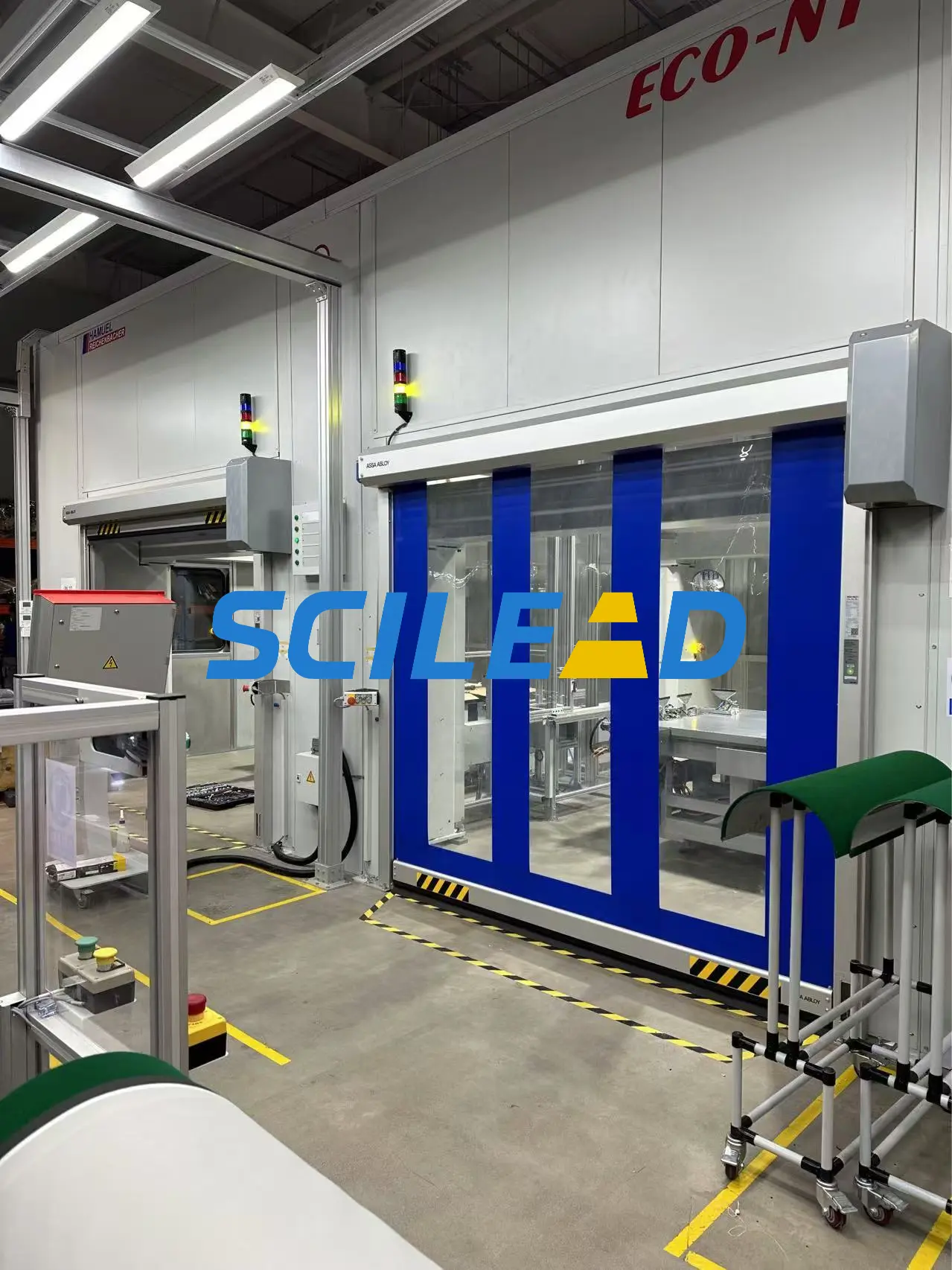
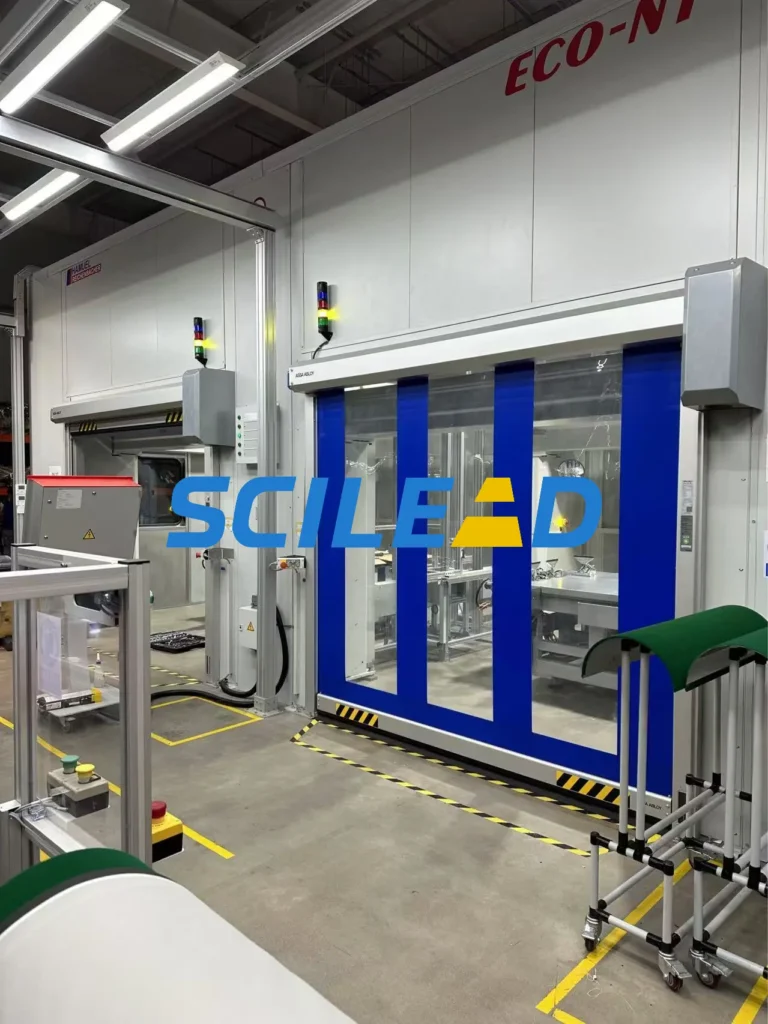
High speed doors help facilities manage environmental separation more efficiently. They can reduce dust movement, limit humidity transfer, support pressure control, and help maintain cleaner conditions in sensitive areas. This is especially useful in pharmaceuticals, food production, electronics manufacturing, and cleanroom-related applications.
Supporting Automation in Modern Facilities
Modern industry is becoming more automated. Warehouses and factories are increasingly using conveyors, automated guided vehicles, smart traffic systems, and digital monitoring tools. In these environments, door performance must match the speed and consistency of the rest of the operation.
High speed doors are important because they can integrate more effectively with automated workflows. Fast cycle times, reliable operation, and compatibility with sensors and access controls help support synchronized movement across the facility. In this way, the door becomes part of the automation system rather than a point of delay.
Industries That Benefit Most
High speed doors are important across many sectors, but they are especially valuable in:
- Warehousing and distribution centers
- Manufacturing plants
- Food and beverage processing
- Cold storage and freezer facilities
- Pharmaceutical and cleanroom environments
- Loading docks and shipping areas
In each of these industries, the same core needs appear again and again: faster movement, better control, safer access, and lower operational waste.
Final Thoughts
High speed doors are important in modern industry because they do much more than open and close. They help improve productivity, reduce energy loss, enhance safety, maintain environmental separation, and support automation.
As industrial facilities continue to modernize, the performance of every operational component matters more. A well-chosen high speed door can contribute to smoother workflows, lower costs, and more reliable day-to-day performance. For many businesses, it is not just a door. It is an essential part of a modern industrial system.