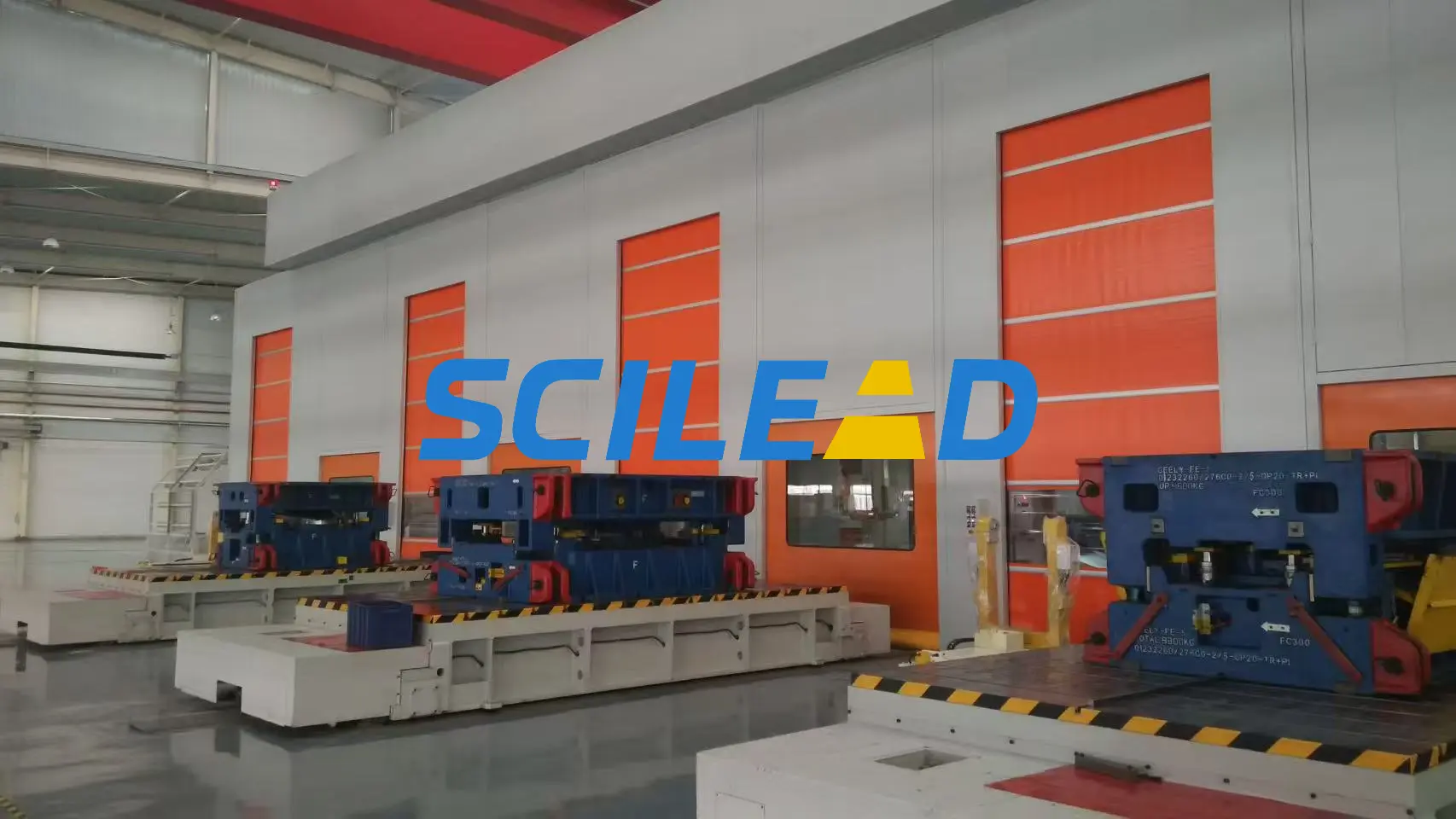
High speed doors are becoming increasingly popular in warehouses, factories, cold storage facilities, and logistics centers. Many businesses ask the same question: are high speed doors worth the investment? The short answer is yes — especially for companies focused on efficiency, energy savings, safety, and long-term operational cost reduction.
This article explains the benefits, costs, and return on investment of high speed doors while helping buyers understand whether they are the right solution for industrial applications.
Table of Contents
- What Are High Speed Doors?
- Main Benefits of High Speed Doors
- How High Speed Doors Improve Energy Efficiency
- Safety and Productivity Advantages
- Cost vs Long-Term Value
- Industries That Benefit Most
- How to Choose the Right High Speed Door
- Conclusion
What Are High Speed Doors?
High speed doors are industrial doors designed to open and close much faster than traditional overhead doors. They are commonly used in manufacturing plants, distribution centers, food processing facilities, pharmaceutical environments, and clean rooms.
These doors are engineered for high traffic areas where temperature control, workflow efficiency, and operational safety are critical. Most high speed doors use advanced motors, sensors, and durable curtain materials to withstand frequent daily cycles.
Main Benefits of High Speed Doors
The biggest reason companies invest in high speed doors is operational efficiency. Faster opening and closing speeds reduce delays and improve workflow throughout the facility.
Key benefits include:
- Reduced energy loss
- Improved temperature control
- Lower maintenance costs
- Enhanced workplace safety
- Better hygiene control
- Reduced dust and contamination
- Faster logistics movement
Compared with conventional industrial doors, high speed doors deliver measurable improvements in both productivity and environmental control.
How High Speed Doors Improve Energy Efficiency
One of the main advantages of high speed doors is energy efficiency. Because the doors open and close quickly, conditioned air stays inside the building longer. This reduces the workload on HVAC systems and helps stabilize indoor temperatures.
For cold storage and temperature-sensitive industries, high speed doors can significantly lower energy consumption. Businesses operating refrigerated warehouses often see reduced utility bills after upgrading from standard industrial doors.
High speed freezer doors and insulated rapid roll doors are especially effective for:
- Cold chain logistics
- Food processing plants
- Pharmaceutical facilities
- Clean room environments
You can also explore different high speed door solutions for energy-saving industrial applications.
Safety and Productivity Advantages
Industrial safety is another major reason companies choose high speed doors. Modern systems include safety sensors, automatic reversing functions, and soft-bottom technology to reduce accident risks.
Faster door cycles also help improve traffic flow for forklifts, workers, and automated guided vehicles (AGVs). This minimizes bottlenecks in busy warehouses and production areas.
Benefits for productivity include:
- Reduced waiting time for vehicles
- Improved warehouse traffic management
- Less interruption during material handling
- Higher operational efficiency
For businesses handling large shipping volumes, every second saved at loading docks can improve overall logistics performance.
Cost vs Long-Term Value
The initial cost of a high speed door is higher than a standard industrial door. However, the long-term return on investment often justifies the expense.
Factors that contribute to ROI include:
- Lower energy bills
- Reduced maintenance expenses
- Less downtime
- Longer service life
- Improved employee productivity
Many companies recover their investment within a few years through operational savings alone. Facilities with high daily traffic generally experience the fastest payback period.
Industries That Benefit Most
High speed doors are valuable in many industrial sectors, including:
- Warehousing and logistics
- Food and beverage processing
- Cold storage facilities
- Automotive manufacturing
- Pharmaceutical production
- Clean room operations
- E-commerce distribution centers
Businesses that prioritize speed, cleanliness, temperature control, and operational efficiency typically benefit the most from installing high speed industrial doors.
How to Choose the Right High Speed Door
Choosing the correct high speed door depends on the environment and operational needs of the facility.
Important considerations include:
- Opening speed requirements
- Indoor or outdoor installation
- Wind resistance
- Insulation performance
- Traffic frequency
- Safety features
- Maintenance requirements
A professional supplier can help determine the best door type for your application. Options may include PVC rapid roll doors, insulated freezer doors, clean room doors, or heavy-duty exterior high speed doors.
For customized industrial door systems, visit Scilead Door Contact Page.
Conclusion
So, are high speed doors worth the investment? For most industrial and commercial facilities, the answer is yes.
High speed doors improve energy efficiency, enhance safety, reduce operational delays, and support long-term cost savings. While the upfront investment may be higher, the long-term value often delivers a strong return for businesses focused on productivity and sustainability.
As industrial automation and logistics demands continue to grow, high speed doors are becoming an essential upgrade for modern facilities.