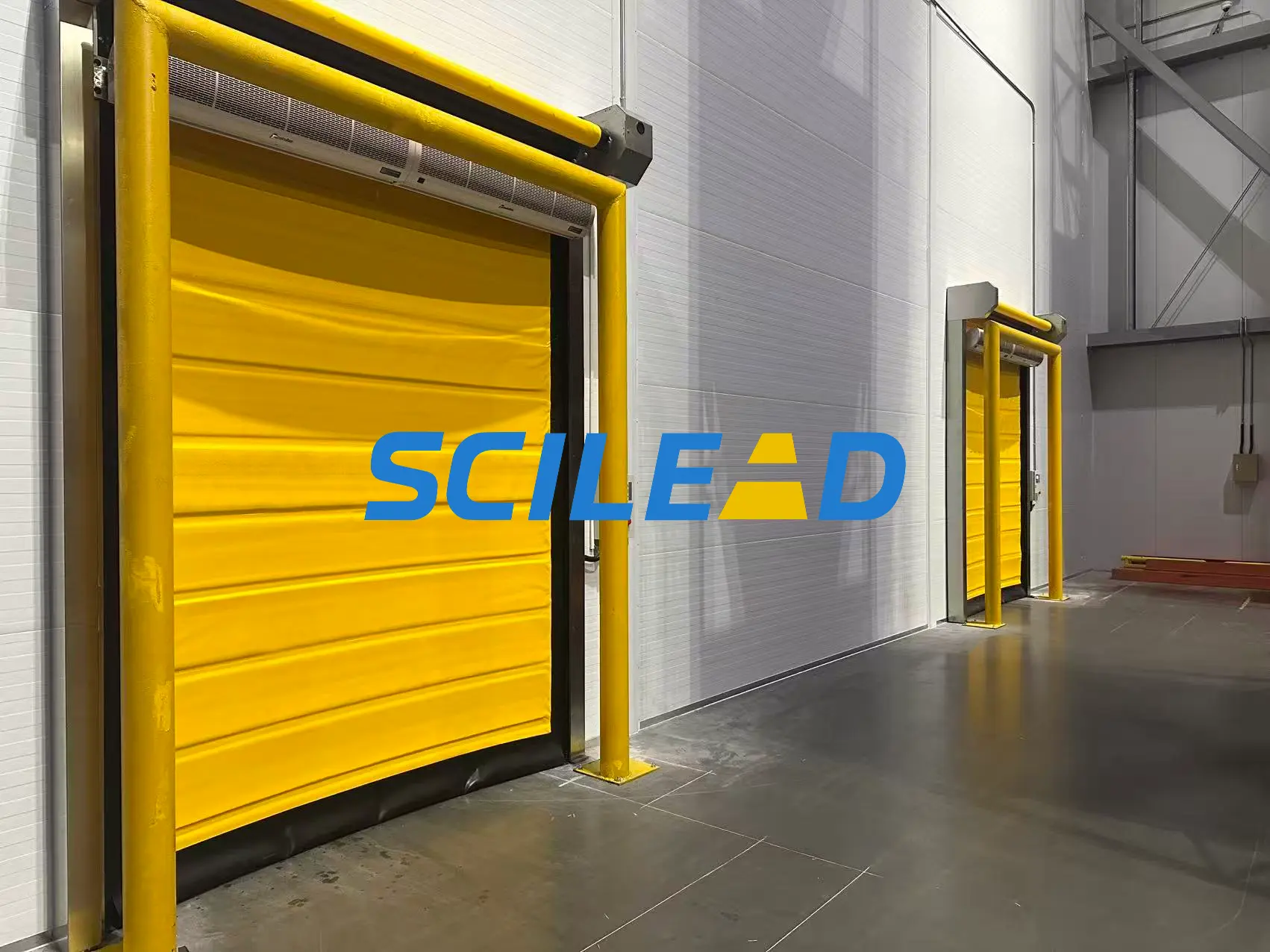
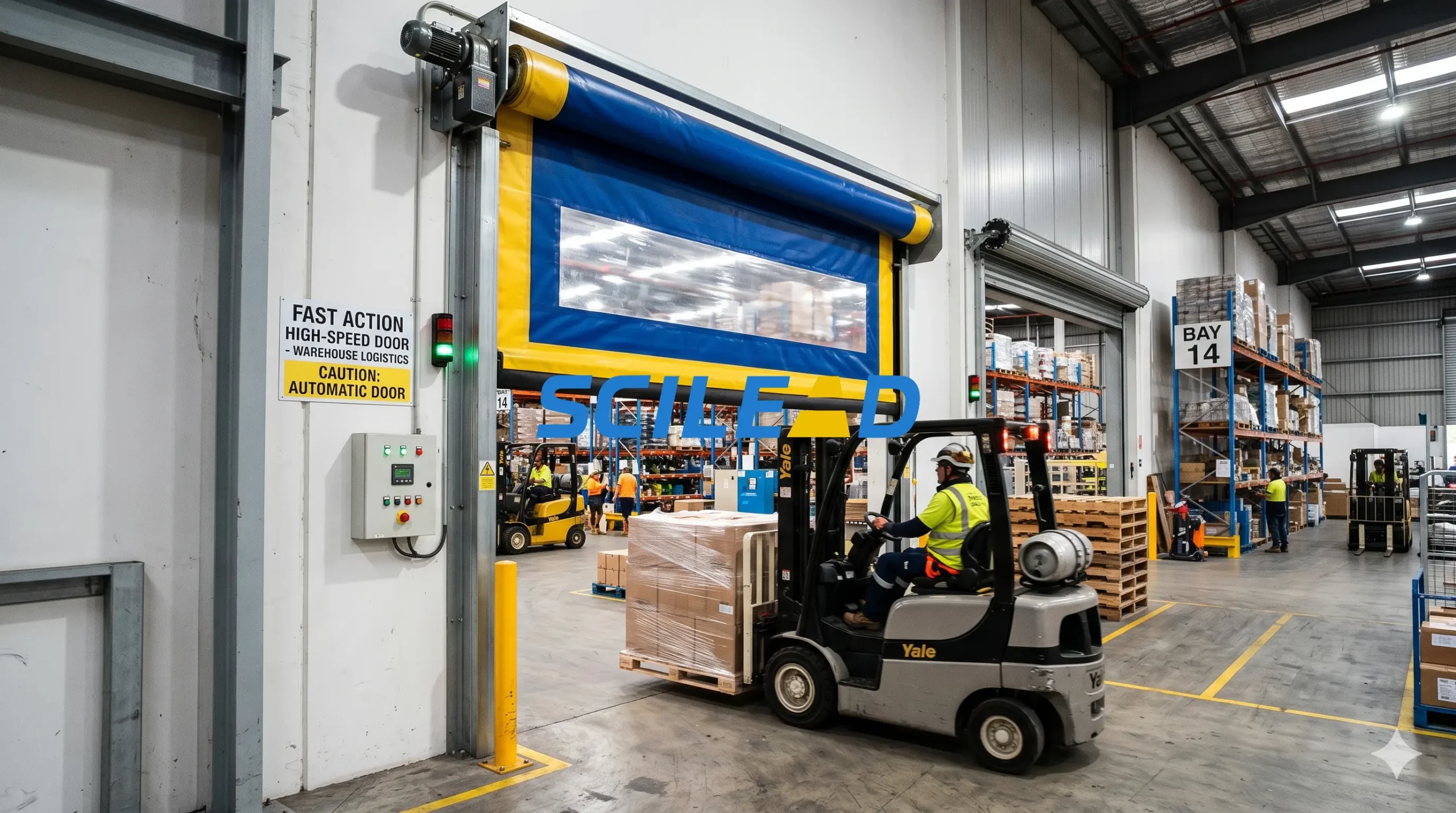
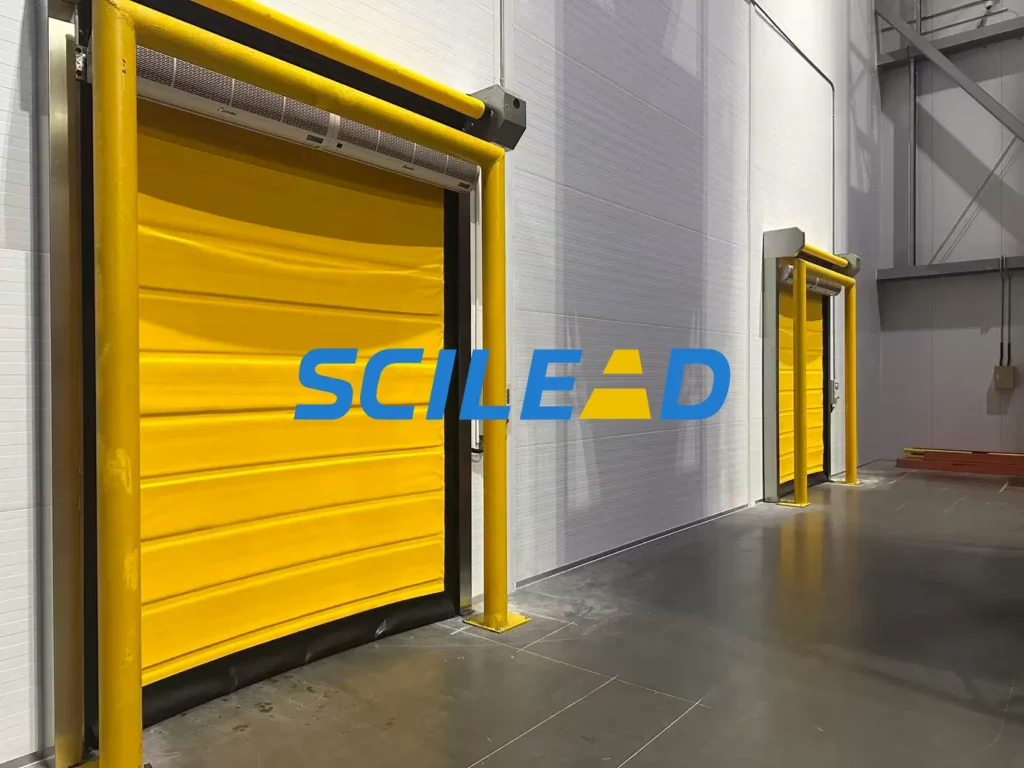
Choosing the best door solutions for cold rooms and freezers is important for temperature stability, energy control, and daily operating efficiency. In cold storage environments, the right door helps reduce temperature loss, supports faster traffic flow, and improves overall cold chain reliability. For facilities that handle food, pharmaceuticals, and temperature-sensitive goods, door selection should be based on insulation, opening speed, sealing, and site conditions.
Contents
- Why Door Selection Matters in Cold Rooms and Freezers
- Key Features of the Best Door Solutions for Cold Rooms and Freezers
- Best Door Types for Cold Storage Applications
- How to Choose the Right Cold Room Door
- Recommended SCILEAD Pages
- Conclusion
Why Door Selection Matters in Cold Rooms and Freezers
Cold rooms and freezer areas operate under strict temperature requirements. Every door cycle can allow warm air to enter and cold air to escape. Over time, this can increase energy use, create frost or condensation, and affect stored products. That is why the best door solutions for cold rooms and freezers are not simply barriers. They are part of the facility’s temperature-control system.
In busy cold chain operations, door performance affects more than insulation alone. Opening and closing speed also matters because shorter open time means less air exchange. Good sealing reduces leakage around the frame. Durable materials help the door perform under frequent cycles and low-temperature conditions. For this reason, many operators prefer insulated high speed doors for cold storage instead of standard industrial doors.
Facilities that move goods between refrigerated and ambient areas should also consider workflow design. If the opening connects to a larger cold chain process, it is useful to review broader cold chain industry applications when selecting a solution.
Key Features of the Best Door Solutions for Cold Rooms and Freezers
The best door solutions for cold rooms and freezers usually share several practical features. First is thermal insulation. Insulated door panels or curtains help reduce heat transfer and support more stable internal temperatures. This is essential in freezer rooms and chilled storage spaces where temperature difference is high.
Second is high-speed operation. A fast door reduces the amount of time the opening remains exposed. In high-traffic sites, this directly supports better energy efficiency. Third is sealing performance. Tight side seals, bottom seals, and proper frame design help limit air leakage, moisture entry, and frost buildup.
Another key factor is reliability in low-temperature environments. Cold room doors should be designed for frequent use without losing flexibility or sealing performance. Safety systems are also important, especially in areas with forklifts, pallet jacks, or mixed pedestrian traffic. These factors make insulated freezer doors and high-speed cold room doors a better long-term choice than basic non-insulated doors in many refrigerated operations.
Best Door Types for Cold Storage Applications
For many facilities, insulated high speed doors are among the best door solutions for cold rooms and freezers. They combine thermal resistance with rapid opening and closing, making them suitable for cold rooms, freezer access points, and interlocked temperature zones. This type of door is especially useful where traffic is frequent and energy retention is important.
In some projects, the door requirement depends on the surrounding process. For example, a refrigerated production line may also need cleaner air control, in which case it is worth comparing the setup with clean room applications to understand how airtightness and contamination control can overlap with temperature control.
Not every opening has the same demand. A main freezer entrance may require stronger insulation and better sealing, while a transition area may focus more on speed and traffic efficiency. Buyers should therefore match the door type to the exact opening condition rather than applying one door model to every location.
How to Choose the Right Cold Room Door
To choose the best door solutions for cold rooms and freezers, begin with four practical questions. What is the target temperature of the room? How often will the door open each day? Is the opening exposed to heavy traffic? How important is long-term energy reduction?
If the room is a freezer or deep-chill environment, insulation and sealing should be treated as priority factors. If the opening is used constantly throughout the day, high-speed performance becomes equally important. In many cases, the best result comes from a cold storage insulated high-speed door that balances both needs.
It is also helpful to compare insulated and non-insulated options before making a final decision. SCILEAD already has a related article on this topic: Insulated Door vs Non-Insulated Door: Key Differences, Costs, and Best Uses. That comparison is useful for buyers who want a simple way to evaluate thermal performance, operating cost, and application fit.
In short, the best door solutions for cold rooms and freezers should be selected according to real operating conditions, not only purchase price. Lower initial cost may seem attractive, but in temperature-sensitive spaces, better insulation and faster cycles can create stronger long-term value.
Conclusion
The best door solutions for cold rooms and freezers are those that combine insulation, speed, sealing, and reliable operation under low-temperature conditions. For most cold storage and freezer applications, insulated high speed doors offer a practical balance between energy control and efficient access. The right solution should always match the temperature level, traffic frequency, and workflow of the site.
If you are planning a project and need a suitable cold room door or freezer door solution, visit the Cold Storage Insulated High-Speed Door page or contact SCILEAD for project-specific support.