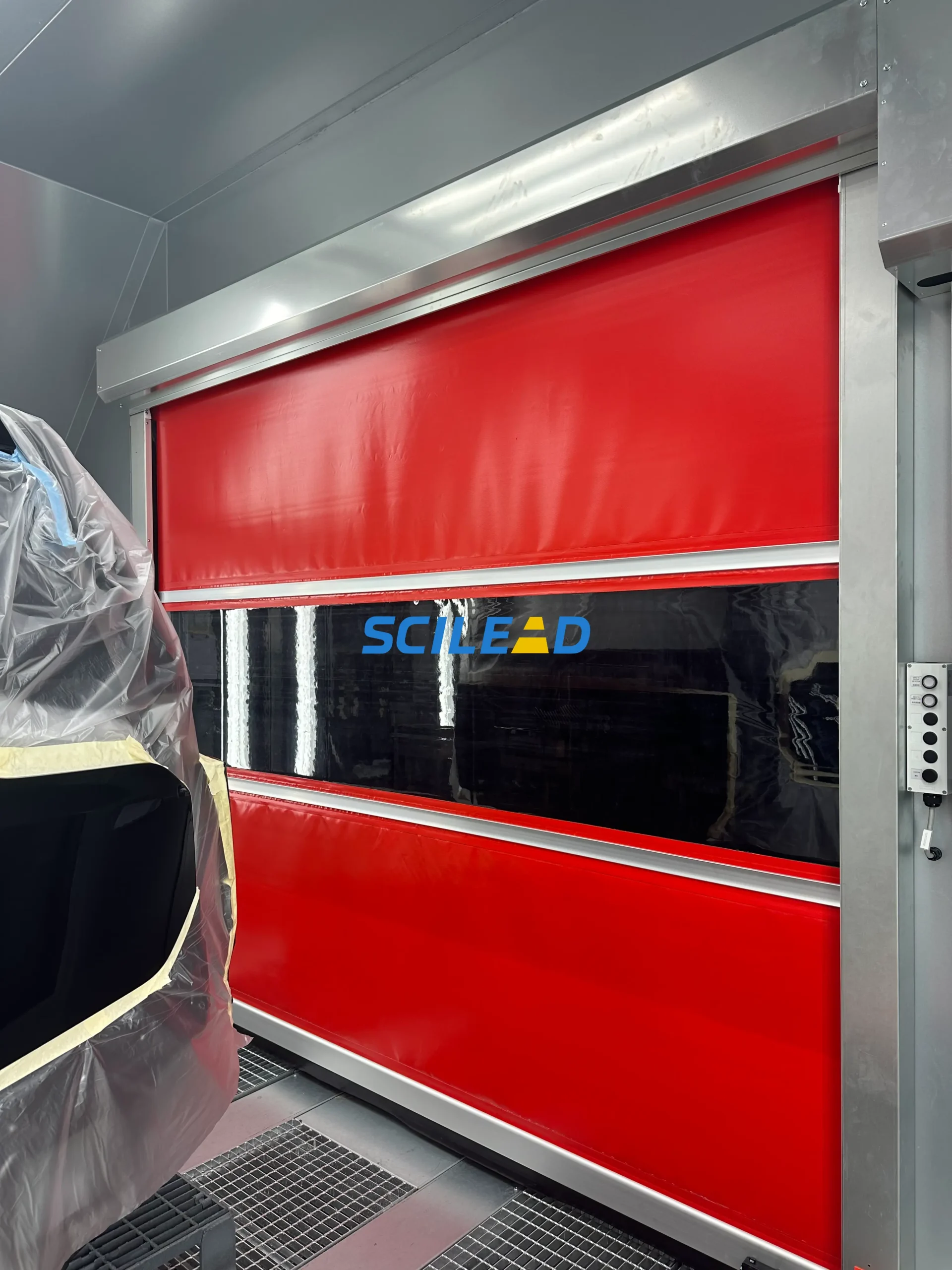
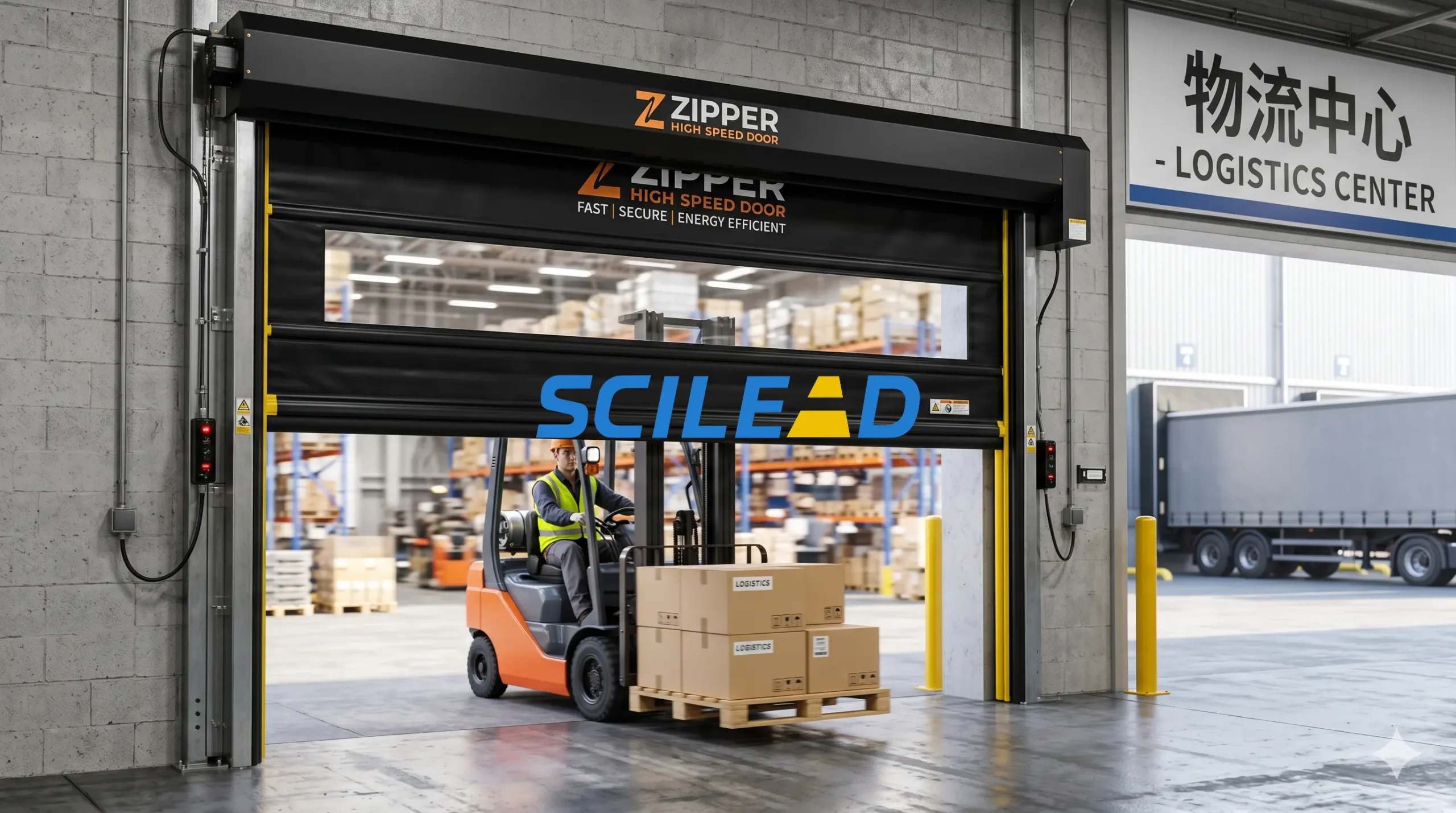
A high speed door can improve workflow, reduce energy loss, and support safer movement in industrial facilities. Before making a purchase, buyers should focus on the actual operating environment, door performance, and long-term reliability instead of looking at speed alone.
Contents
- 1. Application and Operating Environment
- 2. Opening Speed and Traffic Frequency
- 3. Door Material and Structural Strength
- 4. Sealing and Insulation Performance
- 5. Safety Features and Control Options
- 6. Maintenance Requirements and Lifecycle Cost
- 7. Supplier Experience and Product Range
- FAQ
1. Application and Operating Environment
The first step before buying a high speed door is to define where it will be installed. Different sites have different requirements. A warehouse passage, loading bay, cleanroom, cold storage area, and production line do not use the same type of industrial high speed door.
For example, logistics routes usually require fast opening, stable operation, and efficient traffic flow.
2. Opening Speed and Traffic Frequency
A high speed door should match the daily traffic volume of the site. Fast opening and closing can reduce waiting time, limit air exchange, and improve operating efficiency. However, the more important point is whether the door can keep stable performance under frequent use.
In many indoor applications, a PVC high speed door is used because it is practical for repeated cycles and routine passage control. When buyers compare models, they should look beyond peak speed claims and focus on actual cycle frequency, response consistency, and suitability for daily operations.
3. Door Material and Structural Strength
Door material affects durability, impact resistance, and long-term performance. Flexible curtain doors are often suitable for interior passages, while more demanding conditions may require a stronger structure. If the opening is large, security is important, or the site experiences heavier wear, structure becomes a major buying factor.
For higher rigidity and stronger construction, a metal spiral high speed door may be a better option. For locations exposed to stronger air pressure or external wind, a wind resistant high speed door is often more appropriate.
4. Sealing and Insulation Performance
Good sealing helps reduce dust, air leakage, and temperature transfer. This is especially important in facilities that require environmental control, product protection, or energy efficiency. A high speed door that opens quickly but seals poorly may still increase operating costs.
In cold chain or freezer applications, insulation becomes even more important. Buyers looking for a high speed door in temperature-controlled areas should evaluate the Cold Storage Insulated High-Speed Door category carefully. In these environments, sealing and insulation should be treated as core purchasing criteria.
5. Safety Features and Control Options
Safety is a basic requirement for any industrial high speed door. The system should protect pedestrians, forklifts, goods, and nearby equipment during operation. Common points to review include obstacle detection, emergency stop functions, photo sensors, and control reliability.
Buyers should also check whether the control method suits the site. Depending on the application, a high speed door may need radar activation, remote control, push-button operation, pull-cord control, or integration with access systems and automated workflows.
6. Maintenance Requirements and Lifecycle Cost
It is important to assess the total cost of ownership, not only the purchase price. A cheaper high speed door may lead to more downtime if parts wear quickly, repairs are frequent, or technical support is limited. Maintenance needs should always be considered before final selection.
A reliable high speed door supplier should help reduce these risks by recommending the right model for the job. If you already know your opening size, installation condition, or project target, you can contact SCILEAD directly through the Contact Us page for model matching and technical discussion.
7. Supplier Experience and Product Range
Not every project needs the same type of high speed door. A qualified supplier should offer multiple solutions for different industries and operating conditions. This gives buyers a better chance of selecting the right product instead of forcing one model into every application.
SCILEAD’s current website structure shows product categories covering cleanroom, cold storage, metal spiral, wind resistant, and PVC high speed doors, along with industry solution pages. This kind of range is useful because it allows buyers to compare products based on use case, not only on price or appearance.
Conclusion
Before you buy a high speed door, focus on seven practical factors: operating environment, traffic frequency, material strength, insulation, safety, maintenance, and supplier capability. A well-matched high speed door can improve efficiency, reduce energy loss, and support long-term reliability.
To compare available models, visit the Product Center. If you need help choosing the right industrial high speed door for your project, use the Contact Us page to discuss your requirements.
FAQ
What is the most important factor when buying a high speed door?
The most important factor is the application environment. The right high speed door should match the traffic level, temperature conditions, safety needs, and structural demands of the site.
Which high speed door is suitable for cold storage?
A cold storage high speed door with good sealing and insulation is generally the better choice for low-temperature areas. It helps reduce temperature loss and supports more stable environmental control.
Why does traffic frequency matter for a high speed door?
Traffic frequency affects wear, operating stability, and long-term maintenance cost. A door used many times each day must be designed for repeated cycles and consistent performance.
How do I choose a high speed door supplier?
Choose a supplier with a clear product range, relevant industry experience, and responsive technical support. It is better to work with a supplier that offers several door types for different applications instead of only one general model.