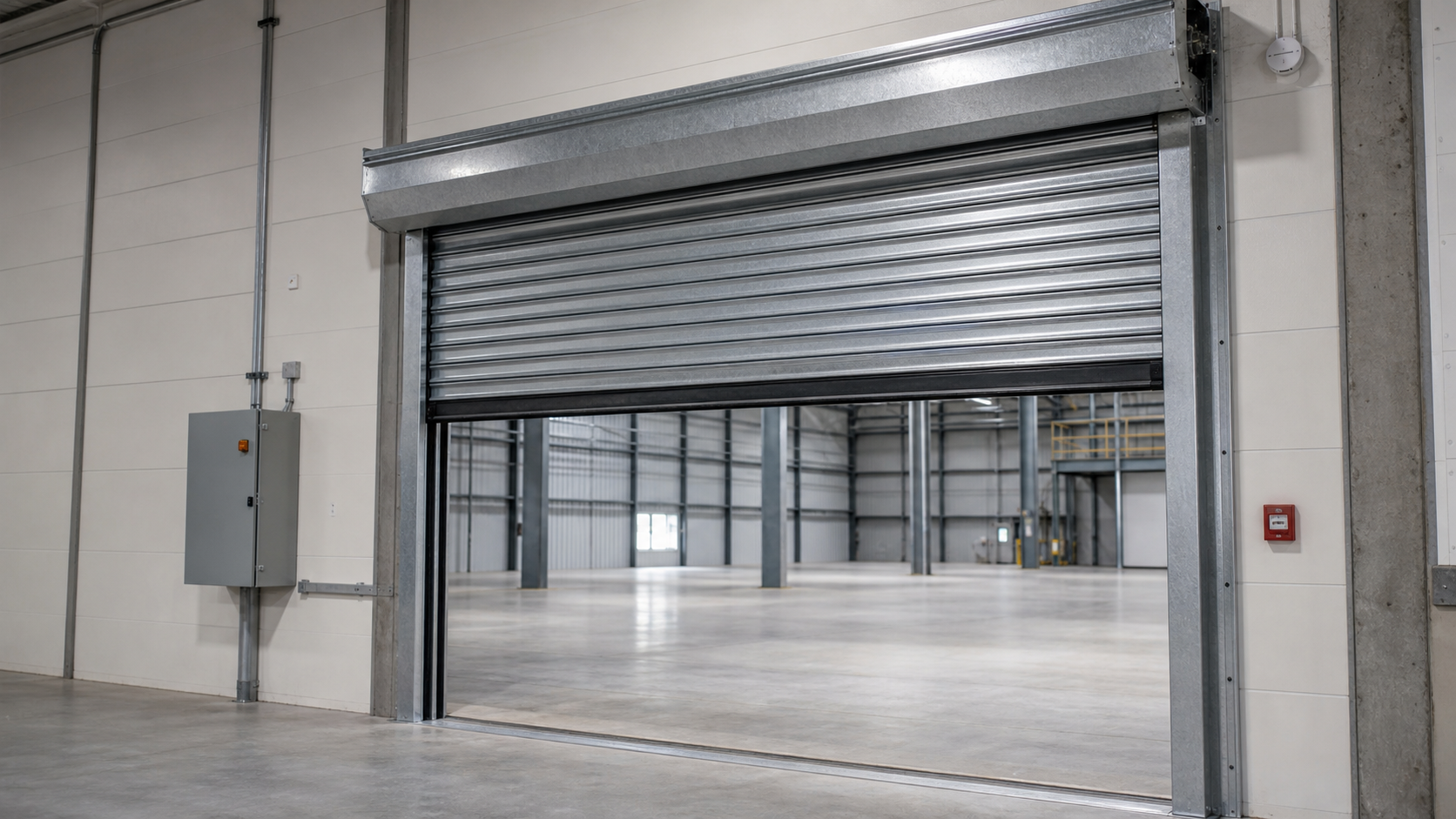
Cold storage doors and insulated doors are both designed to reduce heat transfer, but they are not the same. A cold storage door is built for temperature-controlled areas such as cold rooms, freezers, and refrigerated warehouses, while an insulated door is a broader category used in warehouses, factories, loading areas, and other industrial spaces where thermal protection is needed.
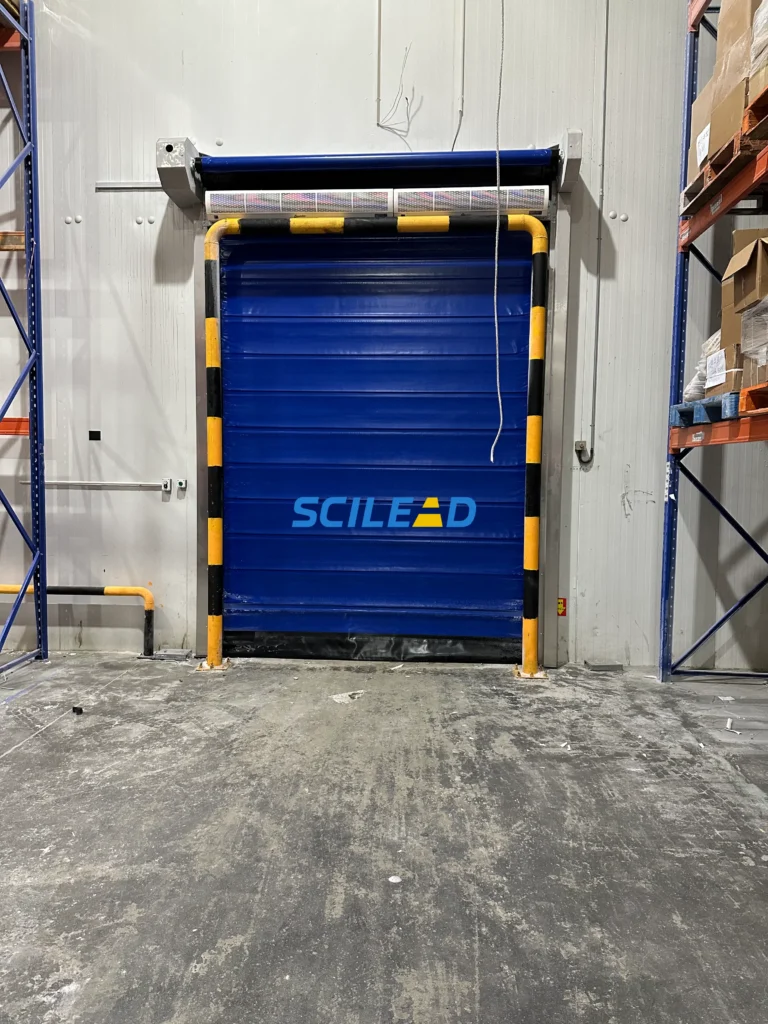
Table of Contents
- What Is a Cold Storage Door?
- What Is an Insulated Door?
- Cold Storage Door vs Insulated Door: Key Differences
- Temperature Control Requirements
- Sealing and Air Leakage
- Opening Speed and Energy Efficiency
- Common Applications
- Which Door Should You Choose?
- Conclusion
What Is a Cold Storage Door?
A cold storage door is a specialized industrial door used in refrigerated rooms, freezer rooms, cold chain logistics centers, food processing plants, and pharmaceutical storage areas. Its main purpose is to help maintain stable low temperatures and reduce the loss of cold air.
Compared with a standard industrial door, a cold storage door usually requires better insulation, tighter sealing, moisture resistance, and stable performance in low-temperature environments. For high-traffic cold storage areas, a cold storage insulated high-speed door can help reduce the time the doorway stays open.
What Is an Insulated Door?
An insulated door is a door designed with thermal insulation materials to reduce heat transfer between two spaces. It can be used in warehouses, workshops, logistics areas, cleanrooms, cold rooms, and temperature-sensitive production areas.
The term insulated door is broader than cold storage door. A cold storage door is usually insulated, but not every insulated door is suitable for cold storage or freezer applications.
Cold Storage Door vs Insulated Door: Key Differences
| Comparison Point | Cold Storage Door | Insulated Door |
|---|---|---|
| Main Purpose | Maintain low temperature and reduce cold air loss | Reduce heat transfer in general industrial spaces |
| Typical Use | Cold rooms, freezers, food storage, cold chain logistics | Warehouses, factories, workshops, loading areas |
| Temperature Requirement | Designed for chilled or freezing environments | Used for moderate temperature separation |
| Sealing Requirement | Very high sealing performance is required | Depends on the application |
| Moisture and Frost Resistance | Usually required | Not always required |
| Cost | Usually higher due to specialized design | Usually more flexible depending on structure and insulation level |
Temperature Control Requirements
The biggest difference between a cold storage door and an insulated door is the temperature requirement. Cold storage areas need stable low temperatures, so the door must limit heat exchange as much as possible.
An insulated door may only need to separate indoor and outdoor temperatures or improve comfort in a warehouse. However, a cold storage door must help protect stored goods, reduce compressor workload, and support stable refrigeration performance.
Sealing and Air Leakage
Cold storage doors require stronger sealing because even small air leakage can cause temperature fluctuation, condensation, frost, and higher energy costs. This is especially important in freezer rooms and cold chain facilities.
Insulated doors also reduce heat transfer, but their sealing level depends on the application. For example, a general insulated industrial door may be enough for a warehouse, but it may not be suitable for a freezer room with frequent forklift traffic.
Opening Speed and Energy Efficiency
Door opening speed is important in cold storage areas. The longer a door stays open, the more cold air escapes and warm air enters. This can increase energy consumption and affect product quality.
For busy areas, an insulated high-speed door can combine fast operation with thermal insulation. This makes it suitable for logistics centers, food processing areas, and temperature-controlled warehouses.
Common Applications
Cold Storage Door Applications
- Cold rooms
- Freezer rooms
- Food processing plants
- Cold chain logistics centers
- Pharmaceutical storage areas
- Refrigerated warehouses
Insulated Door Applications
- Industrial warehouses
- Manufacturing workshops
- Loading docks
- Temperature-separated production areas
- Energy-saving factory entrances
- Indoor and outdoor industrial openings
Which Door Should You Choose?
Choose a cold storage door if your facility needs strict temperature control, low-temperature operation, freezer protection, or cold chain storage. This type of door is better for areas where product safety and energy loss are major concerns.
Choose an insulated door if your goal is general thermal protection, energy saving, noise reduction, or better indoor comfort in an industrial space. It is suitable for many factories and warehouses where extreme low-temperature control is not required.
If your facility has both frequent traffic and temperature control needs, a cold storage insulated high-speed door may be the better choice. It helps reduce air exchange while keeping workflow efficient.
Conclusion
The main difference between a cold storage door and an insulated door is application. A cold storage door is designed for refrigerated and freezer environments, while an insulated door is a broader solution for reducing heat transfer in industrial buildings.
For cold rooms, freezers, food storage, and cold chain logistics, cold storage doors offer better sealing, insulation, and low-temperature performance. For general warehouses and factories, insulated doors may provide enough thermal protection at a more flexible cost.
To choose the right door, consider your temperature range, traffic frequency, sealing requirements, energy-saving goals, and installation environment. For professional industrial access solutions, visit SCILEAD or explore its Cold Storage Insulated High-Speed Door Series.