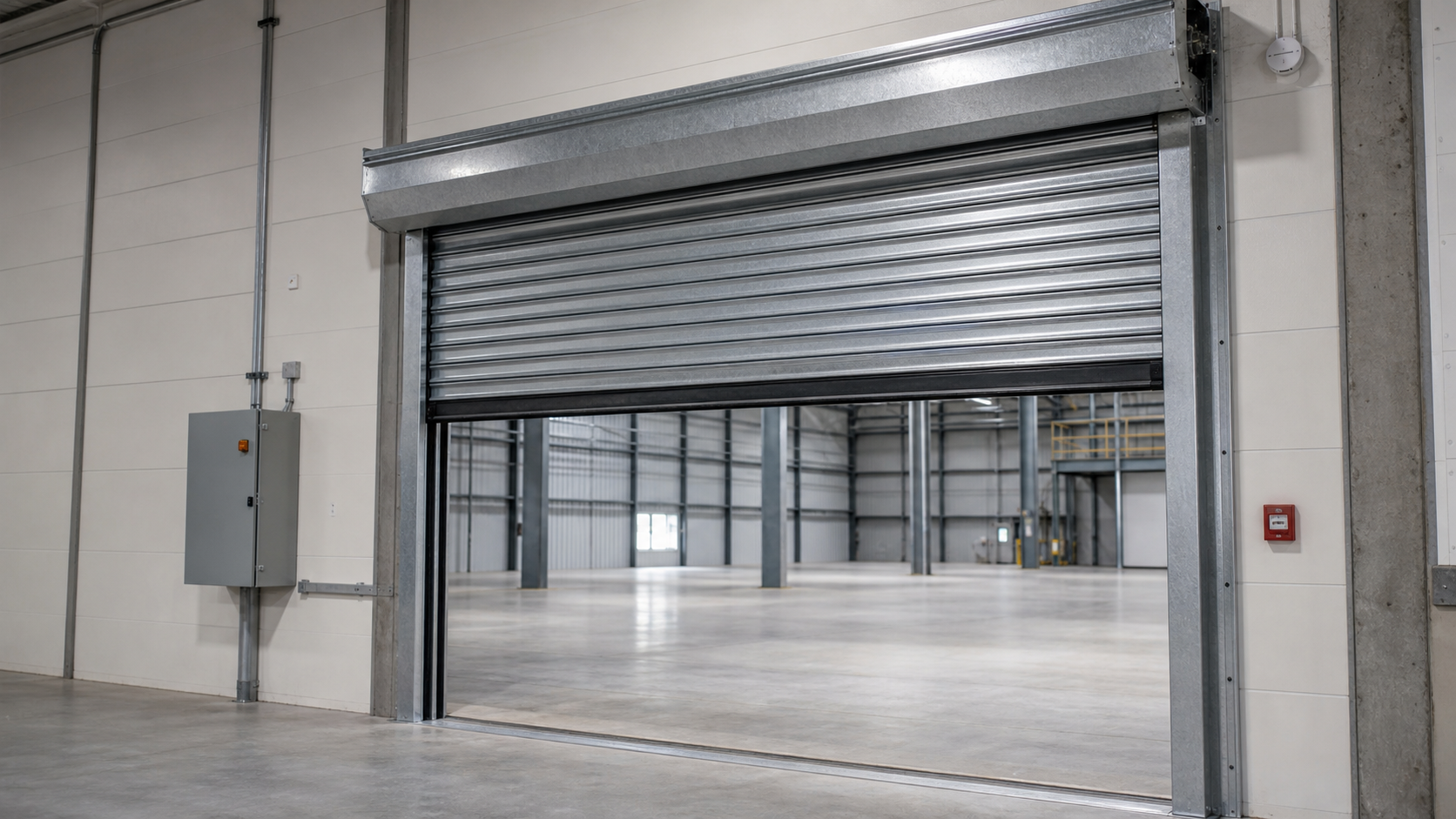
Choosing the right high speed door is essential for improving productivity, energy efficiency, workplace safety, and environmental control in industrial facilities. This guide explains the key factors to consider before purchasing a high speed door, compares available options, and helps you select the most suitable solution for your application.
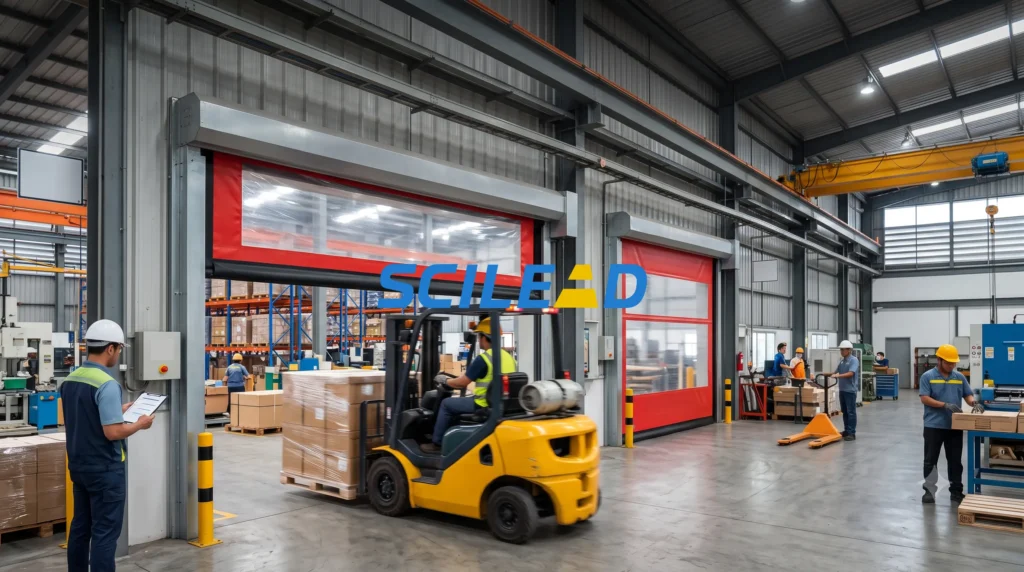
Table of Contents
- Why Industrial Facilities Use High Speed Doors
- Common Industrial Applications
- Types of High Speed Doors
- Key Factors When Buying a High Speed Door
- Choosing the Right Door Material
- Essential Safety Features
- Installation and Maintenance
- High Speed Door Comparison
- Frequently Asked Questions
- Conclusion
Why Industrial Facilities Use High Speed Doors
A high speed door is designed to open and close much faster than conventional industrial doors. By reducing the time that door openings remain exposed, a high speed door helps maintain indoor temperatures, improves workflow, minimizes dust entry, and enhances security.
Industrial facilities commonly install high speed doors to:
- Reduce energy loss
- Increase operational efficiency
- Improve traffic flow
- Maintain cleanroom or hygienic environments
- Enhance employee safety
- Lower long-term operating costs
Common Industrial Applications
Different industries require different types of high speed doors. Typical applications include:
- Manufacturing plants
- Warehouses and logistics centers
- Food processing facilities
- Cold storage warehouses
- Pharmaceutical production
- Automotive factories
- Chemical processing plants
- Distribution centers
Each environment has unique requirements regarding temperature control, traffic frequency, hygiene standards, and wind resistance.
Types of High Speed Doors
PVC Roll-Up High Speed Doors
PVC roll-up doors are among the most popular high speed door options. They provide fast operation, low maintenance, and excellent energy efficiency for indoor applications.
High Speed Spiral Doors
Spiral doors feature insulated aluminum panels and are ideal for facilities requiring thermal insulation, security, and high operating speeds.
High Speed Freezer Doors
Designed for cold storage environments, freezer doors minimize frost buildup while maintaining consistent temperatures.
Clean Room High Speed Doors
These doors help maintain positive pressure and reduce contamination in pharmaceutical, electronics, and medical manufacturing.
You can explore additional industrial high speed door products based on your facility requirements.
Key Factors When Buying a High Speed Door
1. Opening Speed
The primary advantage of a high speed door is rapid opening and closing. Faster operation reduces waiting time and energy loss.
2. Traffic Frequency
Facilities with frequent forklift traffic should choose doors designed for high-duty cycles with durable drive systems.
3. Insulation Performance
For temperature-controlled environments, select insulated high speed doors with low thermal conductivity.
4. Wind Resistance
Exterior installations require doors capable of resisting strong winds while maintaining structural stability.
5. Safety Features
Modern high speed doors should include multiple safety devices to reduce collision risks.
6. Maintenance Requirements
Select a high speed door with reliable components, easy maintenance access, and readily available replacement parts.
Choosing the Right Door Material
| Material | Advantages | Recommended Applications |
|---|---|---|
| PVC Fabric | Lightweight, economical, fast operation | Warehouses, logistics, manufacturing |
| Aluminum Panels | Excellent insulation, security | Exterior industrial entrances |
| Stainless Steel | Corrosion resistance, hygiene | Food processing, pharmaceutical facilities |
| Transparent PVC | High visibility | Forklift traffic areas |
Essential Safety Features
Every industrial high speed door should include comprehensive safety systems, including:
- Photoelectric safety sensors
- Bottom safety edge
- Emergency manual opening
- Obstacle detection
- Automatic reversing function
- Warning lights
These features help protect personnel, vehicles, and equipment during daily operation.
Installation and Maintenance
Proper installation significantly affects the performance and lifespan of a high speed door.
Before installation, verify:
- Available headroom
- Side clearance
- Power supply
- Floor levelness
- Operating environment
Routine maintenance should include:
- Cleaning door curtains
- Inspecting sensors
- Checking motor performance
- Lubricating moving components where applicable
- Testing emergency functions
High Speed Door Comparison
| Feature | PVC Roll-Up Door | Spiral Door | Freezer Door |
|---|---|---|---|
| Opening Speed | Excellent | Excellent | Very Good |
| Thermal Insulation | Moderate | Excellent | Excellent |
| Security | Moderate | Excellent | Good |
| Maintenance | Low | Low | Moderate |
| Typical Use | Indoor | Exterior | Cold Storage |
Frequently Asked Questions
How fast does a high speed door open?
Most industrial high speed doors operate between 0.8 and 2.5 meters per second, depending on the model.
Are high speed doors energy efficient?
Yes. Faster opening and closing significantly reduce conditioned air loss, helping lower heating and cooling costs.
Which industries benefit most from high speed doors?
Manufacturing, logistics, food processing, pharmaceutical, cold storage, and automotive industries all benefit from high speed doors.
How long does a high speed door last?
With proper maintenance, a high-quality industrial high speed door can provide many years of reliable service under heavy-duty operation.
Conclusion
Selecting the right high speed door requires evaluating operating speed, traffic volume, insulation, safety features, durability, and maintenance requirements. By matching the door type to your facility’s operating conditions, you can improve efficiency, reduce energy consumption, and enhance workplace safety.
For customized industrial high speed door solutions, explore the complete range of products available at Scilead Door or review specialized high speed door systems for your specific application.