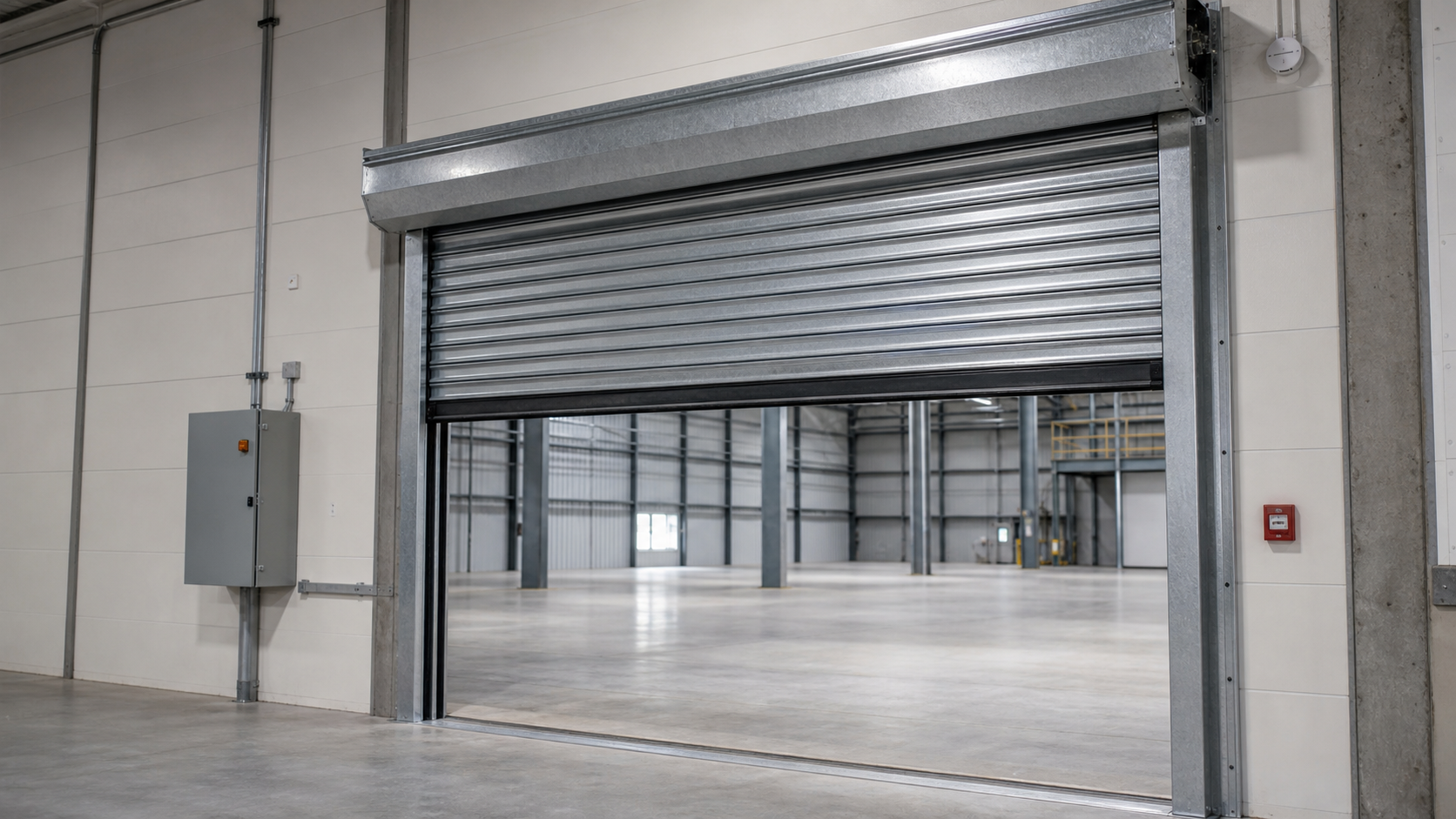
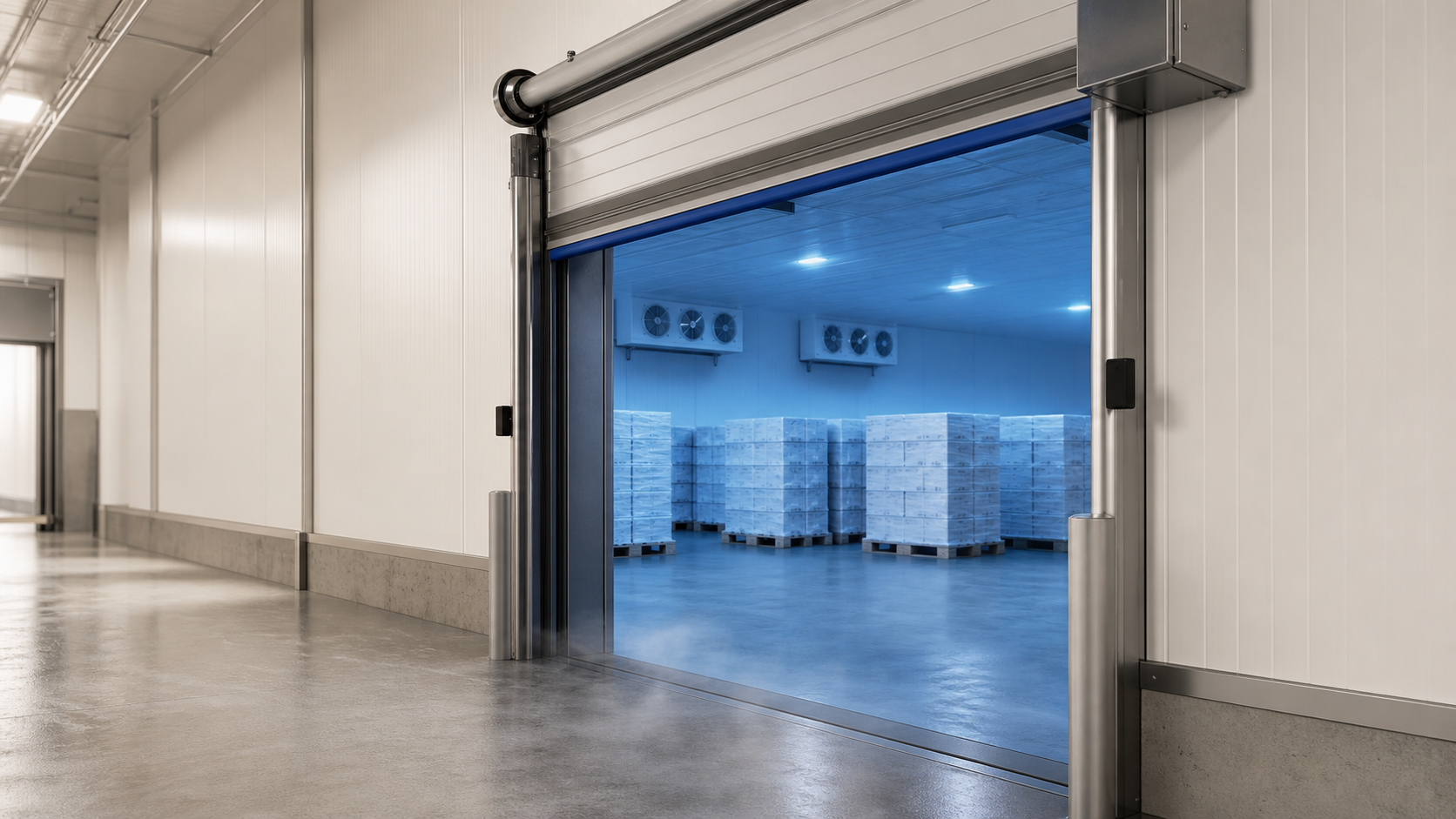
A self-repairing high speed door is a fast industrial door designed to automatically reset its curtain after accidental impact. It helps reduce downtime, maintenance costs, and operational interruptions in busy facilities such as warehouses, logistics centers, cold rooms, food processing areas, and clean industrial environments.
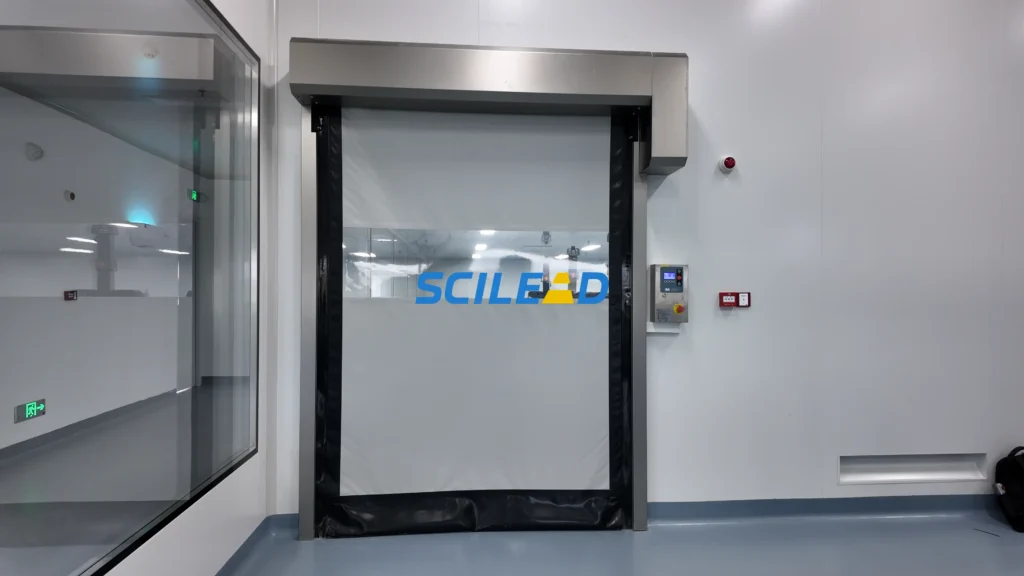
Table of Contents
- What Is a Self-Repairing High Speed Door?
- How Does It Work?
- Main Benefits of Self-Repairing High Speed Doors
- Common Applications
- Self-Repairing vs Standard High Speed Door
- Key Features to Consider
- Maintenance Requirements
- Choosing the Right Self-Repairing High Speed Door
What Is a Self-Repairing High Speed Door?
A self-repairing high speed door is a high speed roll up door with a flexible curtain that can reinsert itself into the side guides after being hit. When a forklift, pallet, or moving object accidentally pushes the curtain out of its tracks, the door can return to normal operation during the next opening and closing cycle.
This type of high speed door is especially useful in areas with frequent vehicle traffic, where accidental impacts are common. Instead of stopping operations for manual repair, the self-repairing system helps keep workflow moving.
How Does It Work?
The door uses a flexible PVC curtain, side guide system, and automatic reset design. When the curtain is displaced by impact, it separates from the guide without serious damage. During the next operating cycle, the curtain aligns back into the side guides and continues working.
Most self-repairing high speed doors are equipped with safety sensors, a control box, and a fast motor system. These components help the door open and close quickly while protecting people, vehicles, and goods.
Main Benefits of Self-Repairing High Speed Doors
The biggest benefit of a self-repairing high speed door is reduced downtime. In busy warehouses and production areas, even a short door failure can delay logistics, temperature control, and production schedules.
Key benefits include:
- Automatic curtain reset after accidental impact
- Lower repair and maintenance costs
- Improved safety for forklift and vehicle traffic
- Fast opening and closing speed
- Better dust, airflow, and temperature control
- Reduced interruption in daily operations
For businesses that require reliable access control, a high speed door with a self-repairing function can be a practical long-term investment.
Common Applications
Self-repairing high speed doors are widely used in industrial and commercial facilities where doors operate frequently throughout the day. They are suitable for both interior and controlled environment applications.
Common applications include:
- Warehouses and distribution centers
- Logistics loading areas
- Food processing facilities
- Cold storage transition areas
- Pharmaceutical workshops
- Clean industrial rooms
- Manufacturing plants
- Automotive workshops
For cold chain or temperature-sensitive areas, a cold storage door may also be considered depending on insulation requirements.
Self-Repairing vs Standard High Speed Door
A standard high speed door offers fast operation, but it may require manual adjustment or repair when the curtain is hit and leaves the side tracks. A self-repairing high speed door is designed to solve this issue by automatically returning the curtain to its correct position.
The main difference is impact recovery. Standard doors may be suitable for low-risk areas, while self-repairing doors are better for busy passages with frequent forklift or pallet traffic.
If the door opening is used many times per day, the self-repairing design can help reduce unexpected service calls and improve operational efficiency.
Key Features to Consider
When choosing a self-repairing high speed door, it is important to check both the mechanical structure and the control system. A good door should be fast, safe, durable, and easy to maintain.
Important features include:
- Self-repairing curtain system
- Durable PVC curtain material
- Reliable side guide structure
- Fast opening and closing speed
- Safety photo sensors or light curtain protection
- Emergency stop function
- Wind resistance level based on site conditions
- Control options such as radar, loop detector, pull cord, or remote control
For areas that need frequent access and fast separation, a high speed roll up door is often a suitable option.
Maintenance Requirements
A self-repairing high speed door requires less repair after impact, but regular maintenance is still necessary. Routine inspection helps ensure stable performance and longer service life.
Basic maintenance includes checking the curtain, side guides, motor, control box, safety sensors, and fasteners. Dust and debris should be removed from the guide area to prevent operating problems.
Regular maintenance also helps identify wear before it becomes a serious failure. This is especially important in facilities where the door opens and closes hundreds of times per day.
Choosing the Right Self-Repairing High Speed Door
The right self-repairing high speed door depends on the working environment, opening size, traffic frequency, wind pressure, temperature requirements, and safety needs. For example, a warehouse passage may need fast traffic flow, while a food processing area may require better hygiene and sealing performance.
Before selecting a door, consider:
- Door opening width and height
- Indoor or outdoor installation
- Traffic type and frequency
- Risk of forklift impact
- Required sealing performance
- Temperature and cleanliness requirements
- Available installation space
SCILEAD provides industrial high speed door solutions for different working environments. If your facility needs a fast, safe, and impact-resistant door, a self-repairing high speed door can help improve daily efficiency and reduce maintenance downtime.