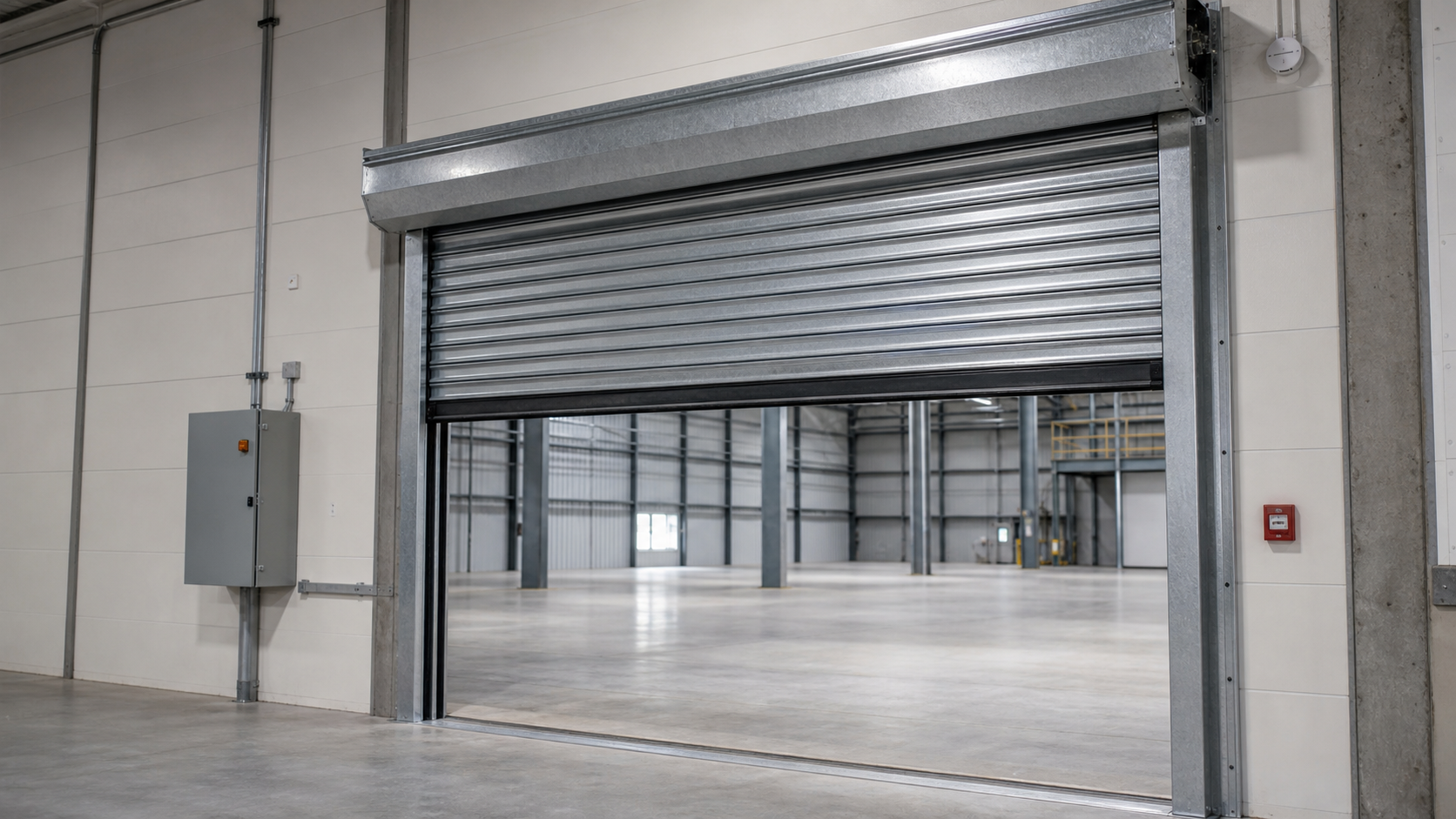
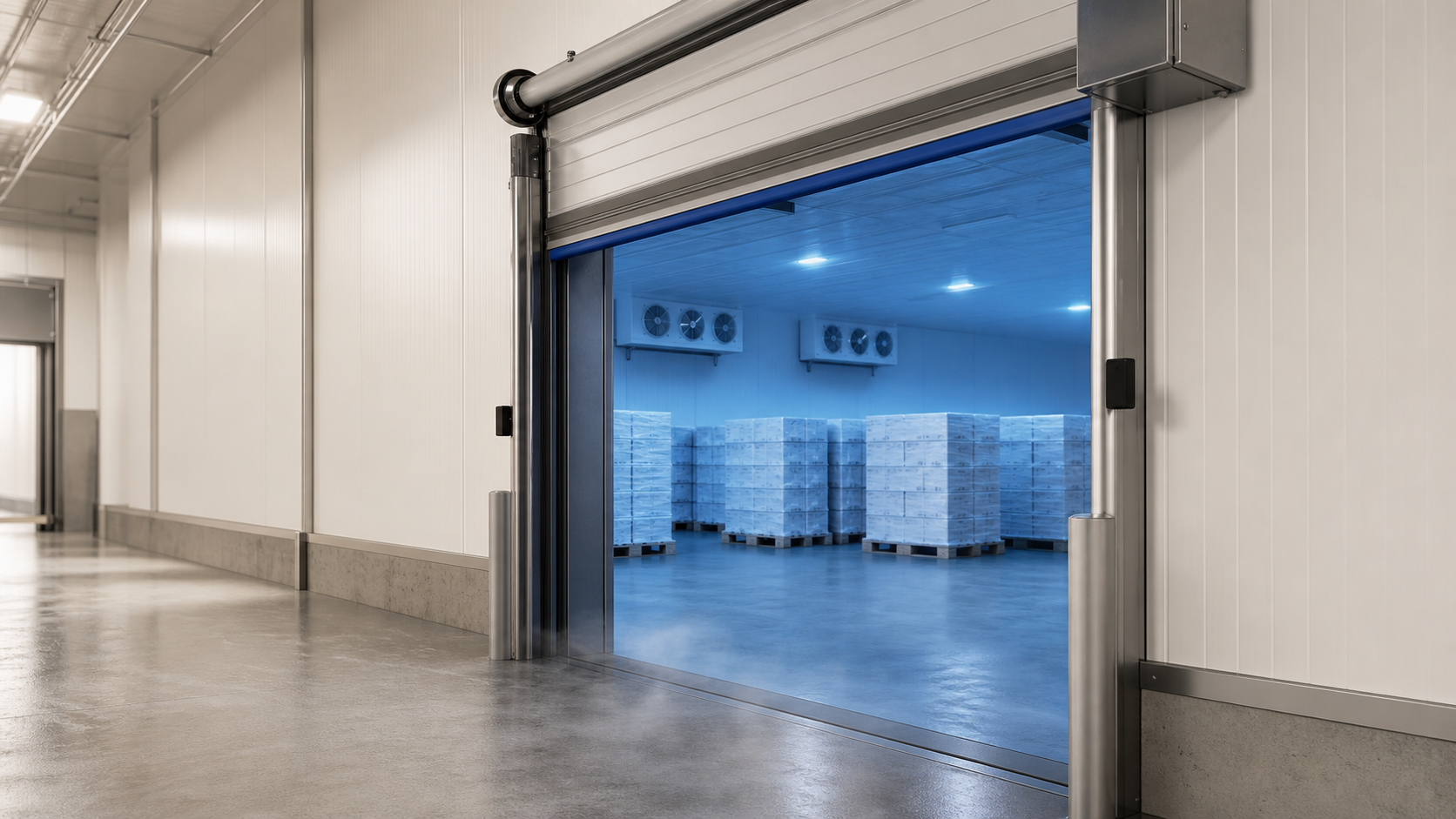
Cleanrooms need high speed doors to control air exchange, reduce contamination risk, improve workflow, and support stable pressure and temperature conditions. For industries such as pharmaceuticals, electronics, food processing, medical devices, and precision manufacturing, the right cleanroom door is an important part of the contamination control system.
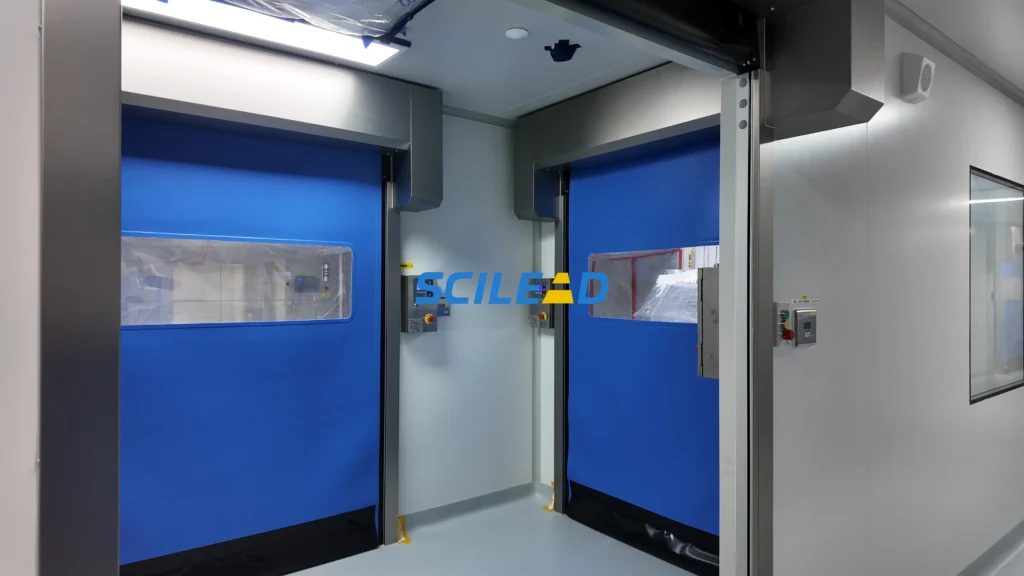
Table of Contents
- Cleanroom Control Requirements
- Reducing Airflow and Contamination
- Maintaining Pressure Stability
- Supporting Temperature and Humidity Control
- Improving Traffic Efficiency
- Hygienic and Easy-to-Clean Design
- Safety and Reliable Operation
- How to Choose a Cleanroom High Speed Door
- Conclusion
Cleanroom Control Requirements
A cleanroom is designed to control airborne particles, airflow, pressure, temperature, humidity, and hygiene conditions. Every door opening can disturb this controlled environment. If the door opens slowly or stays open too long, outside air, dust, moisture, and microorganisms may enter the cleanroom area.
This is why many facilities use high speed doors instead of traditional industrial doors. A high speed door opens and closes quickly, helping reduce exposure time between clean and non-clean areas.
Reducing Airflow and Contamination
One of the main reasons cleanrooms need high speed doors is contamination control. When a door remains open for a long time, uncontrolled air can move into the cleanroom. This may carry dust, particles, insects, bacteria, or chemical residues.
A cleanroom high speed door reduces the opening time and limits air exchange. This helps protect sensitive production areas and supports cleaner working conditions. In facilities with frequent personnel, carts, forklifts, or automated transport systems, fast door movement is especially important.
Maintaining Pressure Stability
Many cleanrooms use positive or negative air pressure to control the direction of airflow. Positive pressure helps keep contaminants out, while negative pressure helps contain hazardous materials inside a controlled area.
Slow doors can cause pressure loss during every opening cycle. High speed doors help reduce this pressure fluctuation by closing quickly after traffic passes through. This makes them suitable for cleanroom entrances, airlocks, buffer rooms, pharmaceutical areas, laboratories, and production zones.
Supporting Temperature and Humidity Control
Cleanrooms often require stable temperature and humidity. Long door opening times can allow warm air, cold air, or moisture to enter the controlled space. This increases the load on HVAC systems and may affect product quality.
High speed doors help minimize air loss and support energy efficiency. For cleanrooms connected to cold rooms, packaging areas, or temperature-sensitive production lines, a fast-acting door can help maintain a more stable indoor environment.
Improving Traffic Efficiency
Cleanrooms often have regular movement of people, equipment, raw materials, and finished products. A slow door can create waiting time and reduce productivity. It may also encourage workers to leave doors open, which increases contamination risk.
A high speed door improves workflow by opening quickly and closing automatically. This is useful for pharmaceutical factories, electronics workshops, food processing plants, medical device facilities, and other controlled manufacturing environments.
Hygienic and Easy-to-Clean Design
Cleanroom doors should be easy to clean and suitable for hygienic areas. Smooth surfaces, sealed edges, and corrosion-resistant materials help reduce dust accumulation and make routine cleaning easier.
Depending on the application, a cleanroom high speed door may use PVC curtain material, stainless steel components, sealed side guides, automatic sensors, and a compact structure. These features help support hygiene management and reduce maintenance difficulty.
Safety and Reliable Operation
Cleanroom high speed doors should not only open quickly but also operate safely. Common safety features include photoelectric sensors, radar sensors, bottom safety edges, emergency opening systems, and soft curtain materials.
Reliable operation is important because cleanroom traffic is often continuous. A door failure may interrupt production, affect environmental control, or create hygiene risks. Choosing a durable and well-designed industrial high speed door can reduce downtime and improve long-term performance.
How to Choose a Cleanroom High Speed Door
When selecting a high speed door for a cleanroom, consider the cleanroom grade, door size, traffic frequency, sealing requirements, air pressure difference, temperature conditions, cleaning method, and automation needs.
For general cleanroom access, a PVC high speed roll up door may be suitable. For areas with strict sealing or frequent washing, stainless steel components and enhanced sealing may be required. For temperature-controlled cleanrooms, insulation and air leakage control should also be considered.
If your facility needs a customized cleanroom door solution, you can visit Scilead Door to learn more about high speed door options for industrial and controlled environments.
Conclusion
Cleanrooms need high speed doors because they help reduce contamination, maintain pressure stability, control temperature and humidity, improve traffic efficiency, and support hygienic operation. Compared with traditional doors, high speed doors are better suited for controlled environments with frequent movement and strict cleanliness requirements.
For cleanrooms in pharmaceuticals, electronics, food, medical devices, and precision manufacturing, choosing the right high speed door can improve environmental control, reduce energy loss, and support safer production.