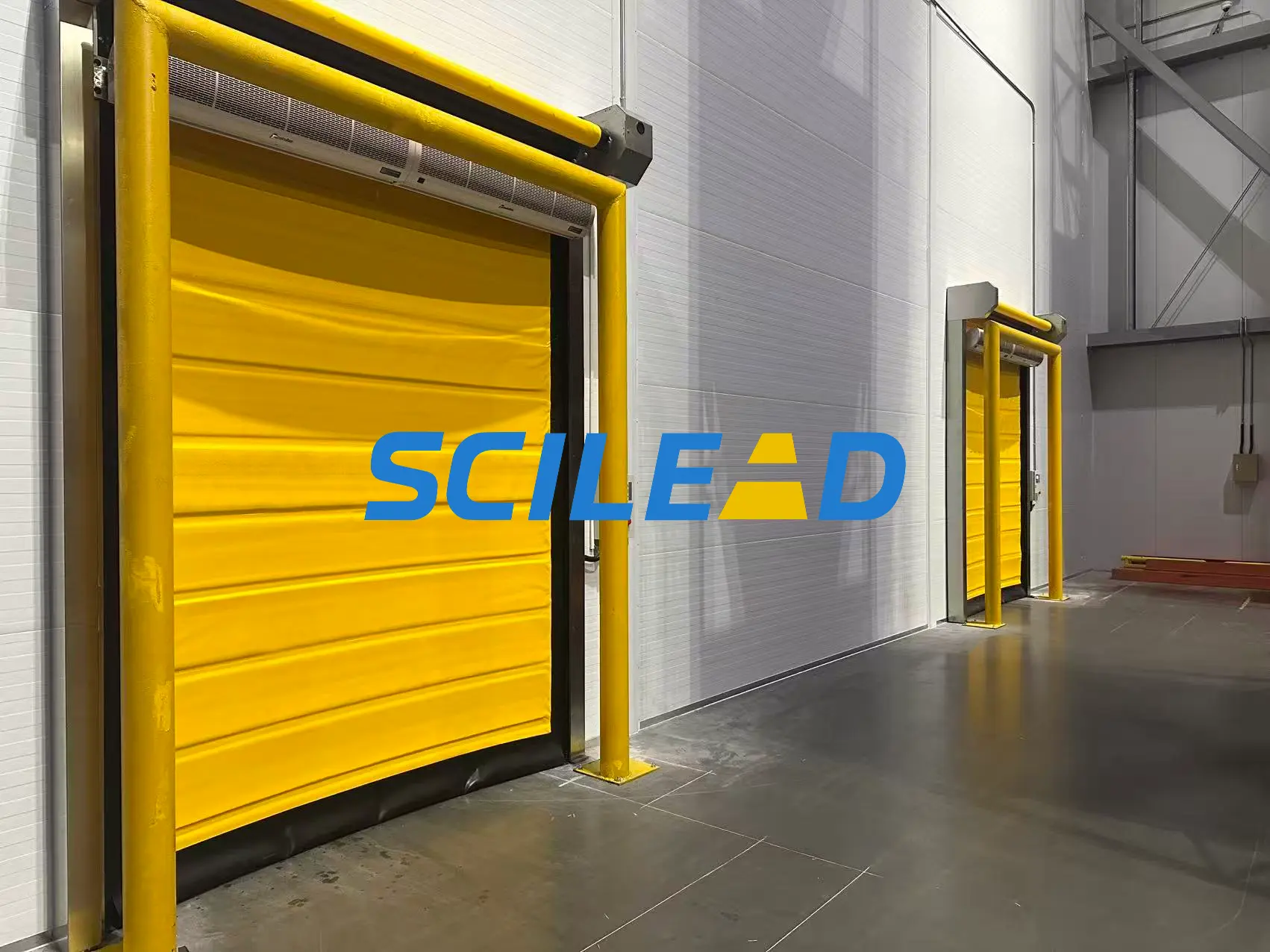
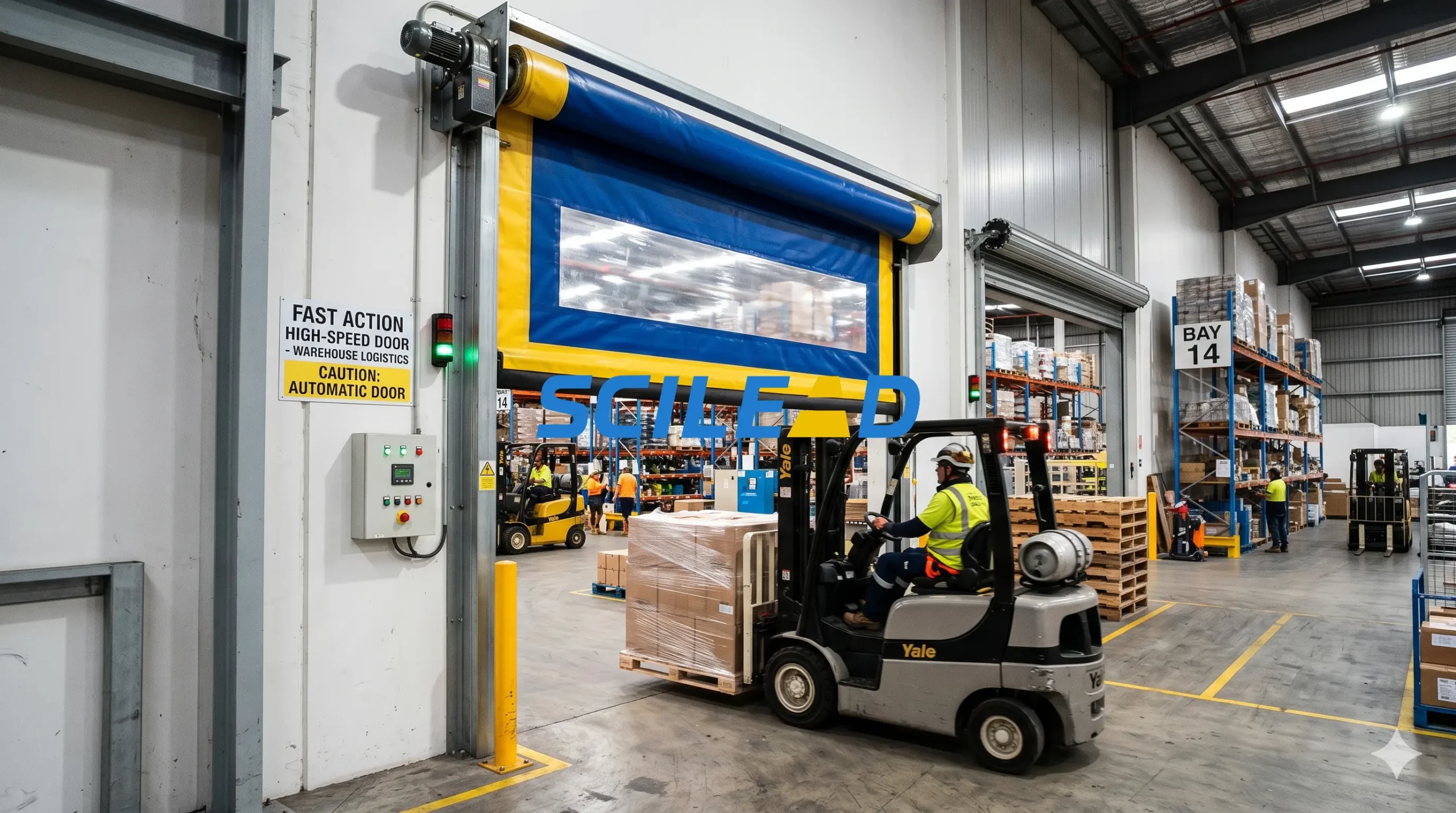
When comparing a high speed door vs traditional roller door, the better choice depends on traffic frequency, temperature control, hygiene, wind load, and long-term operating cost. In most industrial settings with frequent openings, a high speed door performs better because it opens faster, seals better, improves workflow, and helps reduce energy loss.
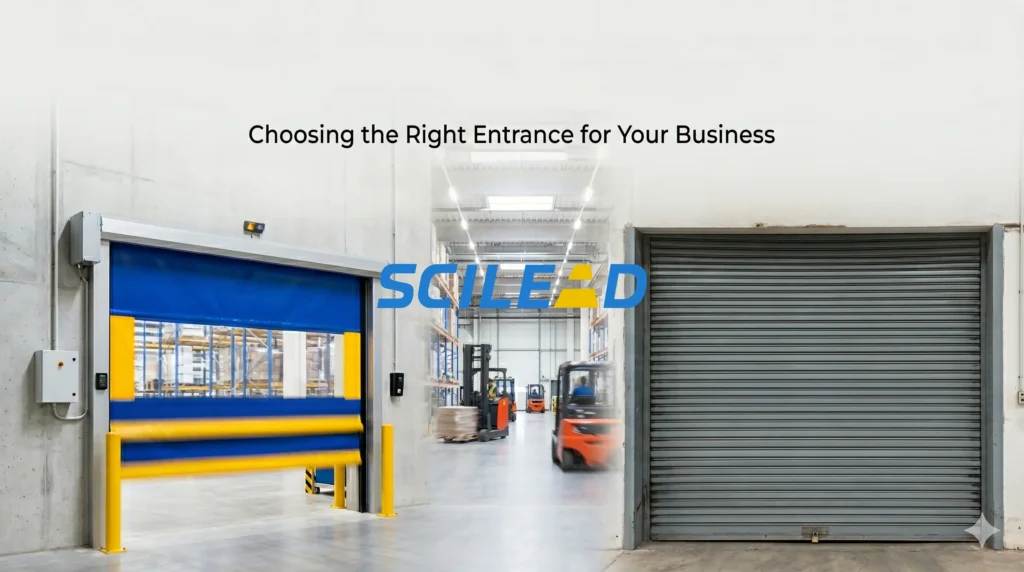
Table of Contents
- What Is the Difference Between a High Speed Door and a Traditional Roller Door?
- Speed and Traffic Efficiency
- Sealing and Energy Efficiency
- Safety and Reliability
- Maintenance and Lifespan
- Best Application Scenarios
- Cost Comparison
- Which Door Is Better?
- Related Internal Links
What Is the Difference Between a High Speed Door and a Traditional Roller Door?
The main difference in a high speed door vs traditional roller door comparison is operating performance. A high speed door is designed for frequent cycles, faster opening and closing, better sealing, and safer operation in busy industrial environments. A traditional roller door is usually simpler and lower in upfront cost, but it is slower and less effective at controlling airflow, dust, temperature, and traffic flow.
For warehouses, cleanrooms, cold storage areas, and production lines, this difference directly affects efficiency and operating cost.
Speed and Traffic Efficiency
In terms of speed, a high speed door is clearly better. It is built for rapid opening and closing, which helps forklifts, AGVs, and staff move through openings with less waiting time. A traditional roller door opens more slowly, which can create delays in logistics zones and high-traffic passages.
Faster cycling also means the door stays open for less time. This helps maintain internal conditions and supports smoother production flow. If your facility has repeated daily traffic, a high speed door is usually the more practical solution.
Sealing and Energy Efficiency
In a high speed door vs traditional roller door evaluation, sealing performance is one of the biggest factors. A high speed door generally provides tighter sealing around the curtain and side guides. This helps reduce dust entry, air exchange, and temperature loss.
A traditional roller door can work for basic access control, but it usually does less to prevent drafts, contamination, and thermal leakage. In cooled or temperature-sensitive spaces, that can increase energy consumption over time.
For temperature-controlled spaces, explore Cold Storage Insulated High-Speed Door Series and Why Cold Storage Needs High Speed Doors.
Safety and Reliability
A modern high speed door usually includes more advanced safety features, such as sensors, soft bottom edges, and automatic stop or reverse functions. These features help reduce collision risk in busy work areas. This is especially useful where forklifts, pallet trucks, and automated equipment operate near the opening.
A traditional roller door may be adequate for lower-traffic areas, but it is often less responsive and not optimized for repeated, fast-cycle operation. In demanding environments, that can affect both safety and uptime.
For controlled environments with stricter safety and cleanliness needs, visit Cleanroom High-Speed Door Series.
Maintenance and Lifespan
The better option also depends on usage frequency. A high speed door is engineered for more opening cycles, which makes it more suitable for intensive daily use. Although the initial investment is higher, it is often the more durable choice in facilities where the door operates many times per hour.
A traditional roller door may be enough for occasional access points, but in high-use areas it can become less efficient over time. Slow movement, wear under frequent cycling, and weaker environmental control can increase operating costs indirectly.
Best Application Scenarios
A high speed door is generally better for:
- Warehouses and logistics centers
- Cold storage rooms
- Cleanrooms and pharmaceutical workshops
- Food processing areas
- Production lines with frequent traffic
- Sites that need better environmental separation
A traditional roller door is often acceptable for:
- Low-frequency access points
- Basic perimeter closure
- Projects with a tighter initial budget
- Areas where speed and sealing are not critical
For industry-specific solutions, see Industry Solutions, Cleanroom High-Speed Door Series, and Cold Storage Insulated High-Speed Door Series.
Cost Comparison
In a simple purchase comparison, a traditional roller door usually costs less upfront. However, the full high speed door vs traditional roller door comparison should include energy loss, workflow delays, maintenance frequency, and productivity impact.
In many industrial settings, a high speed door offers better total value because it helps reduce temperature loss, shortens waiting time, and supports smoother operations. Over time, these advantages can offset the higher initial cost.
Which Door Is Better?
If the question is high speed door vs traditional roller door, the better option for most industrial facilities is the high speed door. It is better for speed, sealing, energy efficiency, traffic flow, and demanding operating conditions.
A traditional roller door can still be suitable where traffic is low and performance requirements are basic. But when uptime, cleanliness, temperature control, and efficiency matter, a high speed door is usually the stronger long-term choice.
If you are selecting a door for a warehouse, cleanroom, or cold chain facility, start with the Product Center or Contact Us for project advice.