Table of Contents
- Standard High Speed Door Speed
- High Speed Door Speed by Door Type
- Opening Speed vs Closing Speed
- What Affects High Speed Door Speed?
- Why Door Speed Matters
- Where Fast High Speed Doors Are Used
- How to Choose the Right Door Speed
- Conclusion
Standard High Speed Door Speed
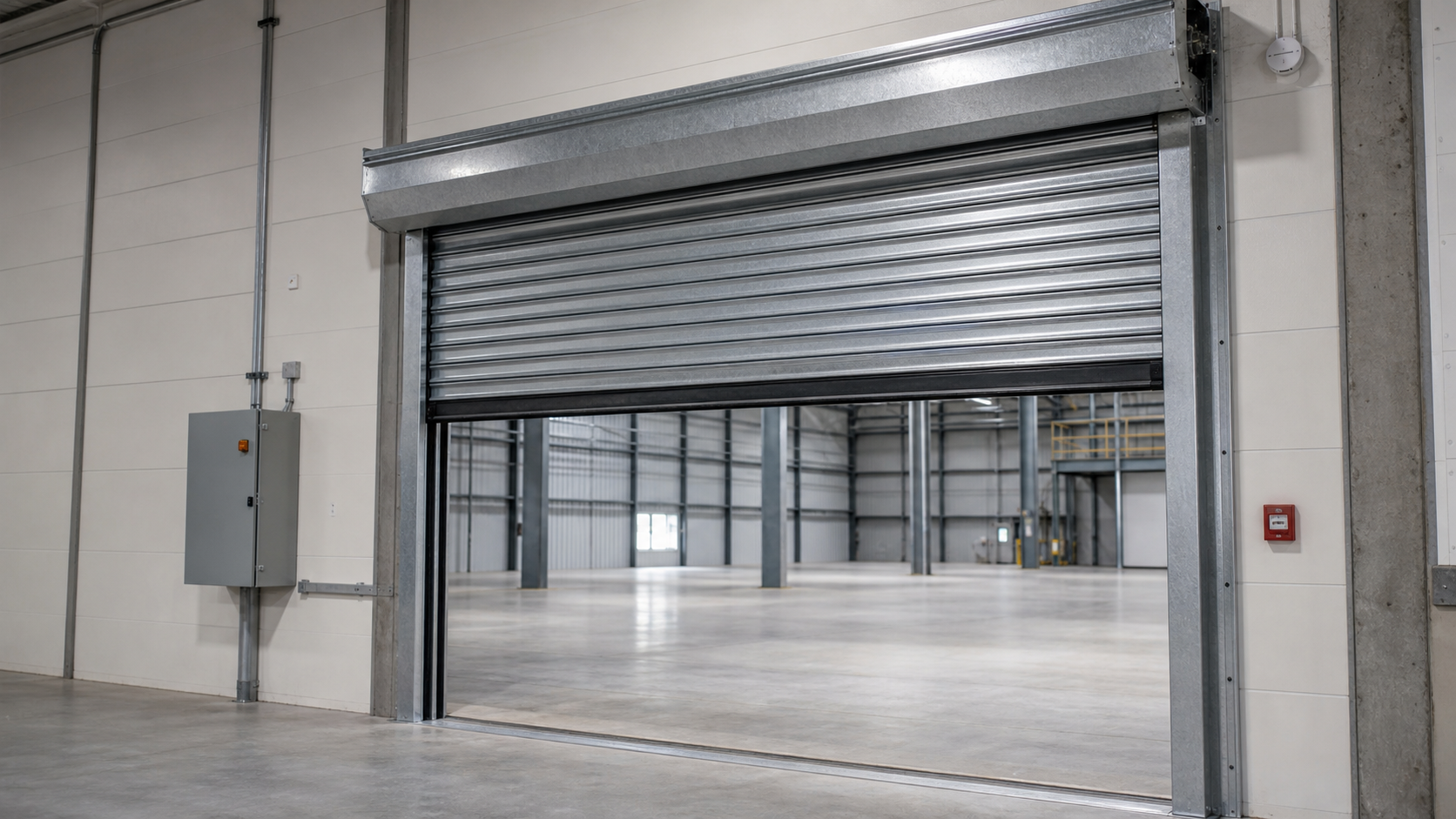
A high speed door usually opens at about 0.8 to 2.5 meters per second, depending on the door type, size, motor system, and application. Some special high speed doors can open faster, while larger or heavier doors may operate at a lower speed for safety and stability.
In most industrial facilities, a common high speed door speed is around 1.0 to 2.0 meters per second. This is much faster than a traditional rolling shutter or sectional door, which is usually designed for basic access rather than frequent traffic flow.
For general industrial access, logistics passages, cleanrooms, and production workshops, the goal is not only maximum speed. The right high speed door should balance opening speed, closing speed, safety, sealing performance, and long-term reliability.
High Speed Door Speed by Door Type
Different high speed doors have different speed ranges. The best choice depends on whether the opening is used for forklifts, workers, conveyors, cleanroom separation, cold storage, or exterior wind-resistant access.
PVC High Speed Door
A PVC high speed door commonly opens at about 1.0 to 2.0 meters per second. It is widely used in factories, warehouses, food processing areas, and logistics passages. This type of industrial high speed door is suitable for frequent daily operation and helps reduce waiting time.
Zipper High Speed Door
A zipper high speed door is often used where fast access and tight sealing are both important. It is suitable for clean areas, pharmaceutical workshops, electronics production, and temperature-controlled rooms. The zipper structure helps improve sealing and can reduce downtime after minor curtain impact.
Spiral High Speed Door
A spiral high speed door can provide fast opening with a stronger rigid panel structure. It is often used for exterior openings, high-end industrial buildings, and areas that require better security, wind resistance, or insulation. The exact speed depends on door size and configuration.
Large Industrial High Speed Door
Large high speed doors usually operate more slowly than smaller doors because the curtain or panel is heavier. For large exterior openings, stability, wind load, and safety are more important than simply reaching the highest possible speed.
To compare suitable options, visit the SCILEAD High Speed Door Manufacturer homepage or browse the High Speed Door Industry News section.
Opening Speed vs Closing Speed
When asking how fast a high speed door is, it is important to separate opening speed and closing speed. Opening speed is usually faster because it directly affects traffic efficiency. Closing speed is often slower to improve safety and reduce the risk of contact with people, forklifts, or goods.
For example, a high speed roll up door may open quickly when a forklift approaches, then close automatically after the vehicle passes through. This fast cycle reduces open time and helps control air exchange, dust, insects, humidity, and temperature loss.
In many projects, the most useful measurement is not only the maximum speed but the total cycle time. A door with stable automatic opening, safe closing, and reliable sensors can improve workflow more effectively than a door with high speed but poor control.
What Affects High Speed Door Speed?
The speed of a high speed door depends on several practical factors. Door size is one of the most important. A smaller internal door can usually move faster, while a large exterior door may need a lower speed for stability.
Motor power and control system design also affect high speed door speed. A suitable motor, frequency inverter, and control panel help the door start, stop, open, and close smoothly.
Door material is another factor. Flexible PVC curtains are lighter and suitable for fast roll-up movement. Rigid spiral doors or insulated doors may be heavier but can provide stronger security, insulation, and wind resistance.
Working environment also matters. A door used in a cleanroom, cold storage facility, logistics corridor, or windy exterior opening may require different speed settings. In some cases, sealing and safety are more important than maximum opening speed.
Why Door Speed Matters
High speed door speed matters because industrial openings are often used many times per day. A slow door can create waiting time for forklifts, workers, AGV systems, and production lines.
A fast high speed door helps improve traffic flow. In warehouses and logistics areas, this can reduce delays during loading, unloading, and material handling.
Speed also supports energy efficiency. The less time a door stays open, the less air exchange occurs between different areas. This is useful for cold storage, clean manufacturing, food processing, pharmaceutical workshops, and temperature-controlled production.
Fast opening and closing can also help reduce dust, insects, humidity, and airflow movement. For controlled environments, choosing the correct high speed door is part of maintaining stable indoor conditions.
Where Fast High Speed Doors Are Used
High speed doors are commonly used in areas where fast access, frequent operation, and environmental control are important.
- Warehouses and logistics passageways
- Food processing facilities
- Pharmaceutical workshops
- Cleanrooms and dust-free areas
- Cold storage and cold chain facilities
- Automotive factories
- Production line separation
- AGV and conveyor access points
For logistics applications, see Logistics Passageway High Speed Door Solutions. For clean production environments, visit Cleanroom High-Speed Door Series.
How to Choose the Right Door Speed
The best high speed door speed depends on real site conditions. A facility should not choose a door only because it has the highest speed rating. The door must match the opening size, traffic frequency, safety requirements, wind pressure, sealing needs, and maintenance expectations.
Before choosing a high speed door, consider these questions:
- How many times will the door open per day?
- Will forklifts, workers, conveyors, or AGV systems pass through?
- Is the door installed indoors or outdoors?
- Does the area require temperature control?
- Is dust, humidity, or insect control important?
- Is wind resistance required?
- Is safety more important than maximum speed?
For busy internal passages, a PVC high speed door or zipper high speed door is often suitable. For exterior openings that need better strength or wind resistance, a spiral high speed door or wind-resistant high speed door may be a better option.
To discuss a suitable speed range for your project, contact SCILEAD for a customized industrial high speed door solution.
Conclusion
So, how fast is a high speed door? In most industrial applications, a high speed door opens at about 0.8 to 2.5 meters per second. Some special models can be faster, while larger or heavier doors may run at a lower speed for safety and stability.
The right high speed door is not only about speed. It should improve traffic flow, reduce open time, support energy efficiency, protect the working environment, and operate safely under daily use.
For factories, warehouses, cleanrooms, cold storage facilities, and logistics areas, choosing the correct high speed door speed can improve efficiency and reduce long-term operating costs.