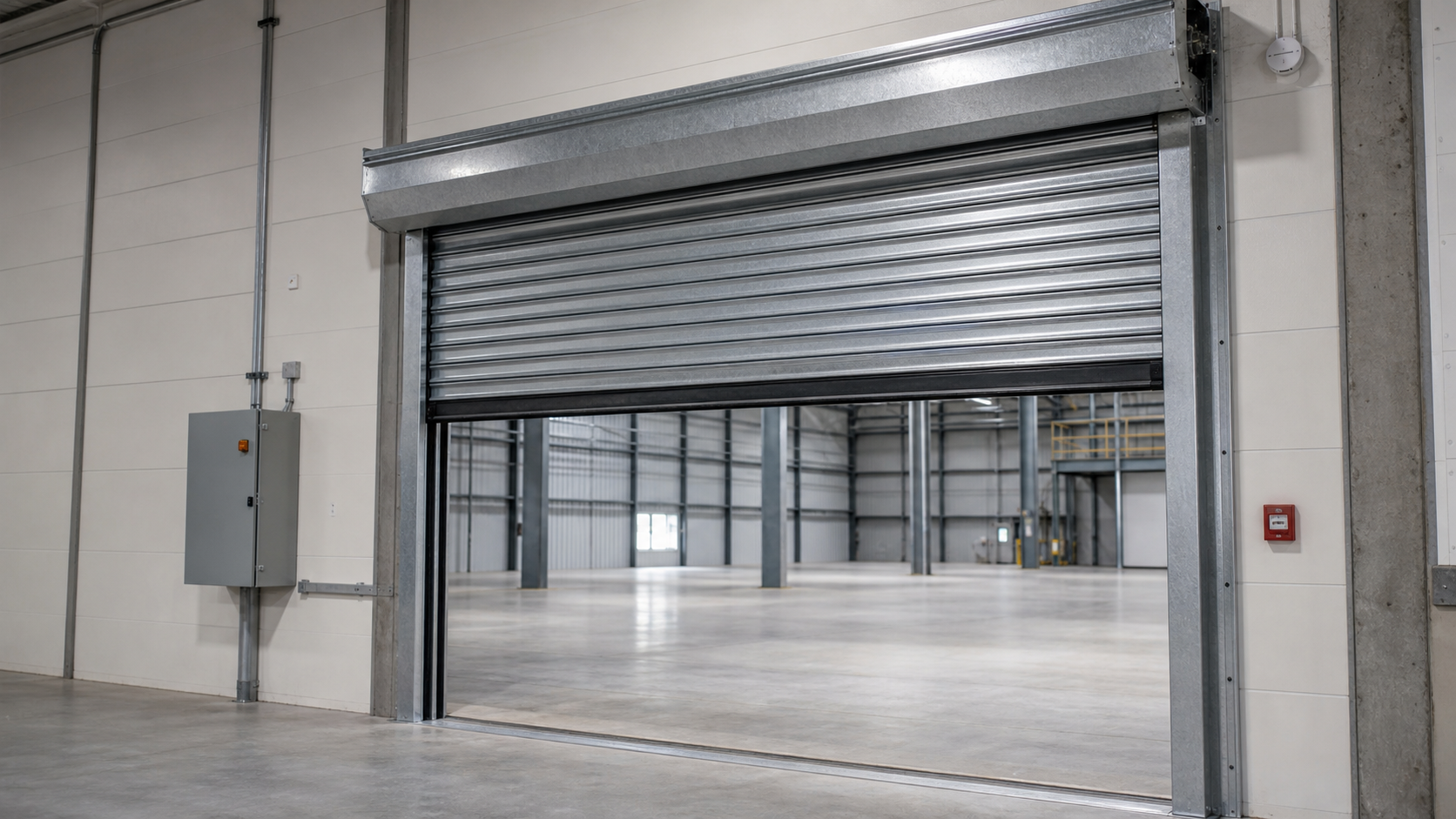
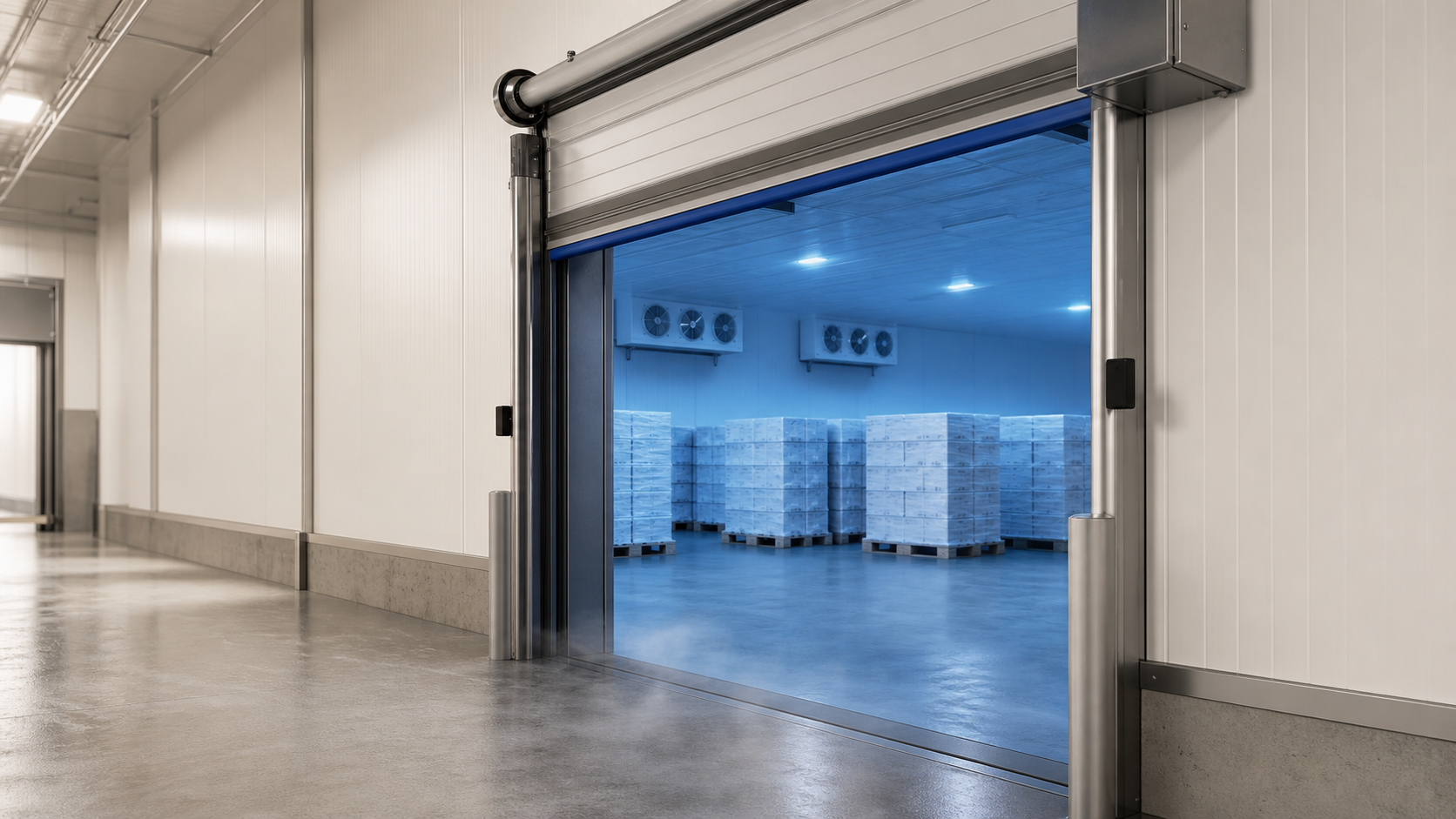
Regular high speed door maintenance helps reduce downtime, improve safety, extend service life, and keep daily operations efficient. This guide explains how to maintain a high speed door step by step for warehouses, factories, cold storage areas, cleanrooms, and industrial facilities.
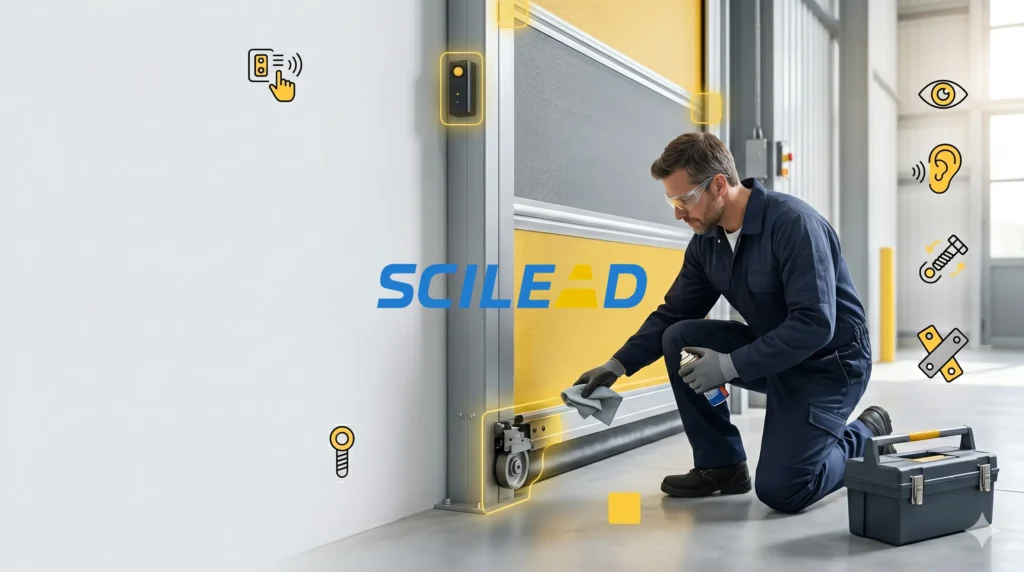
Table of Contents
- Why High Speed Door Maintenance Matters
- Recommended Maintenance Schedule
- Step 1: Perform a Visual Inspection
- Step 2: Clean the Door Curtain and Tracks
- Step 3: Check Side Guides and Door Alignment
- Step 4: Test Safety Devices
- Step 5: Inspect the Motor and Control System
- Step 6: Check Seals and Weather Protection
- Step 7: Lubricate Moving Parts
- Step 8: Run an Operating Test
- Common High Speed Door Problems
- When to Call a Professional Technician
- High Speed Door Maintenance Checklist
- Conclusion
Why High Speed Door Maintenance Matters
A high speed door is designed for frequent opening and closing in busy industrial environments. Because it operates many times per day, small issues can quickly become costly if they are ignored.
Proper high speed door maintenance helps:
- Reduce unexpected downtime
- Improve workplace safety
- Keep opening and closing speed stable
- Protect motors, sensors, and control systems
- Maintain sealing performance
- Extend the service life of the door
If your facility uses high speed doors in warehouses, cleanrooms, cold storage, or production areas, preventive maintenance should be part of your routine operation plan. You can also review related door options from the SCILEAD Product Center.
Recommended Maintenance Schedule
The right maintenance frequency depends on door type, traffic volume, working environment, and exposure to dust, moisture, temperature changes, or forklift impact.
| Maintenance Item | Suggested Frequency |
|---|---|
| Visual inspection | Daily or weekly |
| Clean curtain and tracks | Weekly or monthly |
| Test safety sensors | Weekly |
| Check side guides and alignment | Monthly |
| Inspect motor and control box | Monthly |
| Professional service inspection | Every 6 to 12 months |
High-traffic facilities should inspect high speed doors more often than low-frequency storage areas.
Step 1: Perform a Visual Inspection
Start high speed door maintenance with a simple visual check. Look for visible damage before operating the door.
Check the following parts:
- Door curtain or panel surface
- Side guides
- Bottom edge
- Sealing strips
- Fasteners and brackets
- Photo eyes or safety sensors
- Control box and cables
Watch for scratches, dents, loose screws, worn edges, abnormal gaps, or signs of impact. If the door has been hit by a forklift or pallet truck, stop using it until the door movement is checked.
Step 2: Clean the Door Curtain and Tracks
Dust, oil, packaging debris, and small particles can affect door movement. Clean the curtain and tracks regularly to keep the high speed door running smoothly.
Use a soft cloth, mild cleaner, and clean water. Avoid strong chemicals unless the door manufacturer confirms they are safe for the curtain material, seals, and surface coating.
For cleanroom or food processing environments, cleaning should follow the facility hygiene standard. If your project requires cleaner separation or contamination control, review Cleanroom High-Speed Door Series.
Step 3: Check Side Guides and Door Alignment
Side guides keep the door curtain moving in the correct path. If the guides are dirty, bent, loose, or misaligned, the door may shake, jam, or close unevenly.
Inspect both sides of the opening and check whether the curtain moves straight during operation. Tighten loose fasteners if allowed by the maintenance manual. Do not force the door curtain back into position if it is seriously misaligned.
For facilities with strong wind pressure or large openings, choosing the right door type is important. You can compare suitable solutions from the industrial high speed door product range.
Step 4: Test Safety Devices
Safety devices are essential for high speed door operation. They help protect workers, forklifts, goods, and the door itself.
Common safety devices may include:
- Photo sensors
- Safety edge
- Radar sensor
- Loop detector
- Emergency stop button
- Warning light or alarm
Test the safety system regularly. The door should stop, reverse, or respond correctly when the safety device is triggered. If any safety function fails, stop using the door and arrange service immediately.
Step 5: Inspect the Motor and Control System
The motor and control system are key parts of a high speed door. During maintenance, listen for unusual noise and check whether the door starts, stops, opens, and closes smoothly.
Inspect the control box for loose wiring, moisture, dust buildup, or warning codes. Keep the control area clean and dry. Do not open electrical components unless you are trained and authorized.
If the door speed becomes unstable or the motor overheats, professional inspection is recommended.
Step 6: Check Seals and Weather Protection
Good sealing helps reduce air exchange, dust entry, insects, and temperature loss. This is especially important for cold storage, cleanrooms, warehouses, and food production areas.
Check the bottom seal, side seals, and top sealing area. Replace worn or damaged seals when they no longer close tightly. Poor sealing can increase energy loss and reduce environmental control.
For temperature-controlled areas, insulated solutions may be more suitable. You can review related options in the SCILEAD high speed door product center.
Step 7: Lubricate Moving Parts
Some moving parts may require lubrication, depending on the door design. Always follow the manufacturer’s maintenance instructions and use the recommended lubricant.
Do not over-lubricate. Too much lubricant can attract dust and debris, which may cause wear or poor movement. Avoid applying lubricant to sensors, control parts, curtain surfaces, or areas not specified by the manufacturer.
Step 8: Run an Operating Test
After cleaning and inspection, run the high speed door through several full open-close cycles.
Check for:
- Smooth opening and closing
- Stable speed
- No abnormal vibration
- No scraping sound
- Correct sensor response
- Proper sealing after closing
If the door movement is not smooth, stop testing and check for obstruction, guide damage, curtain misalignment, or control system issues.
Common High Speed Door Problems
Regular maintenance can help prevent many common high speed door problems.
| Problem | Possible Cause |
|---|---|
| Door does not open | Power issue, control fault, sensor problem, emergency stop activated |
| Door closes unevenly | Misaligned guide, damaged curtain, loose fasteners |
| Door reverses unexpectedly | Sensor obstruction, safety edge issue, incorrect setting |
| Unusual noise | Loose parts, worn components, poor alignment |
| Poor sealing | Worn seals, damaged bottom edge, incorrect installation |
If the same problem appears repeatedly, the door may need professional adjustment or replacement parts.
When to Call a Professional Technician
Basic high speed door maintenance can be handled by trained facility staff, but some issues require a professional technician.
Call a technician if:
- The door has been hit by a vehicle
- The curtain is badly damaged
- The motor makes abnormal noise
- The control box shows repeated errors
- Safety sensors do not work correctly
- The door is unstable during operation
- Electrical components need inspection
For project support, maintenance advice, or replacement recommendations, contact SCILEAD through the Contact Us page.
High Speed Door Maintenance Checklist
Use this checklist for routine high speed door maintenance:
- Check the door curtain for damage
- Inspect side guides and alignment
- Clean tracks and remove debris
- Test photo sensors and safety edge
- Check emergency stop function
- Inspect seals and bottom edge
- Listen for abnormal motor noise
- Check control box warning codes
- Run several open-close cycles
- Record maintenance results
Keeping a maintenance record helps identify repeated problems and plan replacement parts before a failure occurs.
Conclusion
High speed door maintenance is not complicated, but it must be consistent. A regular routine should include visual inspection, cleaning, safety testing, guide checks, seal inspection, and operating tests.
For facilities with frequent traffic, cold storage, cleanrooms, logistics areas, or industrial production lines, preventive maintenance can reduce downtime and improve long-term performance.
If you are choosing a new door or replacing an old one, visit the SCILEAD homepage, explore the Product Center.