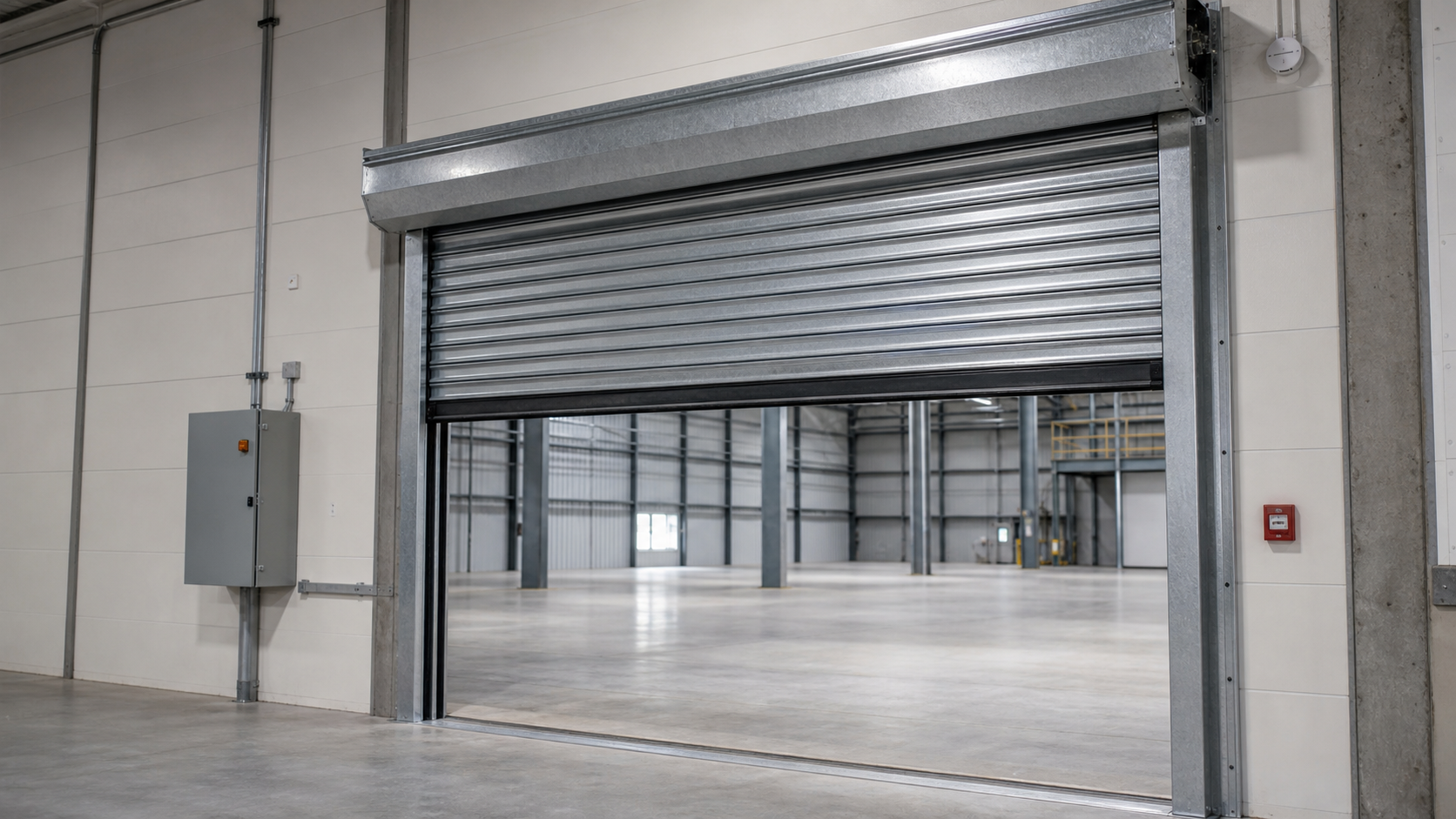
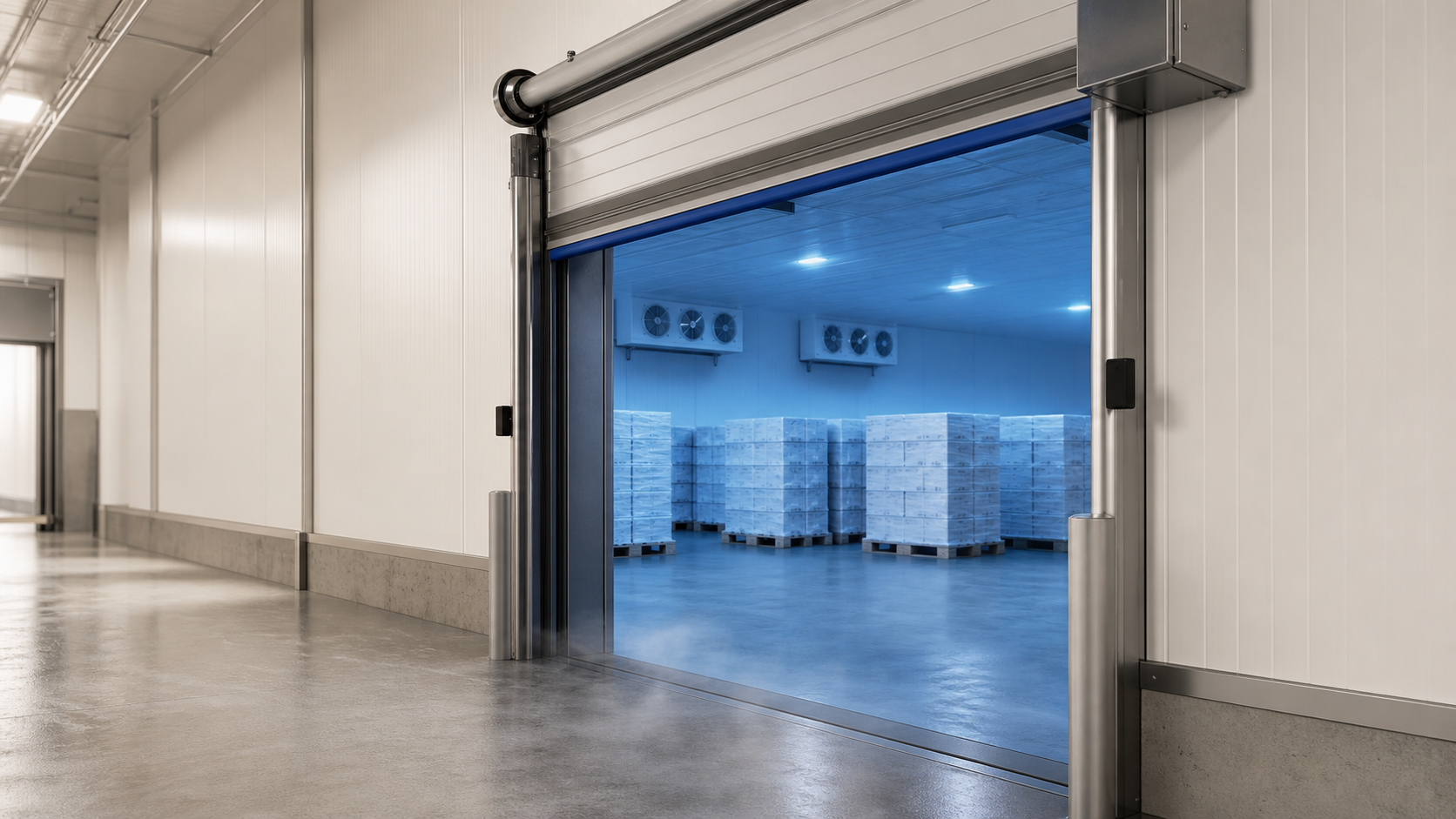
Cleanroom doors play a critical role in maintaining controlled environments by preventing contamination, ensuring airtight sealing, and supporting regulatory compliance. Whether used in pharmaceutical manufacturing, biotechnology, electronics, hospitals, or food processing, selecting the right cleanroom door directly impacts operational efficiency and product quality. This guide explains the essential cleanroom door requirements, materials, standards, and selection criteria to help you choose the best solution for your facility.
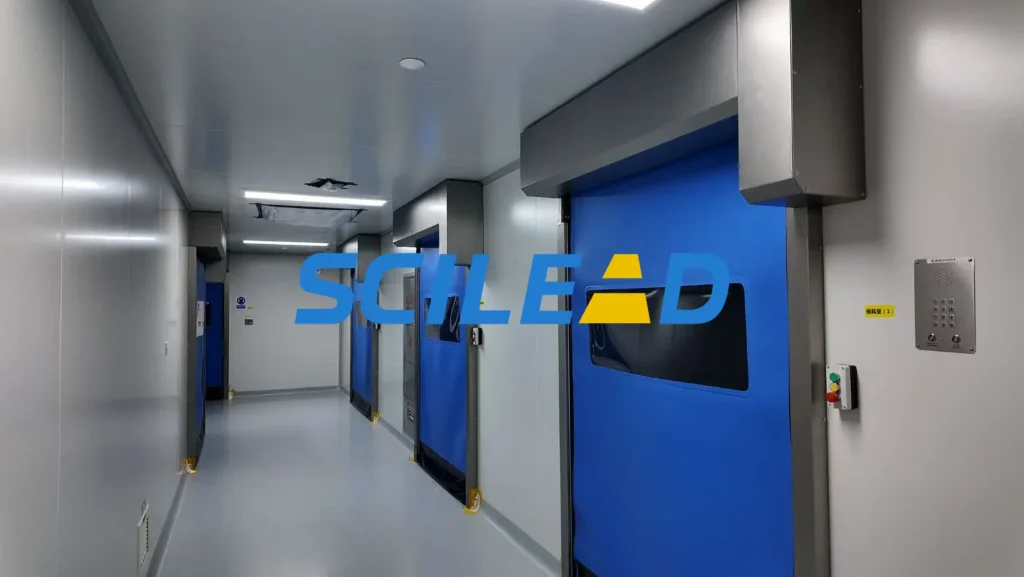
Table of Contents
- What Are Cleanroom Doors?
- Why Are Cleanroom Door Requirements Important?
- Key Cleanroom Door Requirements
- Best Materials for Cleanroom Doors
- Common Types of Cleanroom Doors
- Cleanroom Standards and Regulations
- How to Choose the Right Cleanroom Door
- Maintenance Best Practices
- Frequently Asked Questions
- Conclusion
What Are Cleanroom Doors?
A cleanroom door is a specialized door designed for controlled environments where airborne particles, temperature, humidity, and pressure must be carefully managed. Unlike conventional industrial doors, cleanroom doors feature smooth surfaces, airtight sealing systems, and materials that resist corrosion, microbial growth, and chemical cleaning agents.
Typical applications include:
- Pharmaceutical manufacturing
- Biotechnology laboratories
- Semiconductor production
- Medical device manufacturing
- Hospitals and operating rooms
- Food and beverage processing
Why Are Cleanroom Door Requirements Important?
Meeting cleanroom door requirements helps facilities maintain stable environmental conditions and comply with industry regulations.
Proper cleanroom doors help:
- Reduce airborne contamination.
- Maintain room pressure differentials.
- Improve energy efficiency.
- Support GMP and ISO compliance.
- Reduce cleaning and maintenance costs.
- Increase product quality and operational safety.
Key Cleanroom Door Requirements
1. Airtight Sealing
The door should provide an effective seal to minimize air leakage and maintain pressure differentials between cleanroom zones.
Common sealing components include:
- Continuous perimeter gaskets
- Automatic drop seals
- Compression sealing systems
2. Smooth, Non-Porous Surface
Door surfaces should be smooth and free from cracks or exposed fasteners where dust or microorganisms can accumulate.
Preferred surface characteristics include:
- Easy to clean
- Scratch resistant
- Chemical resistant
- Low particle generation
3. Corrosion Resistance
Cleanroom high speed doors are frequently exposed to disinfectants and cleaning chemicals. Materials must withstand repeated sanitation without degrading.
4. Flush Design
Flush-mounted hardware and flat door panels reduce contamination traps and simplify cleaning procedures.
5. Durability
High-cycle applications require doors that can operate reliably for hundreds of thousands of opening and closing cycles.
6. Observation Windows
Many cleanroom doors include flush-mounted tempered glass or double-glazed vision panels that allow monitoring without opening the door.
7. Fire and Safety Compliance
Depending on the facility, cleanroom doors may require fire ratings, emergency escape hardware, or access control integration.
Best Materials for Cleanroom Doors
Stainless Steel
Stainless steel is one of the most popular cleanroom door materials because it offers:
- Excellent corrosion resistance
- Long service life
- Easy cleaning
- High mechanical strength
Powder-Coated Steel
Powder-coated galvanized steel provides a cost-effective solution for many pharmaceutical and healthcare facilities.
Aluminum
Aluminum doors offer lightweight construction while maintaining corrosion resistance.
HPL Panels
High-pressure laminate (HPL) provides a smooth decorative finish suitable for certain healthcare and laboratory environments.
Common Types of Cleanroom Doors
Single Swing Cleanroom Doors
Suitable for personnel entrances and smaller cleanrooms.
Double Swing Doors
Designed for wider openings and equipment movement.
Sliding Cleanroom Doors
Sliding doors save floor space and are commonly used in pharmaceutical production areas.
Automatic Cleanroom Doors
Automatic operation minimizes human contact and improves contamination control.
If your facility also requires high-speed access while maintaining cleanroom performance, consider installing high-speed cleanroom doors that reduce air exchange and improve operational efficiency.
Cleanroom Standards and Regulations
Cleanroom door selection should comply with relevant international standards.
ISO 14644
The ISO 14644 series defines cleanroom classifications based on airborne particle concentration.
Good Manufacturing Practice (GMP)
Pharmaceutical facilities typically follow GMP guidelines, requiring cleanable surfaces and contamination control.
FDA Requirements
Facilities manufacturing medical products must meet applicable FDA regulations regarding hygiene and contamination prevention.
EU GMP Annex 1
European pharmaceutical manufacturers should also consider Annex 1 requirements for sterile manufacturing environments.
How to Choose the Right Cleanroom Door
When selecting a cleanroom door, evaluate the following factors:
- Cleanroom classification
- Opening frequency
- Required air pressure differential
- Chemical exposure
- Door size
- Automation requirements
- Fire rating requirements
- Maintenance costs
Working with an experienced cleanroom door manufacturer helps ensure the door system matches your operational and regulatory requirements.
Maintenance Best Practices
Routine maintenance extends door life and maintains cleanroom performance.
- Inspect door seals regularly.
- Replace damaged gaskets promptly.
- Clean surfaces using approved disinfectants.
- Lubricate moving components according to manufacturer recommendations.
- Verify automatic door sensors and safety devices.
- Inspect vision panels for cracks or seal failure.
Frequently Asked Questions
What is the best material for cleanroom doors?
Stainless steel is generally considered the best option due to its corrosion resistance, durability, and ease of cleaning.
Do cleanroom doors need airtight seals?
Yes. Airtight seals help maintain pressure differentials and prevent contamination between controlled spaces.
Can cleanroom doors be automatic?
Yes. Automatic cleanroom doors improve hygiene, reduce human contact, and support high-traffic environments.
Which industries use cleanroom doors?
Industries include pharmaceuticals, biotechnology, hospitals, electronics manufacturing, aerospace, and food processing.
How long do cleanroom doors last?
With proper maintenance, high-quality cleanroom doors can provide reliable performance for many years, even in demanding industrial environments.
Conclusion
Understanding cleanroom door requirements is essential for maintaining contamination control, regulatory compliance, and operational efficiency. Key factors such as airtight sealing, smooth surfaces, corrosion-resistant materials, and reliable operation all contribute to cleanroom performance. Selecting the appropriate cleanroom door based on your industry’s requirements can improve productivity while reducing maintenance costs.
Scilead Door provides customized cleanroom door solutions, including swing doors, sliding doors, and high-speed cleanroom doors designed for pharmaceutical, healthcare, electronics, and other controlled environments. Choosing the right cleanroom door ensures long-term reliability and supports your cleanroom’s overall performance.