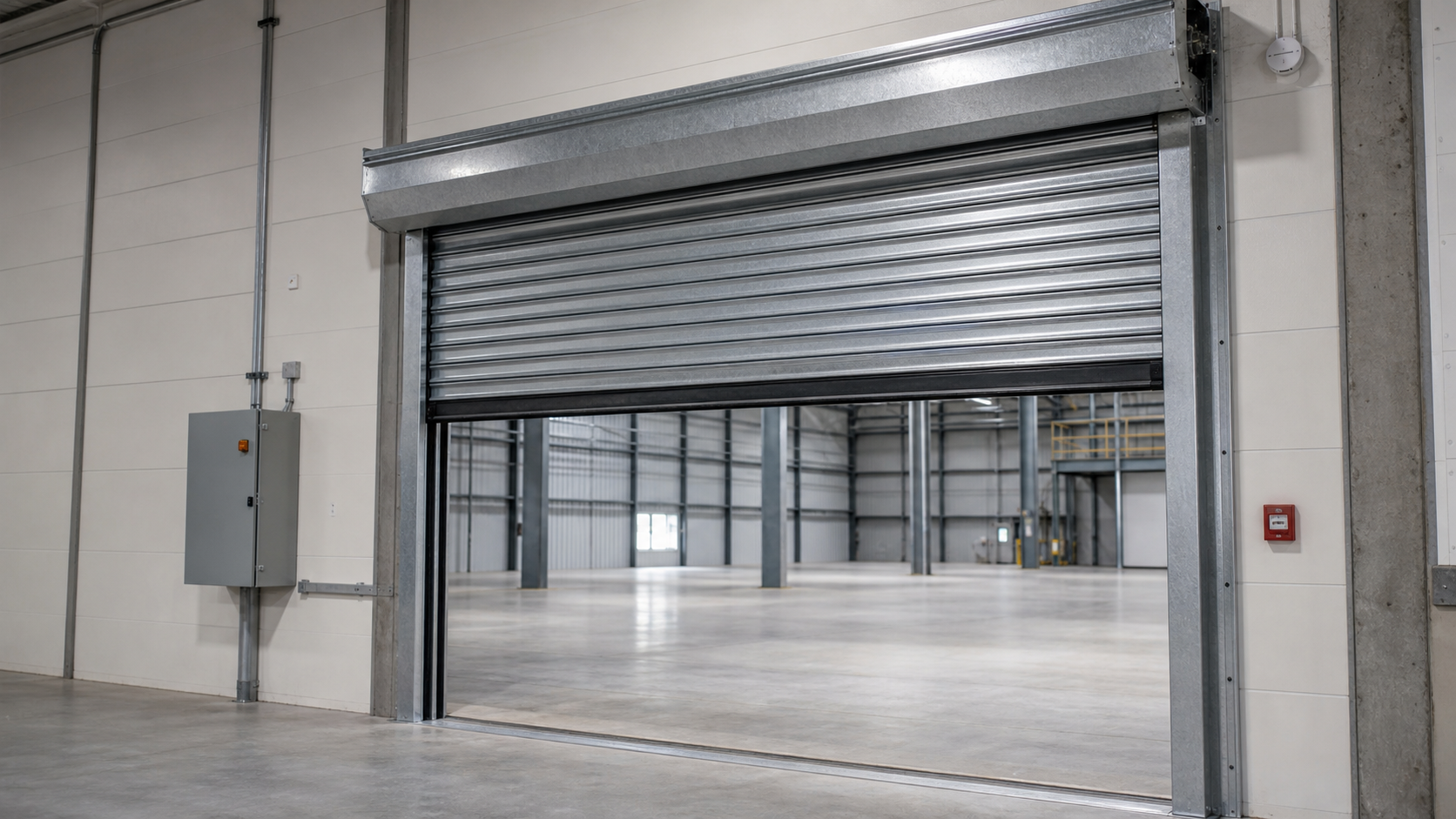
Choosing the right door for a refrigerated warehouse is essential for maintaining temperature stability, reducing energy costs, improving workflow, and protecting stored goods. Whether you operate a cold storage warehouse, freezer room, food processing plant, or pharmaceutical facility, selecting the appropriate refrigerated warehouse door can significantly improve operational efficiency and long-term savings. This guide explains the key factors to consider when choosing a door for refrigerated warehouses.

Table of Contents
- Why Choosing the Right Refrigerated Warehouse Door Matters
- Types of Doors for Refrigerated Warehouses
- Key Factors to Consider
- Why High-Speed Doors Are a Smart Choice
- Recommended Door Solutions by Temperature Zone
- Maintenance Tips
- How to Choose the Right Supplier
- Frequently Asked Questions
- Conclusion
Why Choosing the Right Refrigerated Warehouse Door Matters
A refrigerated warehouse door is more than an entry point. It serves as a critical barrier that minimizes temperature loss, prevents moisture infiltration, and supports efficient logistics.
The right door can help:
- Reduce energy consumption by minimizing cold air leakage.
- Maintain consistent storage temperatures.
- Improve forklift traffic efficiency.
- Reduce frost and ice formation.
- Lower long-term maintenance costs.
- Enhance workplace safety.
Businesses that frequently open and close doors benefit the most from high-performance refrigerated warehouse doors.
Types of Doors for Refrigerated Warehouses
1. High-Speed Roll-Up Doors
High-speed doors open and close rapidly, reducing the amount of cold air escaping during operation. They are ideal for areas with heavy forklift traffic.
Benefits include:
- Fast opening and closing speeds
- Lower energy loss
- Improved workflow
- Reduced condensation
2. Insulated Sliding Doors
Sliding cold storage doors provide excellent insulation and are commonly installed in freezer rooms with low traffic frequency.
They offer:
- Excellent thermal insulation
- Reliable sealing performance
- Long service life
3. Swing Cold Room Doors
Insulated swing doors are suitable for walk-in coolers and personnel access areas where traffic is relatively light.
Key Factors to Consider
1. Temperature Requirements
The operating temperature determines the insulation level required.
- Cold storage: 0°C to 8°C
- Chiller rooms: -5°C to 0°C
- Freezer warehouses: -18°C or below
Lower temperatures require thicker insulated door panels and stronger sealing systems.
2. Opening Frequency
If the door opens hundreds of times each day, a high-speed insulated door provides greater energy savings than conventional doors.
3. Thermal Insulation Performance
Look for doors with:
- High-density insulated panels
- Durable sealing strips
- Minimal air leakage
- Thermal break design
4. Door Size
The door dimensions should match forklift traffic, pallet size, and warehouse layout.
5. Safety Features
Modern refrigerated warehouse doors should include:
- Photoelectric safety sensors
- Bottom safety edge
- Emergency manual opening
- Obstacle detection
6. Moisture and Frost Control
For freezer applications, heated door frames or anti-condensation systems help prevent frost accumulation and ensure smooth operation.
Why High-Speed Doors Are a Smart Choice
High-speed doors have become one of the preferred solutions for refrigerated warehouses because they minimize temperature fluctuations.
Main advantages include:
- Opening speeds up to 2.0 m/s
- Reduced compressor workload
- Improved energy efficiency
- Lower maintenance costs
- Enhanced logistics efficiency
For facilities with continuous forklift traffic, installing a high-speed refrigerated warehouse door can noticeably reduce operating expenses.
Related reading:
Recommended Door Solutions by Temperature Zone
| Application | Recommended Door |
|---|---|
| Food Cold Storage | High-Speed Insulated Door |
| Frozen Warehouse | Sliding Cold Storage Door |
| Pharmaceutical Storage | High-Speed Clean Room Door |
| Logistics Distribution Center | High-Speed Roll-Up Door |
| Processing Workshop | Insulated High-Speed Door |
Maintenance Tips
Regular maintenance extends the service life of refrigerated warehouse doors.
- Inspect sealing strips regularly.
- Keep guide rails clean.
- Test safety sensors periodically.
- Lubricate moving components according to manufacturer recommendations.
- Check insulation performance annually.
How to Choose the Right Supplier
When selecting a refrigerated warehouse door supplier, consider the following:
- Experience in industrial door manufacturing.
- Customization capabilities.
- International certifications.
- Reliable technical support.
- Availability of spare parts.
- Warranty coverage.
Working with an experienced manufacturer ensures better product quality and long-term operational reliability.
Frequently Asked Questions
What is the best door for a refrigerated warehouse?
For facilities with frequent traffic, high-speed insulated doors provide the best balance of energy efficiency, speed, and durability.
How do refrigerated warehouse doors reduce energy costs?
Fast opening and closing speeds reduce cold air loss, allowing refrigeration systems to operate more efficiently.
Can high-speed doors be used in freezer rooms?
Yes. Specialized freezer high-speed doors are designed with insulation and anti-frost systems for low-temperature environments.
How long does a refrigerated warehouse door last?
With proper maintenance, a high-quality refrigerated warehouse door can provide reliable service for many years, depending on operating conditions and usage frequency.
Conclusion
Selecting the right refrigerated warehouse door requires evaluating temperature requirements, traffic frequency, insulation performance, safety features, and maintenance needs. For warehouses with high daily traffic, high-speed insulated doors are often the most energy-efficient and productive solution. Choosing a reliable manufacturer with experience in industrial door systems helps ensure long-term performance and lower operating costs.