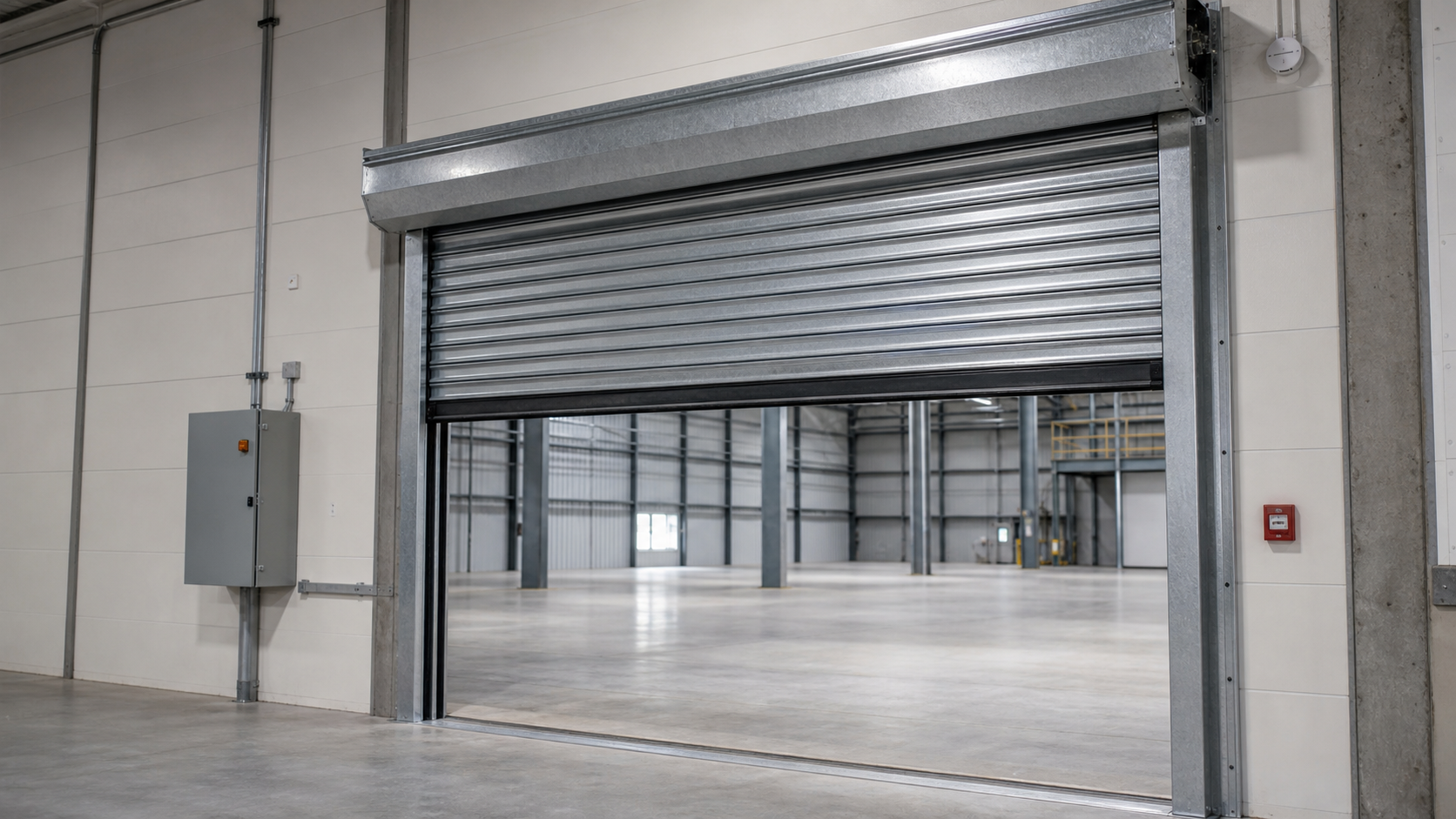
An insulated high speed door is a fast-operating industrial door designed to improve energy efficiency, maintain indoor temperatures, reduce air exchange, and streamline logistics. It combines the speed of a high speed door with insulated curtain or panel construction, making it ideal for facilities that require climate control, cleanliness, and frequent traffic.
Whether used in cold storage, food processing, pharmaceutical manufacturing, or logistics centers, insulated high speed doors help reduce operating costs while improving productivity and workplace safety.
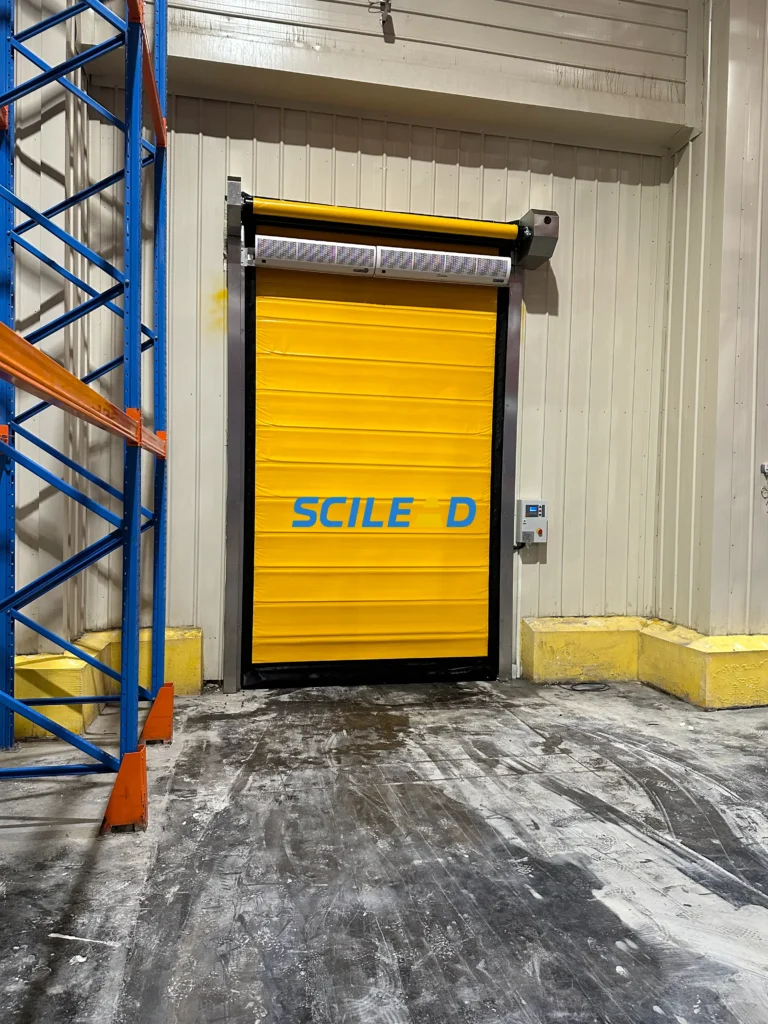
Table of Contents
- What Is an Insulated High Speed Door?
- How Does an Insulated High Speed Door Work?
- Key Features
- Benefits of Insulated High Speed Doors
- Common Applications
- Common Insulation Materials
- How to Choose the Right Insulated High Speed Door
- Maintenance Tips
- Frequently Asked Questions
- Conclusion
What Is an Insulated High Speed Door?
An insulated high speed door is an industrial door engineered to open and close rapidly while minimizing heat transfer between indoor and outdoor environments. Unlike standard high speed doors, insulated models incorporate thermal insulation within the curtain or door panels to improve energy efficiency.
These doors are commonly installed in facilities where temperature stability is important. Their rapid operating speed reduces the amount of conditioned air that escapes during each door cycle, helping maintain consistent indoor climates.
Learn more about different high speed door solutions available for industrial facilities.
How Does an Insulated High Speed Door Work?
An insulated high speed door uses an electric motor and intelligent control system to achieve opening speeds that are significantly faster than conventional industrial doors.
Typical operating process:
- Vehicle or personnel approach triggers sensors.
- The door opens rapidly.
- Traffic passes through efficiently.
- The door automatically closes after a preset delay.
- The insulated structure minimizes heat loss throughout the process.
Many systems also integrate safety photocells, motion sensors, radar detection, and emergency stop functions.
Key Features
Modern insulated high speed doors typically include:
- High opening and closing speed
- Thermally insulated curtain or panels
- Energy-efficient sealing system
- Wind-resistant construction
- Automatic control system
- Safety sensors and anti-collision protection
- Low maintenance requirements
- Long service life under high-cycle operation
For environments with demanding operating conditions, explore industrial industrial door options designed for heavy-duty use.
Benefits of Insulated High Speed Doors
1. Improved Energy Efficiency
The insulated construction reduces heat transfer and minimizes energy loss during daily operation, helping lower heating and cooling costs.
2. Better Temperature Control
Fast opening speeds combined with thermal insulation help maintain stable indoor temperatures, making these doors ideal for refrigerated warehouses and climate-controlled facilities.
3. Increased Productivity
Rapid door cycles reduce waiting time for forklifts and employees, improving workflow efficiency in busy logistics operations.
4. Reduced Air Infiltration
Quick closing minimizes the entry of outside air, dust, humidity, insects, and contaminants.
5. Enhanced Workplace Safety
Modern insulated high speed doors include multiple safety devices that help prevent accidents during operation.
6. Lower Maintenance Costs
Designed for frequent daily cycles, these doors typically require less maintenance than traditional industrial doors.
Common Applications
Insulated high speed doors are widely used in:
- Cold storage facilities
- Food processing plants
- Pharmaceutical manufacturing
- Logistics and distribution centers
- Automotive factories
- Chemical plants
- Clean rooms
- Manufacturing workshops
Facilities requiring strict temperature management often combine insulated high speed doors with specialized cold storage high speed doors for maximum efficiency.
Common Insulation Materials
Different manufacturers use various insulation materials depending on application requirements.
| Material | Main Advantages |
|---|---|
| Polyurethane Foam | Excellent thermal insulation and lightweight construction |
| PVC Composite Curtain | Flexible, durable, and weather resistant |
| Double-Layer Fabric | Improved insulation with reduced air leakage |
| Aluminum Panels with Thermal Break | High strength and good thermal performance |
How to Choose the Right Insulated High Speed Door
Before purchasing an insulated high speed door, consider the following factors:
- Operating temperature range
- Door opening dimensions
- Traffic frequency
- Wind load requirements
- Insulation performance
- Safety features
- Automation compatibility
- Maintenance support
Selecting the correct door ensures optimal energy savings, operational efficiency, and long-term reliability.
Maintenance Tips
Routine maintenance helps maximize the service life of an insulated high speed door.
- Inspect the curtain or panels regularly.
- Clean guide tracks and seals.
- Check sensors and safety devices.
- Lubricate moving components when recommended.
- Inspect electrical controls periodically.
- Schedule professional servicing for high-cycle applications.
Preventive maintenance reduces downtime and maintains consistent door performance.
Frequently Asked Questions
Are insulated high speed doors energy efficient?
Yes. Their insulated construction and rapid operating speed significantly reduce heat loss and air exchange, helping lower overall energy consumption.
Can insulated high speed doors be used in cold storage?
Yes. Many insulated high speed doors are specifically designed for refrigerated warehouses and freezer environments where temperature control is critical.
How fast do insulated high speed doors operate?
Depending on the model, opening speeds typically range from approximately 0.8 to 2.5 meters per second.
What industries use insulated high speed doors?
Food processing, pharmaceuticals, logistics, cold chain storage, manufacturing, automotive, clean rooms, and chemical industries commonly install insulated high speed doors.
How long do insulated high speed doors last?
With proper maintenance, a high-quality insulated high speed door can provide reliable operation for many years, even under frequent daily use.
Conclusion
An insulated high speed door offers an effective combination of rapid operation, thermal insulation, and operational efficiency. By reducing energy loss, maintaining indoor temperatures, and supporting high-traffic environments, these doors provide long-term value for industrial and commercial facilities.
If your business requires reliable climate control, improved productivity, and lower operating costs, choosing the right insulated high speed door can be a worthwhile investment. Explore the complete range of solutions at Scilead Door to find the most suitable option for your application.